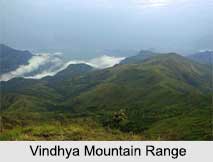
The Vindhya Mountain Range is a perfect place for adventure
seekers and cultural enthusiasts, offering a variety of activities that
showcase its natural beauty and rich heritage. The Vindhya Range features
numerous trekking trails that meander through lush forests, valleys, and
picturesque waterfalls. Popular destinations like Panna National Park and
Satpura Tiger Reserve provide stunning vistas and a chance to observe the
region’s diverse flora and fauna, making them ideal for hiking enthusiasts.
Nature lovers can explore the Vindhya Range’s rich
biodiversity through wildlife safaris. Parks such as Panna National Park, known
for its Bengal tigers, leopards, and deer, and Satpura Tiger Reserve, home to
sloth bears, Indian bison, and wild dogs, offer unforgettable opportunities to
witness exotic species in their natural habitat.
For rock climbing enthusiasts, the Vindhya Range offers an
array of natural rock formations that promise adventure and challenge. The
Bhimbetka Caves, a UNESCO World Heritage Site, attract climbers with their
intricate rock formations and breathtaking views, blending adventure with a
touch of history.
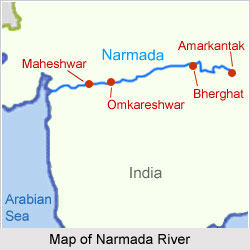
The region’s rivers, including the Narmada and Son, provide
thrilling opportunities for river rafting and water sports. The Narmada River,
in particular, is famous for its scenic beauty and challenging rapids, offering
adventure seekers an exhilarating experience.
Camping in the Vindhya Range allows visitors to immerse
themselves in its tranquil beauty. Scenic spots in Pachmarhi and Kanha National Park
offer a serene backdrop for camping amidst dense forests and star-lit skies,
creating unforgettable memories.
The Vindhya Range is steeped in history and culture,
boasting ancient temples, monasteries, and pilgrimage sites. Exploring these
landmarks provides insight into the region’s rich traditions and the vibrant
heritage of its local communities.
The Vindhya Range holds significant importance in India,
serving as a natural and cultural divide between North and South India. This
region is characterized by its rich diversity of landscapes, ranging from
scrublands to dense forests. Renowned as one of India's seven sacred mountain
ranges, it demarcates the Deccan plains in the south from the Indo-Gangetic
plains in the north. While smaller and less rugged compared to other mountain
ranges, the Vindhyas play a vital ecological and geographical role.
The range's mineral wealth supports a thriving mining
industry, and its varied ecosystems are home to a wide array of flora and
fauna. The Vindhya Range is also notable for its sandstone deposits,
historically used in constructing significant architectural landmarks, such as
the Buddhist stupas at Sanchi and the temples of Khajuraho. The Vindhyas also influences
local weather patterns by obstructing winds, contributing to harsher climatic
conditions in certain areas.