
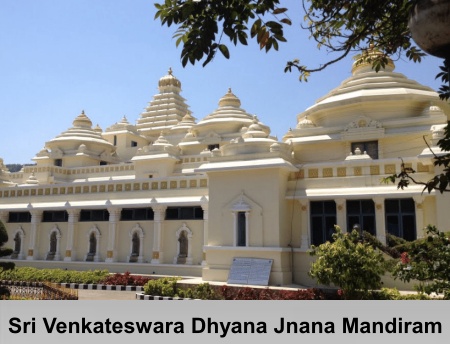
Sri Venkateswara Dhyana Jnana Mandiram, popularly known as
the TTD Museum or Tirumala Tirupati Devasthanam Museum, is situated in Tirupati, Andhra Pradesh.
Established in 1980, the museum
began as a Hall of Antiques housed in the historic Thousand Pillar Mandapam
opposite the main shrine at Tirumala. Over time, it was relocated to a spacious
1.25 lakh square foot building opposite the Vaikuntham Queue Complex, set
amidst beautifully landscaped gardens that provide a serene and welcoming
environment for visiting pilgrims.
Sri Venkateswara Dhyana Jnana Mandiram/ TTD Museum
Sri Venkateswara Dhyana Jnana Mandiram, popularly known as the S.V. Museum, is a prominent cultural institution in Tirumala dedicated to preserving the region's religious and artistic heritage. Its extensive collections of sculptures, inscriptions, paintings, ritual objects, and historical artifacts provide visitors with valuable insights into the traditions, history, and legacy of Tirumala.
Introduction
Architecture and Sections of S.V. Museum
 S.V. Museum places special emphasis on the origins and
development of Vaishnavism in southern India, highlighting the significant
contributions of the Alwars,
the revered Tamil
poet-saints whose devotional hymns influenced the Vaishnava tradition.
In recognition of their enduring influence, the museum's front porch is adorned
on both sides with finely carved stone images of the Alwars, reflecting their
prominent place in the religious and cultural history of Tirumala.
S.V. Museum places special emphasis on the origins and
development of Vaishnavism in southern India, highlighting the significant
contributions of the Alwars,
the revered Tamil
poet-saints whose devotional hymns influenced the Vaishnava tradition.
In recognition of their enduring influence, the museum's front porch is adorned
on both sides with finely carved stone images of the Alwars, reflecting their
prominent place in the religious and cultural history of Tirumala.
S.V. Museum is organized into two principal sections, designated as Sections A and B, each presenting distinct aspects of India's temple traditions and cultural heritage. Section A is devoted to the study of temple architecture, offering a comprehensive overview of the process of temple construction, from the selection of an appropriate site to the methods employed in erecting the sacred structure.
The exhibits in this section illustrate the traditional concept of the temple as a representation of the Cosmic Being, emphasizing how its architecture, iconography, rituals, and modes of worship reflect profound philosophical ideas about the relationship between humanity and the Cosmic Consciousness. Through a series of detailed miniature models, the gallery showcases the principal architectural styles of Indian temple design, including the Nagara, Vesara, and Dravida traditions, as well as the diverse forms of pillars, prakaras (enclosure walls), steps, and other structural elements.
Section A also explores the principles of iconometry, the traditional science of proportion and measurement applied to sacred icons and temple architecture. These exhibits provide valuable insights into the technical precision, artistic conventions, and engineering principles that govern the design and construction of temple structures and religious sculptures, highlighting the sophistication of India's architectural and sculptural heritage.
Section B of the S.V. Museum is dedicated to the rich artistic, ritualistic, and cultural traditions associated with Vaishnavism and the Sri Venkateswara Temple. The section features an impressive collection of Srivari Vahanams, the ceremonial mounts of Lord Vishnu used during the annual Brahmotsavams, alongside exhibits of intricate woodcarvings, traditional musical instruments, and Kalamkari textiles that exemplify India's diverse artistic heritage.
The section also highlights the 108 Divya Desams (sacred pilgrimage sites revered in the Vaishnava tradition) and presents the mudras (symbolic hand gestures) of Bharatanatyam, one of India's classical dance forms, illustrating their cultural and devotional significance. Together, these displays offer visitors a comprehensive understanding of the artistic expressions that have evolved alongside the region's religious traditions.
A dedicated Rituals Gallery explores the importance of Samskaras,
the traditional rites and ritual obligations observed in Hindu practice, while
also examining the relationship between the Tirumala Temple and the Vedic
altar. Complementing these exhibits is a noteworthy collection of ritual
vessels used in Agama traditions, providing valuable insights into the
ceremonial practices and liturgical heritage that continue to shape temple
worship.
Collections at S.V. Museum
The S.V. Museum stands as a distinguished symbol of the traditions of Tirumala, Vaishnavism, and Hindu culture. It preserves a remarkable collection of more than 6,000 artifacts of historical significance, spanning from ancient times to the present day. Its extensive collection includes stone sculptures, intricate woodcarvings, bronze artifacts, paintings, textiles, ivory objects, copper plate inscriptions, traditional arms, musical instruments, and historical photographs. Together, these exhibits offer visitors a comprehensive insight into the artistic, historical, and spiritual legacy associated with Tirumala and its temple traditions.
The museum's exhibits are thoughtfully organized into ten
thematic sections, covering a wide range of subjects from archaeology and
heritage to contemporary cultural artifacts. Through its diverse collections,
the museum offers visitors a comprehensive understanding of the historical,
artistic, and spiritual legacy of Tirumala and its enduring cultural
traditions.
Historical Significance of S.V. Museum
Sri Venkateswara Temple in Tirumala, Andhra Pradesh, has long served as a repository of the region's rich cultural and religious heritage. Over the centuries, it has attracted the patronage of kings, nobles, poets, sculptors, dancers, and musicians, all of whom have contributed to the enrichment of the temple's artistic and spiritual legacy. The temple preserves a wealth of valuable antiquities that provide art historians with important insights into the evolution and development of temple art and traditions.
 Throughout history, the Sri Venkateswara
Temple at Tirumala has received the patronage and reverence of several
prominent dynasties that ruled the southern peninsula of India. Successive
generations of rulers expressed their devotion to Lord Venkateswara through
offerings, endowments, and sustained support for the temple's religious and
cultural activities. Among these were the Pallavas of Kanchipuram, the Cholas
of Thanjavur, the Pandyas of Madurai, the rulers of the Vijayanagara Empire at
Hampi, and numerous local chieftains. Their collective patronage not only
enhanced the temple's prestige but also contributed significantly to the
preservation and flourishing of its spiritual, architectural, and cultural
traditions.
Throughout history, the Sri Venkateswara
Temple at Tirumala has received the patronage and reverence of several
prominent dynasties that ruled the southern peninsula of India. Successive
generations of rulers expressed their devotion to Lord Venkateswara through
offerings, endowments, and sustained support for the temple's religious and
cultural activities. Among these were the Pallavas of Kanchipuram, the Cholas
of Thanjavur, the Pandyas of Madurai, the rulers of the Vijayanagara Empire at
Hampi, and numerous local chieftains. Their collective patronage not only
enhanced the temple's prestige but also contributed significantly to the
preservation and flourishing of its spiritual, architectural, and cultural
traditions.
Among its most distinguished patrons was Emperor Krishnadevaraya of the Vijayanagara Empire, who visited Tirumala on seven occasions during the 16th century CE. Renowned for his devotion, he presented the temple with numerous valuable ornaments crafted from precious jewels, diamonds, emeralds, and pearls. The S.V. Museum also houses the Dhupa-Ganta, a ceremonial bell donated by Emperor Krishnadevaraya to a priest at Tirumala, serving as a lasting piece of his patronage and enduring contribution to the temple's heritage.
Galleries at S.V. Museum
The S.V. Museum features a series of thematic galleries that showcase its extensive collection of acquisitions, donations, and offerings preserved from the distant past. Each gallery reflects a distinct aspect of Tirumala's rich cultural, artistic, and religious heritage.
Vahanams Gallery: Among the notable exhibits is the Vahanams Gallery, which displays an impressive collection of Srivari Vahanams used during the annual Brahmotsavams festival. The museum also preserves the original copper plates containing the compositions of the saint-poet Annamacharya, offering visitors a rare glimpse into one of South India's most significant literary and devotional traditions. Another prized exhibit is the Varahaswamy copper inscription, an invaluable historical artifact that stands as one of Tirumala's most treasured possessions, providing important evidence of the region's religious and cultural legacy.
Stone Gallery: The Stone Gallery of the S.V. Museum houses an exceptional collection of more than 80 stone sculptures recovered from various locations across the region. Dating from the 8th century CE to the 19th century CE, these sculptures represent a wide span of artistic and religious history. The majority of the exhibits illustrate the evolution and spread of Vaishnavism in the region, offering valuable insights into its iconography, devotional practices, and artistic traditions. Collectively, the sculptures serve as important historical and cultural records, highlighting the enduring influence of Vaishnavism on the region's religious and artistic heritage.
Music Gallery: The Musical Instruments Gallery preserves an impressive collection of traditional musical instruments from bygone eras. These artifacts reflect the rich musical heritage and cultural traditions associated with the region, offering visitors valuable insights into the evolution of musical practices over time. Through its carefully curated collection, the gallery highlights the craftsmanship, diversity, and historical significance of instruments that once played an integral role in religious ceremonies, cultural performances, and everyday life.
Picture Gallery: The Picture Gallery, located on the third floor of the S.V. Museum, presents a remarkable collection of rare images that chronicle the history of the Sri Venkateswara Temple and its enduring traditions. The gallery features visual representations of the temple's sacred ornaments, along with contemporary artworks portraying Lord Srinivasa and the revered landscape of Tirumala. Together, these exhibits provide visitors with a rich visual narrative of the temple's historical, artistic, and devotional heritage, enhancing their understanding of its cultural and spiritual significance.
Armour Gallery: The Armory Section showcases a diverse collection of ancient weapons that reflect the military traditions of the medieval and colonial periods. The exhibits include swords, shields, battle axes, firearms, and other weaponry that were used or possessed by rulers of the time. These artifacts offer valuable insights into the craftsmanship, warfare, and political history of the region, while illustrating the evolution of arms and armor across different historical eras.
Bronze Gallery: The Bronze Gallery houses an extensive collection of centuries-old bronze artifacts, including idols, nutcrackers, utensils, and other objects of historical significance. Complementing these exhibits are large iron bells, massive pulleys once used in the construction of the temple, and traditional cauldrons, all of which illustrate the engineering skills and material culture associated with the temple's history.
Outer Gallery: The museum also preserves an
exceptional collection of gold and silver coins that were received through the
temple's Hundi offerings. These coins, dating from the Roman Empire to the British colonial period,
reflect the temple's long-standing prominence as a center of pilgrimage and
devotion. Another notable feature of the museum is its exhibition of estampages
of the temple's inscriptions. The Sri Venkateswara Temple is renowned for the
numerous inscriptions engraved on its walls, and more than one thousand of
these, documenting approximately 1,500 years of the temple's history, are
displayed in the museum's outer gallery.
Facilities at the S.V. Museum
Beyond its galleries, the museum offers visitors dedicated meditation halls located on its rooftop, where pilgrims can experience a peaceful atmosphere conducive to reflection and spiritual contemplation. To enrich the visitor experience, guided lectures are also conducted, providing detailed interpretations of the museum's collections and helping visitors gain a deeper appreciation of the historical and cultural significance of its artifacts.
The museum further serves as an important center for
research and learning through its well-equipped library, which
houses an extensive collection of books in Telugu, English,
Tamil, Kannada, and Hindi. Covering
subjects such as religion, history,
cultural heritage, temple arts, and architecture,
the library supports both pilgrims seeking knowledge and scholars engaged in
research on the history and traditions of Tirumala. In addition, the museum's
auditorium, Harini, hosts educational programs, documentaries, and films
focusing on Tirumala and its rich heritage, offering visitors engaging
audiovisual presentations throughout the day.
Recently updated articles in Museums in India

Jaswant Garh Memorial
Jaswant Garh Memorial, located near Tawang in Arunachal Pradesh, commemorates the bravery of Rifleman Jaswant Singh Rawat, a hero of the 1962 Sino-Ind...
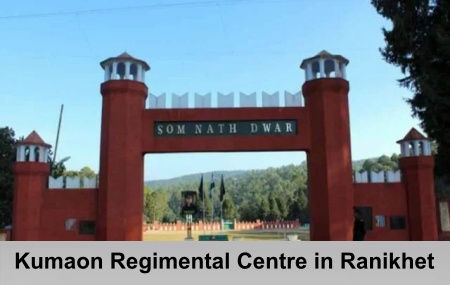
War Museum in Ranikhet
The War Museum at the Kumaon Regimental Centre in Ranikhet preserves the distinguished military heritage of the Kumaon Regiment. Its galleries feature...
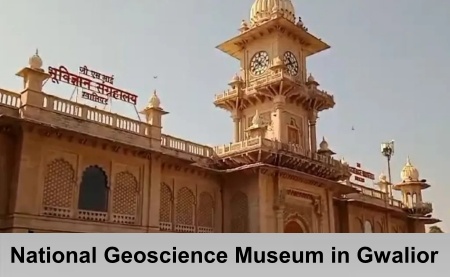
National Geoscience Museum in Gwalior
The National Geoscience Museum in Gwalior showcases India’s rich geological heritage through fascinating exhibits, including fossils, volcanic rocks,...
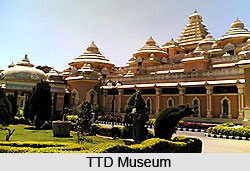
Sri Venkateswara Dhyana Jnana Mandiram/ TTD Museum
Sri Venkateswara Dhyana Jnana Mandiram, popularly known as the S.V. Museum, is a prominent cultural institution in Tirumala dedicated to preserving th...
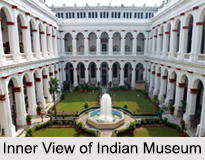
Indian Museum in Kolkata
Indian Museum at Kolkata is a versatile and multi disciplinary institution of national importance.
Related articles in Museums in India
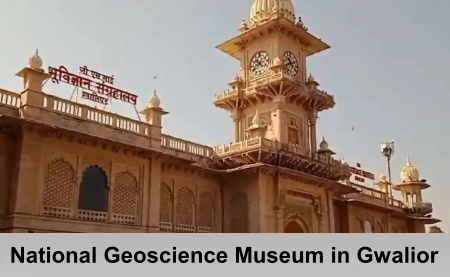
National Geoscience Museum in Gwalior
The National Geoscience Museum in Gwalior showcases India’s rich geological heritage through fascinating exhibits, including fossils, volcanic rocks,...
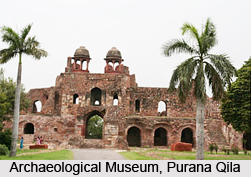
Indian Archaeological Museums
Indian Archaeological Museums are famous worldwide for their wonderful collection of archaeological elements. They represent the national and cultural...
Indian Museums
The various types of museums in India are the Indian art museums and galleries, Indian archeological museums, Indian historical museums and Indian sci...
Mizoram State Museum
The Mizoram State Museum nestled at Aizwal exhibits different archaeological objects, musical instruments, etc.