Throughout history, Brahmins have played a pivotal role in shaping the spiritual landscape of India, particularly during the Bhakti Movement and subsequent social reform movements. The Bhakti Movement, which emerged during the medieval era, sought to foster a direct and personal connection between individuals and their chosen deities, transcending rigid religious hierarchies.
In the realm of the Bhakti Movement, Brahmins stood as prominent thinkers and early proponents. Figures such as Ramanuja, Nimbarka, Vallabha, and Madhvacharya of Vaishnavism, along with the devotional poet Sant Ramananda, were instrumental in nurturing this transformative movement. Ramananda, born into a Brahmin family, epitomized the inclusive spirit of Bhakti, welcoming all seekers regardless of gender, class, caste, or religion, including Muslims. His spiritual teachings were expressed in vernacular poems, accessible to people from various walks of life. Today, Ramananda is revered as the founder of the Hindu Ramanandi Sampradaya, one of Asia`s largest monastic renunciant communities.
Similarly, other medieval-era Brahmins contributed significantly to spiritual movements that rejected social and gender discrimination. Notable figures like Andal, a 9th-century female poet, Basava of Lingayatism in the 12th century, Dnyaneshwar, a Bhakti poet from the 13th century, Vallabha Acharya, a Vaishnava poet from the 16th century, and Chaitanya Mahaprabhu, a Vaishnava saint from the 14th century, stood as beacons of inclusivity and devotion.
In the wake of the Bhakti Movement, the 18th and 19th centuries witnessed several Brahmins leading religious movements that openly criticized idolatry and sought reform. For instance, Raja Ram Mohan Roy, an illustrious Brahmin, spearheaded the Brahmo Samaj, a socio-religious reform movement emphasizing monotheism, rationality, and social equality. Another influential Brahmin, Dayananda Saraswati, took the lead in establishing the Arya Samaj, advocating for Vedic teachings, denouncing caste-based discrimination, and promoting educational reform.
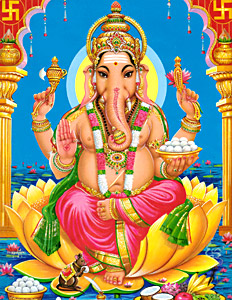
In more recent times, Lokmanya Bal Gangadhar Tilak, a prominent Brahmin, played a key role in popularizing the festival of Ganesh Chaturthi, which involves the worship of Lord Ganpati in the form of an idol. His efforts helped make this celebration a unifying event that transcended barriers of caste and creed.