
The Bhoyar are a Hindu community found primarily in the Indian
states of Maharashtra
and Madhya Pradesh,
with smaller communities residing in neighboring regions. Bhoyar is a cultivating caste. Bhoyar caste
claims to be the descendants of a group of Panwar Rajputs,
who were protecting the city of Dhar in central India when it
was under Aurangzeb.
Bhoyar Caste
Bhoyar Caste is largely found in the Central Provinces of the country. Traditional occupation of Bhoyars is agriculture. They are good cultivators and mostly grow sugarcane.
Introduction
Origin of Bhoyar Caste
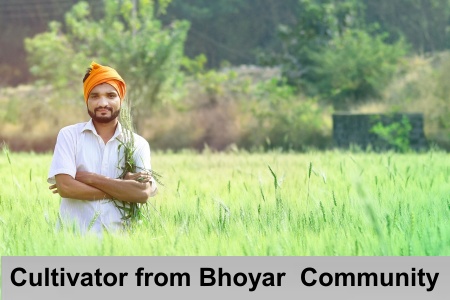 The name Bhoyar is derived from the word ‘bhor,’ which means the dawn or the beginning of a day. They were banished from the caste by the Rajputs and they escaped to the central provinces. Regarding their name it is also suggested it is a variant of the name of the Bhagore Rajputs. And another source is from the word bhora, meaning a timid person. Their claim to be the immigrants from the country’s central part is borne out by the fact that they speak a distorted version of Malwi dialect of Rajputana. This dialect is known after them and is called Bhoyari. At present, Bhoyars principally reside in several regions of Central India, mainly in Betul District, Pandhurna, Wardha, and Chhindwara District.
Sub-Divisions in Bhoyar Caste
The Bhoyar caste has several sub-castes namely Dholewar, Chaurasia, Panwari and Daharia. Among these sub-castes, the Panwars are considered as the highest. They claim to have descended from Panwar Rajputs and also called themselves as Jagdeo Panwars. Dholewars derive their name from Dhola, a place in Malwa region, or from dhol, meaning a drum. It is possible that these different sub-castes immigrated with the Malwa Rajas around the 15th century. The Dholewars are considered as the earliest arrivals, and they are said to have intermarried with the local Dravidian tribes. The Daharia sub-caste takes its name from the term Dahar, the old name of Jabalpur. The name of the fourth sub-caste of this community is Chaurasia, probably has been derived from Chaurasi or territory of 84 villages previously held by the Betul Korku family.
Further, the Bhoyars have numerous kuls or exogamous
sections. The names of these are titular. However, some are territorial and
some totemistic. Some of the names of such exogamous groups are Onkar (Lord Shiva),
Deshmukh and Chaudhari (headman). Other names include Gadria (a shepherd),
Hazari (a leader of 1000 horses), Gore (fair-skinned), Dongardiya (a lamp on a
hill), Suplya toplya (a basket and fan maker), Gohattya (a cow-killer), Pinjara
(a cotton-cleaner), Khawasi (a barber), Kinkar (a slave), Dukhi (impoverished),
Kasai (a butcher), Chiknya (a sycophant) and Kalebhut (black devil). The
territorial groups are known as Sonpuria, from Sonpur and Patharia, from hill
country.
Society in Bhoyar Caste
Members of the Bhoyar community pursue a variety of livelihoods, including farming, livestock care, local trade, government employment, skilled labor, and small businesses. Their traditional diet generally consists of wheat or rice, lentils, vegetables, dairy products, and seasonal fruits, although dietary practices may vary according to the region in which families live.
Family relationships hold a central place in Bhoyar community life, with respect for parents and elders regarded as an important value. Weddings, family ceremonies, and community gatherings are celebrated throughout the year, strengthening familial and social bonds.
In Bhoyar community, marriage within the same family group or Kul is prohibited. Marriage within first cousins is also not allowed. Girls get married at a very young age. They usually held the marriage ceremonies in the month of Baisakh. The caste allows widow re-marriage but a widow is supposed to marry a widower rather than a bachelor. They are religious by nature.
The Bhoyars observe Hindu festivals such as Diwali, Holi, and Navratri,
along with regional harvest celebrations and other local traditions. Education
has gained increasing importance within the community, and many younger members
pursue higher education and employment opportunities in towns and cities while
continuing to maintain close connections with their families and communities.
Recently updated articles in Religion in India
Kusumayudha
Kusumayudha is a name of Kamadeva, the Hindu God of Love. Depicted with a sugarcane bow and flower-tipped arrows, he represents attraction and longing...
Bhoyar Caste
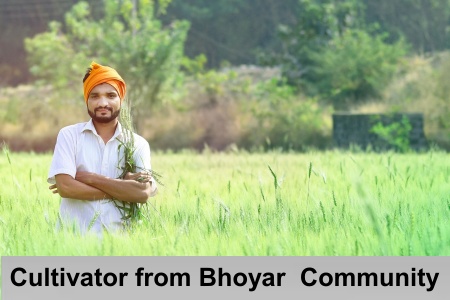
Bhoyar Caste is largely found in the Central Provinces of the country. Traditional occupation of Bhoyars is agriculture. They are good cultivators and...
Chasa Caste
Chasa caste is a prominent agrarian community native to Odisha. Traditionally associated with cultivation and farming, Chasas have historically played...
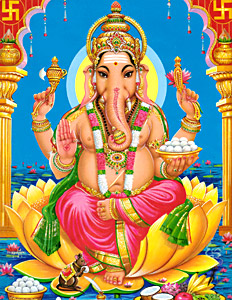
Vigneswara, A Form of Lord Ganesha
Lord Vigneswara is another form of Lord Ganesha or Vinayaka, prominently worshipped as the God of intelligence and good luck in the Indian subcontinen...
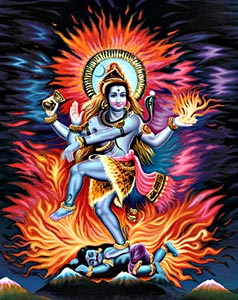
Maheswara
Maheswara, meaning “the Great Lord,” is a revered name of Lord Shiva in Hindu tradition. It represents Shiva’s supreme authority over creation, preser...
Related articles in Religion in India
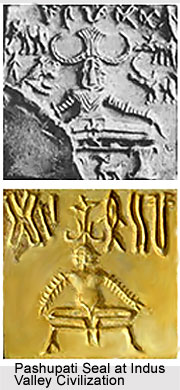
Religion in Indus Valley Civilization
Religion in Indus Valley Civilisation included Hinduism, Buddhism and Jainism. Details about the religion in Indus Valley Civilization have been gathe...
Iyer Brahmin
Iyer Brahmins are originally from Tamil Nadu of South India. They are known for their adherence to Advaita philosophy and Smarta traditions. Tradition...
Kumbhakar / Kumhar Caste
Kumbhakar or Kumhar caste is a traditional artisan community in India known for pottery making. Derived from Sanskrit word Kumbhakar, meaning potter,...

Gujjars in Mughal Era
Gujjars in the Mughal era enjoyed great power. Further their power increased with the decline of Aurangzeb, Mughal emperor.
Gotra in Hinduism
In Hinduism, gotra refers to a lineage system tracing descent from ancient sages, primarily through the paternal line. Originating from Vedic traditio...