Introduction
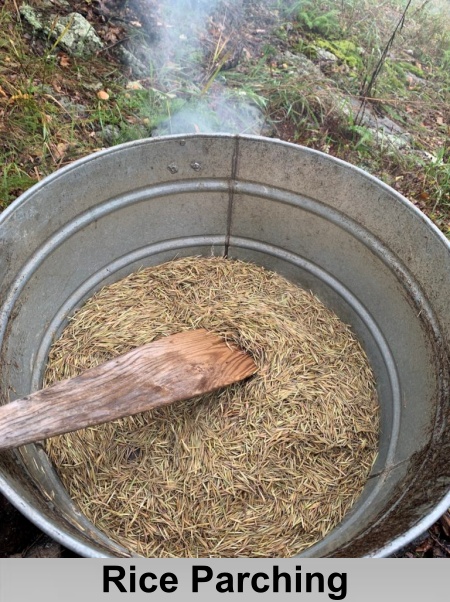
Dhuri caste is a socially backward community primarily found in central and northern India. Members of the caste are mainly associated with the occupation of rice parching. Traditionally, they have worked as landless agricultural labourers and have been engaged in the preparation of parched rice (cheora). The community is also known by several sub-caste names, including Raj Dhuri, Badharia, and Khawas. They are considered as an offshoot of the Kahar caste. However, in Chhattisgarh Dhuris claim that the Kahars are their sub-caste.
Origin of Dhuri Caste
In Kawardha,
the members of Dhuri caste believe that the Raja brought them back while on his
return from a pilgrimage. However, others say that they came from Mirzapur
District in Uttar Pradesh. There are some legends that indicate
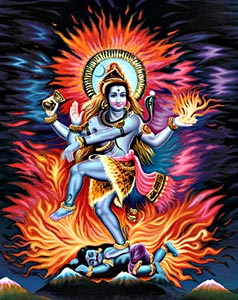
the origin of Dhuris. According to one of the legends, Lord Shiva or
Mahadev once went to the forests and the moist earth stuck to his feet. He
scraped it off and made a man out of that mud. He then asked the man what caste
he would want to belong to. To this, the man replied that he would leave it to
him to decide. Thus, Lord Shiva decided that the man should be called Dhuri,
derived from the word dhur, meaning dust. After that the man asked God to
assign him a particular occupation, and Mahadev said that as he was created
from the dust, his work would be to make cheora or pounded rice. He
also added that people from every caste would eat the pulverised rice prepared
by him.
Occupation of Dhuri Caste
Traditionally, members of the Dhuri caste earned their
livelihood through agricultural
labour, often involving women and children. They were also engaged in the
preparation of parched rice (cheora), a process that transforms harvested paddy
into edible rice through several key steps that includes cleaning, de-husking
to produce brown rice, whitening or polishing to remove bran and add shine, and
grading or sorting. Optional parboiling improves nutritional value, while the
final stages include packing and sometimes blending. In modern times, many
Dhuris have moved into other professions within agriculture and even into
industrial work. However, their core occupation has remained closely connected
to agricultural activities.
Sub-Caste of Dhuri Caste
Dhuri caste has two major sub-castes and they are known by different names in different regions of the country. For instance, in Kawardha they are known as Raj Dhuri and Cheorakuta. Raj Dhuris are said to be the descendants of personal servants in the Raja’s family. In Bilaspur they are known as Badharia and Khawas, and in Raipur, Dhuris are known as Badharia and Desha. The caste also has some exogamous sections, which are territorial, such as Agoria from Agori, a pargana in Mirzapur District. Naugahia is also a name given to Dhuris from Naogaon in Bilaspur District.
Culture of Dhuri Caste
Dhuris strictly does not forbid the marriage of members of the same exogamous sects. They also allow polygamy. The wedding ceremony of Dhuri caste comprises the bhanwar ceremony, which includes walking round the sacred pole. In Dhuri caste, widow re-marriage is allowed and the widow generally marries the younger brother of her late husband. Divorce is also permitted in Dhuri community. They bury their dead and also observe a period of mourning.The women, who are responsible for all domestic matters are held in high esteem. Men in Dhuri caste are usually engaged in their routine agricultural activities and doesn’t involve much into domestic affairs. People belonging to the Dhuri caste are highly religious and pious and worship several local cult gods and goddesses but they principally worship Goddess Devi. Mirth and merrymaking form an essential part of their celebrations, and no religious observance is considered complete without animal sacrifice, while coconuts are also offered to appease the deities.