
Dangi caste is a Hindu caste of Central India. They are also found in the states of Rajasthan, Haryana, Gujarat, and Uttarakhand. Dangi is principally a cultivating caste. The origin and actual meaning of term Dangi cannot be stated exactly as there are different interpretations of this name. Some claim that it is probably associated with the geological nature of the region where they might have lived. In Sanskrit language, Dang refers to highlands. Thus, it is quite possible that the Dangis might be the inhabitants of Dang region. It is also said that the Dangis are probably called by this name due to their work of high land region. Some also say that the name Dangi has originated on linguistic basis. It refers to certain dialects mainly spoken in hilly region known as the Dangis.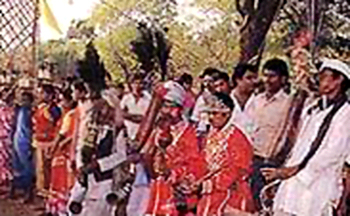
Dangi Caste
Dangi Caste is largely distributed in the high land regions, and the word Dangi is said to have originated from the geographical features of their territory. Main occupation of the members of Dangi Caste is cultivation.
Introduction
Language Spoken by Dangi Caste
Dangi is spoken as sub-dialect of Braj Bhasha in the northern parts of former state of Jaipur. Initially, the Dangis were mostly prevailing in Saugor, a part of which has been named after them and is known as Dangiwara. Locally, in some parts of India, such as in the states of Rajasthan and Gujarat, the Dangis are also referred as Patels. Today, they are found scattered almost in all parts of the country.
Clans in Dangi Caste
The Dangi caste has no sub-castes, but they are divided into three main classes. Formerly, there were twenty-five clans of this caste, of whom the three namely Nahonias, Bhadonias and Nadias, claimed to be Rajputs. The remaining twenty-two clans are called Baisa or Prithwipat Dangis. The king is said to have been the antecedent of all these clans. However, there are some other clans who apparently represent the enlargement of the caste. Some of them have been named after the places from where they came, such as Narwaria, from Narwar; Mahobia, from Mahoba, and so on.
Members of Dangi Caste
The members of Dangi Caste are said to have a well built physique. Women members are fair skinned. They are prosperous cultivators as they are considered as very hard working. Dangis are very inclined towards their religious beliefs. In Dangi community, girls generally get married between seven and twelve years of age and boys get married between ten and twenty years of age.
The matches are made by the elders of the family by comparing the horoscopes of the boy and the girl. The bridegroom is supposed to be elder than the bride. Their marriage ceremonies are performed as per the prevalent rituals of northern India. In Dangi society, widow re-marriage and divorce are not permitted. They allow polygamy. Dangis are very religious by nature and they worship Goddess Durga and the presiding deity of the village.
Recently updated articles in Religion in India
Kusumayudha
Kusumayudha is a name of Kamadeva, the Hindu God of Love. Depicted with a sugarcane bow and flower-tipped arrows, he represents attraction and longing...
Bhoyar Caste
Bhoyar Caste is largely found in the Central Provinces of the country. Traditional occupation of Bhoyars is agriculture. They are good cultivators and...
Chasa Caste
Chasa caste is a prominent agrarian community native to Odisha. Traditionally associated with cultivation and farming, Chasas have historically played...
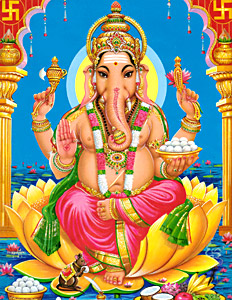
Vigneswara, A Form of Lord Ganesha
Lord Vigneswara is another form of Lord Ganesha or Vinayaka, prominently worshipped as the God of intelligence and good luck in the Indian subcontinen...
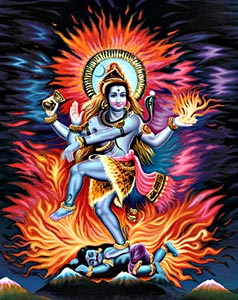
Maheswara
Maheswara, meaning “the Great Lord,” is a revered name of Lord Shiva in Hindu tradition. It represents Shiva’s supreme authority over creation, preser...
Related articles in Religion in India

Religion in Indus Valley Civilization
Religion in Indus Valley Civilisation included Hinduism, Buddhism and Jainism. Details about the religion in Indus Valley Civilization have been gathe...

Iyer Brahmin
Iyer Brahmins are originally from Tamil Nadu of South India. They are known for their adherence to Advaita philosophy and Smarta traditions. Tradition...

Kumbhakar / Kumhar Caste
Kumbhakar or Kumhar caste is a traditional artisan community in India known for pottery making. Derived from Sanskrit word Kumbhakar, meaning potter,...

Gujjars in Mughal Era
Gujjars in the Mughal era enjoyed great power. Further their power increased with the decline of Aurangzeb, Mughal emperor.

Gotra in Hinduism
In Hinduism, gotra refers to a lineage system tracing descent from ancient sages, primarily through the paternal line. Originating from Vedic traditio...