
Bahna caste is the traditional working caste of cotton-cleaners. Bahna caste is mainly scattered over the central provinces of the country. Their traditional occupation is cleaning of cotton. It is believed that the increasing number of ginning-factories has almost ruined the traditional trade of hand grinned cotton of the Bahna caste. Thus, it is quite possible that the members of this particular caste might have taken to other occupations. Bahna caste is also known by the name of Pinjara and Dhunia. The term Pinjara is derived from the term pinjan, which is used for a cotton-bow, and Dhunia is derived from dhunna. Bahna caste is also known as Dhunak Pathani.
They have several traditional customs and ceremonies. Bahna caste is considered as a mixed group. In their societies, a girl receives half the share of a boy of the inherited property. The caste is split into various territorial sub-castes. These sub groups have been named after the different regions of the country from which the members have come. Like for instance, Badharia from Badhas in Mirzapur, Berari of Berar, Dakhni from the Deccan, Sarsutia from the Saraswati River, Pardeshi from northern India, Telangi from Madra (now Chennai) and others. There are two occupational groups namely Newaris of Saugor and the Kanderas, who are associated with making of fireworks. There are some legends that suggest that the Bahnas have originated from the caste of Telis or oil-pressers.
In Bahna society, there are some exogamous sects and they have certain rules for regulating the marriages within the society. A man is not allowed to marry his wife`s younger sister. The wedding ceremonies are performed by a Kazi through the nikah rites. A marriage shed is prepared and the bridegroom`s party sit under this shed. The Kazi reads some holy verses from sacred texts. Afterwards, guests are served a meal of sugar and rice. Widow re-marriage is allowed in their society. A widow is expected to marry her late husband`s younger brother however it is not an obligation. Divorce is also permitted in this caste. It is allowed through a written deed, which is known as `Farkhati`. People belonging to this caste are highly religious and they worship the tombs of Muslim saints.
Bahna Caste
Bahna Caste of Central India is the occupational cotton cleaners. Pinjara and Dhunia are other two names used for Bahna caste. It is a mixed occupational caste.
Recently updated articles in Religion in India
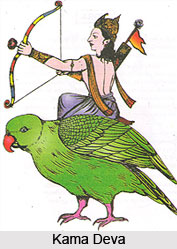
Kusumayudha
Kusumayudha is a name of Kamadeva, the Hindu God of Love. Depicted with a sugarcane bow and flower-tipped arrows, he represents attraction and longing...
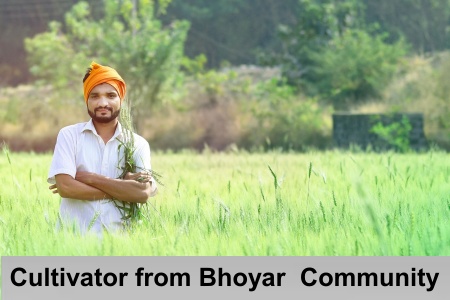
Bhoyar Caste
Bhoyar Caste is largely found in the Central Provinces of the country. Traditional occupation of Bhoyars is agriculture. They are good cultivators and...
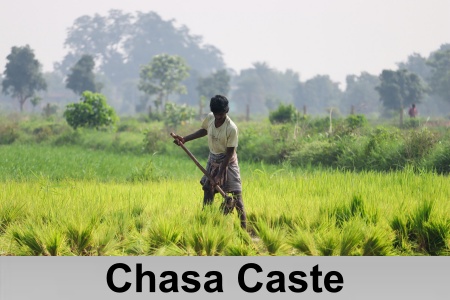
Chasa Caste
Chasa caste is a prominent agrarian community native to Odisha. Traditionally associated with cultivation and farming, Chasas have historically played...
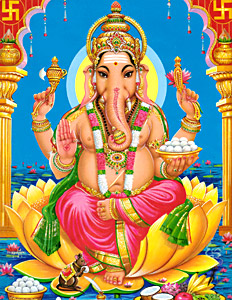
Vigneswara, A Form of Lord Ganesha
Lord Vigneswara is another form of Lord Ganesha or Vinayaka, prominently worshipped as the God of intelligence and good luck in the Indian subcontinen...
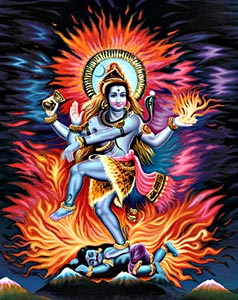
Maheswara
Maheswara, meaning “the Great Lord,” is a revered name of Lord Shiva in Hindu tradition. It represents Shiva’s supreme authority over creation, preser...
Related articles in Religion in India
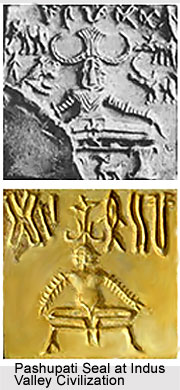
Religion in Indus Valley Civilization
Religion in Indus Valley Civilisation included Hinduism, Buddhism and Jainism. Details about the religion in Indus Valley Civilization have been gathe...
Iyer Brahmin
Iyer Brahmins are originally from Tamil Nadu of South India. They are known for their adherence to Advaita philosophy and Smarta traditions. Tradition...
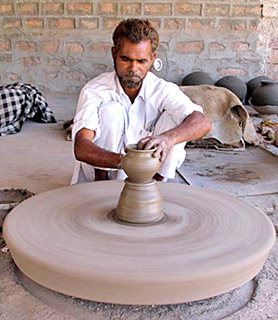
Kumbhakar / Kumhar Caste
Kumbhakar or Kumhar caste is a traditional artisan community in India known for pottery making. Derived from Sanskrit word Kumbhakar, meaning potter,...

Gujjars in Mughal Era
Gujjars in the Mughal era enjoyed great power. Further their power increased with the decline of Aurangzeb, Mughal emperor.
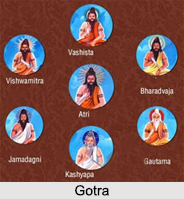
Gotra in Hinduism
In Hinduism, gotra refers to a lineage system tracing descent from ancient sages, primarily through the paternal line. Originating from Vedic traditio...