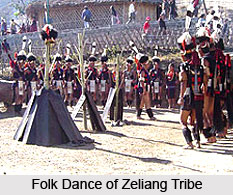
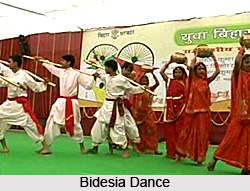
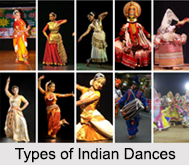
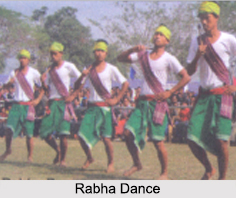
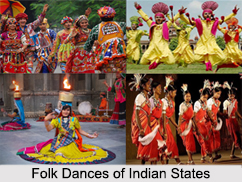
 Folk Dances of Indian States mark the intense platform encompassing creative extravaganza of different states of India. Each state of India has its own culture and tradition. The Folk Dances of Indian States tend to reveal that culture when they are performed in different occasions. There are several states with their several folk dance forms. Each has its own significance through which the image of the respective state can be visualized.
Folk dances of Indian States form an integral part of mass culture. Indian folk dances are performed in groups in villages and remote regions of the countryside, as an essential part of the local rituals and customs. Such dances are practiced during religious, social, cultural and seasonal festivals.
Origin of Folk Dances in Indian States
Folk Dances of Indian States got originated among the ordinary common mass of rural areas before 19th century from various rural areas. Primitive and undeveloped society witnessed the birth of dance either as a form of ritual or as an entertainment. These dance forms originated in the ancient time; later the waves of culture formulated and enhanced them.
Features of Indian Folk Dances
Folk Dances of Indian States are mostly group dances immensely popular among all classes. Participation of both male and female counterparts is seen and there are different styles in each dance form. On most of the occasions, the dancers sing while being accompanied by artists on musical instruments highlighting the bonding force. Every rural community is laden with its own folk dances performed on specific occasions such as the birth of a child, to celebrate the arrival of new seasons, weddings and festivals. During the performances, the dancers adorn themselves with their traditional costumes and ornaments.
 Folk Dances of North Indian States
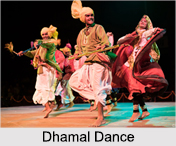
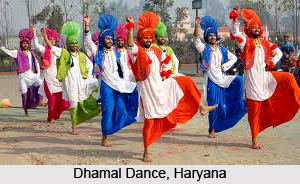
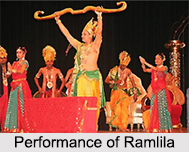
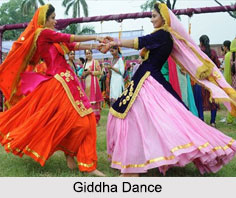
Dumhal is a folk dance performed in Jammu and Kashmir by the Rauf tribe. Only the men folk of the Rauf are privileged to perform this dance. Generally, this dance is performed by wearing long, colourful robes and tall, conical caps, studded with beads and shells. Nati is the most famous dance of Himachal Pradesh. This dance is listed in Guinness world record book as largest folk dance. It is mainly originated from Sirmaur district. Bhangra is the most popular folk dance of Punjab, which is performed with musical instruments like "tabla", "dhola", "chimta" and others. Gorgeous and classical Punjabi costumes are clad by the local men and women and this dance is performed at weddings and social festivals. Barada Nati is the most popular folk dance of Uttarakhand, which is performed during any religious festival or any special occasion. Uttar Pradesh also has a rich culture which includes various folk dances and they are Raslila, Swang, Ramlila, Nautanki, Naqal and Qawwali. Ras Lila, Phag dance, Loor, Dhamal, Gugga, Jhumar, Khoria, Chatty, Sang, Chaupaiya, etc are the popular folk dances of Haryana which are performed in various celebrations.
 Folk Dances of East Indian States
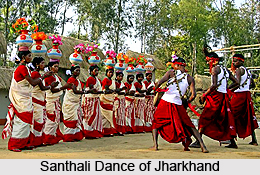
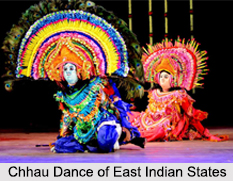
Jat-Jatin is the most popular folk dance of Bihar. It is performed by a pair of man and woman. Santhal, Jhumur, Paika, Phagua, Chhau, Bheja and Sarhul are the famous folk dances of Jharkhand which are performed with great enthusiasm by the tribal people. Ghumura Dance or Ghumra Dance is one of the leading folk dances of Odisha. It is classified as folk dance as the dress code of Ghumura resembles more like a tribal dance. In West Bengal, some of the most popular folk dances are Baul, Purulia Chhau, Santhali, Mundari and Gambhira dance.
Folk Dances of South Indian States
Padayani is one of the most significant folk dances of Kerala which is associated with some regional temple festivals, particularly in Kottayam, Kollam, Pathanamthitta and Aleppey districts of Kerala. Dollu Kunitha is a popular dance form of Karnataka, which is accompanied by singing and the beats of decorated drums. This dance is primarily performed by men from the shepherd or Kuruba caste. Kaliyattam, Karagattam, Kavadiyattam, Oylattam, Devarattam, Kollattam, Kai Silambattam and Peacock Dance are some of the popular folk dances of Tamil Nadu. Butta Bommalu is a famous folk dance of Andhra Pradesh; dancers wear different masks during the performance to add more colours to the movements. Perini Sivatandavam or Perini Thandavam is an ancient folk dance of Telangana which is usually performed by males. It is called the "Dance of Warriors".
 Folk Dances of West Indian States
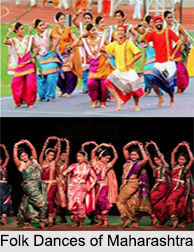
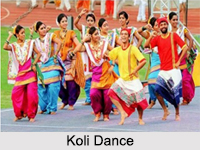
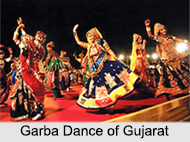
Dindi, Kala, Koli and Lavani are the prime folk dances of Maharashtra which present different societies of Maharashtra. Talgadi, Goff, Tonya Mel, Kunbi dance, Suvari and Dasarawadan are the most popular folk dances of Goa. Generally performed by the womenfolk, "Garba" dance of Gujarat includes rhythmic clapping, along with circular manner of movement and is practiced especially during "Navaratri". Rajasthan has seven popular folk dances and the names are Ghoomar, Kalbeliya, Kachchhi, Ghodi, Gair, Chari and Chang.
Folk Dances of Central Indian States
Bharam, Setam, Saila and Ahirai are the most famous folk dances of Madhya Pradesh. Chhattisgarh has eight prime traditional folk dances which are Saila Dance, Karma, Sua Nacha, Panthi Dance, Raut Nacha, Jhirliti and Gendi.
Folk Dances of North East Indian States
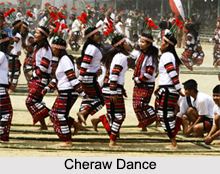
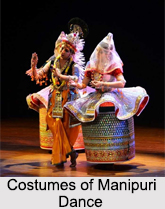
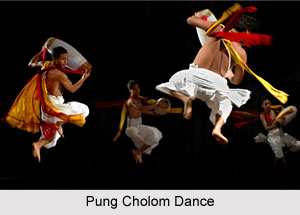
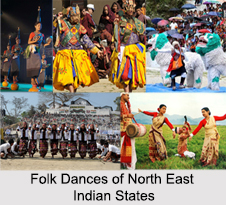
Bardo Chham is a folk dance of Arunachal Pradesh. It depicts the victory of good over evil. Famous folk dance of Manipur is Pung Cholom. Goria, Huk Kaimani, Lebang Bumani, Hojagiri and Ua Bamboo are the main folk dances of Tripura. Mask Dance is the most popular folk dance of Sikkim. War Dance is one of the most popular folk dances of Nagaland. Cheraw is very old traditional folk dance of Mizoram. Shad Sukmysiem, Shad Nongkrem, Derogata, Do Dru Sua and Lahoo are the popular folk dances of Meghalaya. Bihu Dance is the most popular traditional folk dance of Assam.