Folk Dances of Nagaland
Folk Dances of Nagaland reflects the naga tradition and culture of the local habitants. In most of the cases, naga dances are monopoly of men with some exception but almost ever dance is associated with some kind of naga festival or tradition.

Share this Article:

Introduction

Folk dance of Nagaland forms the main component of the traditional culture of the people of Nagaland in India. Folk dances of Nagaland are performed mainly in a synchronized manner in groups by women as well as men, based on the kind of dance. Dances are generally performed in religious and festive occasions. Mainly the Naga men perform war dances. This dance is martial and athletic in style. All the folk dances of Nagaland are performed along with war cries and songs by the dancers. There are several folk dances in Nagaland which are generally performed at the time of harvest. The folk dances of this state are filled with frolic and fun since these dances are performed when the people of Nagaland are enjoying a special event. Every tribal community in Nagaland has their own dance, but they have a common feature. All the folk dances of Nagaland are based on heavy footwork while keeping the body in an upright position.
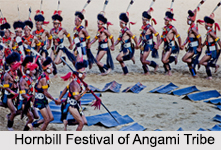
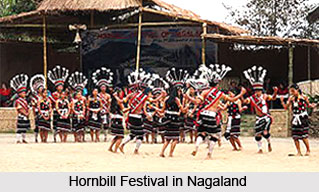
Popular Folk Dances of Nagaland

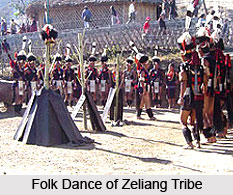
Nagaland has multiple tribes each having their own uniqueness, dance forms, cultures, language and more. This diversity in culture in reflected in their respective folk dances. Some of the popular folk dances of Nagaland are Modse, Agurshikukula, Butterfly Dance, Aaluyattu, Sadal Kekai, Changai Dance, Kuki Dance, Leshalaptu, Khamba Lim, Mayur Dance, Monyoasho, Rengma, Seecha and Kukui Kucho, Shankai and Moyashai etc. However, the prominent ones are War Dance and Zeliang Dance.


Changsang Dance

Changsang dance is a traditional folk dance performed by the Chang Naga Tribe of Nagaland during the Poang Lem or Naknyulem festival in the month of July. Changsang dance is performed in praise of the birthplace of mankind and therefore the earth. The dancers wear colourful clothes adding vibrancy to the performance. They are accompanies by traditional folk music of Nagaland. Prayers are offered along with the dance to honor the Sky God and bless mankind.


Chang Lo/ Sua Lua Dance

The Chang Lo Dance also referred to as "Sua Lua "is a traditional folk dance of the Chang Naga tribe of Nagaland. It was performed to celebrate the victory over enemies in the earlier times. It is a vibrant dance performed by the tribal community during the Poanglum festival. The dance is marked by traditional attire and warrior movements. 


Monyu Asho Dance

Monyu Asho dance is a traditional folk dance performed by the Phom Nagas during the festival Phom Monyu festival in the month of April. It is the biggest festival of the Phom Naga tribe that celebrates the end of winter and the start of summer. The dance is performed as a prayer and dedication for the newly sown seeds that are beginning to sprout. 


Melo Phita Dance

Melo Phita dance is a traditional folk dance performed by the Angami Nagas during the Sekrenyi festival in the month of February. Sekrenyi festival is a purification festival observed for ten days. This dance of celebration features synchronized, hopping steps, moving in circles, symbolizing purification, joy, and the strengthen of community bonds. The performance is also dedicated to purging of past sins. Both men and women participate in this dance.


Angushu Kighilhe Dance

Angushu Kighilhe dance is a traditional war dance performed by the men of Sumi tribe. The performance is characterized by high-energy movements, showcasing bravery and warrior skills. The dance is a crucial part of the cultural heritage of Sumi tribes and is performed mainly during special events and cultural festivals. 


Rukhyo Sharu Dance

"Rukhyo Sharu" dance is a form of traditional folk dance performed by the Lotha Naga tribe. The word "Rukhyo Sharu" literally means "victory dance". It is performed during the head-hunting days to celebrate victory over the enemy.


Langnyu-Khiamtsangshe Dance

Langnyu-Khiamtsangshe dance is a traditional folk dance performed by the Khiamniungan Naga tribe of Nagaland during the festivals of Miu and Tsokum, which are co-related to every other. The dance depicts the common life of the villagers such as going out to the fields for cultivation, cooking food, and celebrating festivals. 


Akok-Khi Dance

Akok-Khi is a dance form performed by the Sangtam tribe during the Mongmong festival. This traditional, solemn folk dance is a cultural performance featuring traditional attire and rhythmic movements. The dance is performed in groups by both men and women in the open fields.


Khupielilie Dance

Khupielilie dance is a traditional folk dance performed by womenfolk of the Pochury Naga Tribe of Nagaland. This dance is an integral part of the Nazu festival of the Pochury tribe in the month of February. Khupielilie is a dance where women perform a major role. The dance is a major cultural attraction of the festival and features harmonious, synchronized hand and leg movements. The dance is performed as a competitive, entertaining display of heritage and not much as a ritual.


Kukuyipheto Dance

Kukuyipheto dance is a traditional folk dance performed by Chakesang Nagas. It is an excellent choreography as the dance consists of fast and complicated footwork. This dance is performed during a grand feast referred to as "Feast of Merit" and administered by all the able-bodied men in full traditional attire.


Kulu-Tsen Dance

Kulu-Tsen is a traditional Naga folk dance of the Yimkhiung tribe. Kulu means head, and Tsen means dance. It’s a dance associated with head-hunting. The dance us also performed during cultural festivals and special events, showcasing the cultural heritage of the tribe.


Baimajai/ Plate Dance

Baimaijai dance is a traditional folk dance of the Dimasa tribe. The dance is performed by young girls or women with two plates or winnowing baskets in hand. The dancers wear colourful costumes and move gracefully to expression joy and victory.


Udoho Dance

Udoho dance is a traditional war dance of Angami Naga tribe. The literal meaning of Udoho is holding spear and shouting on enemy. It depicts the position of warrior in the village. It represents the tribe's martial culture, featuring dancers holding spears and shouting. This energetic, masculine dance is often showcased during traditional festivals and cultural gatherings. This war dance is a way of expressing the bravery of the warriors.


Nokinteker Tsungsang Dance

Nokinteker Tsungsang dance is a Naga traditional dance form of the Ao Naga tribe. "Nokinteker" literally means "war hero". The dance is often performed at festivals like the Hornbill Festival to celebrate victory. The dancers, mainly men in the community, wear traditional Ao attire and performs warrior movements.


Aaluyattu Dance

Aaluyattu is a vibrant folk dance from Nagaland, traditionally performed by the Konyak tribe. Known for its energetic and celebratory nature, the dance is commonly showcased during festivals as an expression of gratitude to deities for a bountiful harvest. Through its lively movements and communal spirit, Aaluyattu reflects the joy, unity, and rich cultural heritage of tribal communities.


Agurshikukula Dance

Agurshikukula is a traditional war dance performed by the local tribal communities of Nagaland. Regarded as one of the region’s culturally rich dance forms, it is often presented alongside other folk performances such as Modse and the Butterfly Dance. It is showcased during community festivities.


Butterfly Dance

Butterfly Dance is a traditional folk performance of Nagaland, primarily practiced by the Zeliang tribe and Lotha tribe. Inspired by the delicate and graceful movements of butterflies, the dance celebrates nature, harmony, and joy. It is distinguished by vibrant traditional attire, gentle footwork, and synchronized, flowing arm movements. It is commonly performed during cultural festivals.


Leshalaptu Dance

Leshalaptu is a traditional folk dance of Nagaland, commonly performed by the women of Phom Naga tribe. The dance serves as a celebration of community togetherness and cultural heritage, reflecting the shared identity of the tribe. Recognized as one of the region’s vibrant dance forms, Leshalaptu is frequently performed during festivals and social gatherings.


Modse Dance

The Modse dance is a traditional folk performance of Nagaland, practiced by the Ao tribe. It is most commonly performed during the Moatsu festival, celebrated each year in the first week of May to mark the completion of the sowing season. During the dance, men and women adorn traditional Ao attire and form a circle, holding hands as they move in rhythmic harmony. Their synchronized steps and gentle swaying follow the beat of music produced by drums and other traditional instruments, creating a lively and communal atmosphere.


Rengma Dance

The Rangma dance is a traditional performance that reflects the region’s battle culture and warrior traditions. In this high-intensity routine, dancers dress as warriors and move rhythmically to the beat of drums. Historically performed by male members of the tribe during the Ngada festival, the dance has evolved in recent times, with women also participating and contributing to the continuation of this cultural tradition.


Seecha and Kukui Kucho Dances

Seecha and Kukui Kucho are traditional folk dances of Nagaland, performed by the Angami tribe. These dances form an integral part of the region’s rich tribal heritage and are commonly showcased during festivals and social gatherings.


Shankai and Moyashai Dances

Shankai and Moyashai are traditional victory dances of Nagaland, performed by the Lotha tribe. Often showcased during cultural celebrations such as the Hornbill Festival, these dances commemorate historical tribal victories. Marked by rhythmic and energetic movements, they reflect the valor and celebratory spirit of the community.


Wilang Hem Dance

Wilang Hem is a traditional dance of the Konyak tribe of Nagaland. Historically, it was performed with great fervor by victorious warriors upon returning from battle, celebrating their triumphs and the defeat of their enemies. Over time, the context of the dance has evolved, and it is now presented during festive and joyful occasions. The performance is distinguished by dancers adorned in colorful traditional attire, often carrying bamboo baskets on their backs. Accompanied by the rhythmic sounds of indigenous drums, bamboo pipes, and gongs, Wilang Hem continues to reflect the rich cultural heritage and warrior traditions of the community.


Khamba Lim Dance

Khamba Lim is a traditional folk dance performed by community members as a way to uplift spirits, strengthen unity, and celebrate cultural heritage. The dance features men and women arranged in two rows, moving in a structured yet graceful rhythmic pattern. Characterized by synchronized movements and accompanying songs, Khamba Lim reflects the communal harmony and enduring traditions of the region.


Kuki Dance

Kuki dance is a rhythmic folk performance that highlights communal unity and cultural heritage. It is often showcased during prominent events such as the Hornbill Festival. The dance is characterized by performers skillfully skipping between moving bamboo poles, creating a visually striking and rhythmically engaging display.


Mayur Dance

Mayur Dance, also known as the Peacock Dance, is a traditional folk performance from Nagaland. It is distinguished by graceful movements that imitate the elegance of a peacock, brought to life through vibrant costumes and intricate footwork. The dance reflects the deep connection between the Naga tribes and nature, showcasing their appreciation for the natural world through expressive and artistic traditions.


Sadal Kekai Dance

Sadal Kekai is a traditional folk dance, primarily performed by the Kuki tribe. The dance is associated with celebration and is often linked to preparations for hunting expeditions. Marked by its rhythmic and energetic style, Sadal Kekai features performers dressed in colorful traditional attire, with movements that occasionally imitate elements of nature or evoke a martial spirit.


Teri Chha Dance

Teri Chha is a traditional martial dance performed by the Rengma Naga tribe in the Kohima district of Nagaland. Historically, the dance functioned as a form of training to prepare young men of the village for warfare, ensuring that essential combat skills were preserved and passed down through generations. It is typically performed during significant festive occasions, reinforcing these techniques within the community. The dance unfolds in three distinct phases. The first phase portrays preparations for war, followed by the second phase, where dancers demonstrate techniques of attack and defense. The final phase celebrates victory over the enemy, culminating in a ritual ceremony that brings the performance to a ceremonial close.


Share this Article:

More Articles in Indian Dances


Folk Dances of Haryana
The Folk Dances of Haryana are influenced by the culture of its neighbouring states and express the deeper spiritual nature of the dance form.
Kathakali Dancers
Kathakali dancers of India embody grace, passion, and storytelling prowess. Through their vibrant costumes, expressive movements, and intricate makeup, they bring ancient tales to life on stage.
Folk Dances of Sikkim
The cultural tradition of Sikkim is conveyed in its conventional folk dances. The Folk dances are an essential part of Sikkim’s culture and tradition that are really vibrant at times. The three ethnic communities, Lepcha, Bhutia and Nepalis constitute the folk dances and songs in this state.
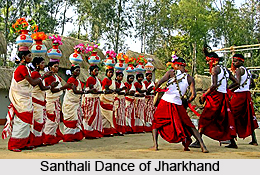
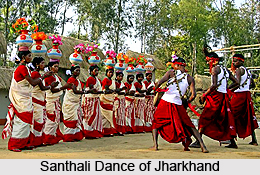
Santhali Dance
Santhali dance is a vibrant folk tradition of the Santhal tribe, reflecting the deep connection of the Santhal tribe with nature, community, and celebration. Performed during various festivals and harvest rituals, the dance features rhythmic footwork, graceful movements, and traditional music.
Folk Dances of Maharashtra
Folk dances of Maharashtra reflect the state's rich cultural heritage and traditions. Prominent forms include Lavani, Tamasha, Lezim, and Gondhal, each associated with specific communities and occasions. These dances combine music, rhythm, and storytelling, often performed during festivals, rituals, and social gatherings, preserving regional identity across generations.
Folk Dances of Mizoram
Folk dances of Mizoram are performed during the time of festivals. These dances are done in a group form.
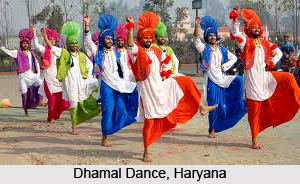
Dhamal Dance
A folk dance form of Haryana, the Dhamal Dance has its roots in the days of the Mahabharata. This dance form is primarily performed by men in the outdoors and is famous in the Gurugram area of the state.
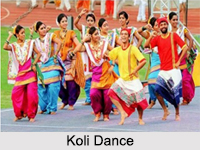
Koli Dance
A unisex folk dance form of Maharashtra, the Koli dance is a known dance form of the Koli fisher folk.
Costumes of Manipuri Dance
Costumes of Manipuri Dance are quite unique from other Indian classical dance forms.
Hasta Mudras In Kathakali
Hasta Mudras are an integral part of Kathakali dance performance. The Hasta Mudras of this particular dance form are very symbolic in nature.
North Indian Dances
North Indian Dances portray various aspects of Hindu and Muslim culture that have influenced the region for a long time.
Folk Dance of Uttar Pradesh
Folk dance of Uttar Pradesh shows zest of life. It includes dances like Raslila, Ramlila, Khyal, Nautanki,Naqaal,Swang, Dadra and Charkula dance.
Mangalacharan Odissi Dance
Mangalachran is that part of Odissi with which the dance begins and it contributes to the invocatory part of Odissi.
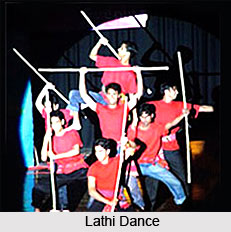
Lathi Dance
Lathi dance is a dance form of West Bengal performed on the occasion of Muharram.
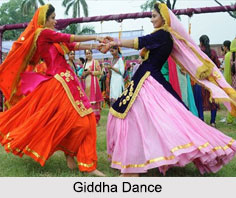
Giddha Dance
Giddha Dance of Punjab, performed only by the women, is a very popular folk art form in India. During Lohri, the Punjabi women reveal their joy through the performance of Giddha.
Folk Dances of Manipur
Manipuri folk dances include the Pung Cholom, Raslila, Maibi dance, Khamba Thaibi, Lal Haraoba and the Nupa dance.
Folk Dances of Nagaland
Folk Dances of Nagaland reflects the naga tradition and culture of the local habitants. In most of the cases, naga dances are monopoly of men with some exception but almost ever dance is associated with some kind of naga festival or tradition.
Bidesia Dance
Bidesia dance is the most popular folk dance of Bihar. The themes of the dance are social issues, contradictory topics and conflict between the traditional and the modern, the urban and rural, and the rich and the poor.
Types of Indian Dances
Types of Indian Dances reflect its cultural richness. Whilst the Classical dances form the very base of Indian dances, it is near impossible to overlook the tribal and folk elements that stand out as separate types of Indian dances.
Rabha Dance
Rabha Dance is performed by the Rabha Tribes of Meghalaya in the Garo Hills.