
The exuberance and vitality of the people of Punjab are vigorously displayed in their folk dances. With the drum beat or to the tune of some other instrument of folk music, the energetic feet of the people of Punjab are spontaneously set in motion to deliver a folk dance. The folk dances of Punjab can be simply classified according to male or female folk dances, where the Bhangra, Jhummer, Luddi, Julli, Dankara and Dhumal are male folk dances while Sammi, Giddha, Jaago and Kikli are the female folk dances. These folk dances of Punjab are typically performed at times of celebration, such as harvest, weddings and festivals like Lohri or the Spring Festival.
Folk Dances of Punjab
The folk dances of Punjab are of specific styles for both men and women.
Bhangra Dance
Bhangra is one of most popular dances of India performed during Baisakhi only by the men in Punjab. This is one of the most important folk dances of Punjab and includes the drummer who usually stands in the centre of the circle in an open space surrounded by dancers who even recite meaningless 'bolis', words such as hoay, hoay; or Balle, Balle, which not only inspire themselves but also others for the dance. People from all social classes join the dance.
Jhummar Dance
Jhummar dance is a dance of ecstasy and a living testimony of the happiness of men, so performed only by men. Jhummar is performed mostly during the melas, weddings and other major functions and celebrations. It is slower and more rhythmic form and the songs evoke a quality which reminds of swaying.
Luddi Dance
Luddi Dance is also a male folk dance of Punjab and it is to celebrate a victory or success that is gained in any field. This is basically the dance of slow movements and some even identify it by integrating with that of the Bhangra.
Dhumall Dance
Dhumall Dance is a form of a folk dance but has not been able to achieve the popularity of Bhangra. It is a male dance and, likewise it is danced in a circle, where the drum is used as the accompanying instrument.
Julli Dance
Julli dance is a religious dance associated with Pirs and recluses and is generally danced in their hermitages (khangahs). Participants wear normally black coloured clothes with his head covered with black scarf.
Dhankara Dance
Dhankara Dance is a dance of celebration. This form is also called the Gaatka dance. This form is often performed in marriage celebration.
Giddha Dance
The dance form of Giddha originated from West Punjab. This dance form is derived from the ancient style of ring dancing which creatively displays the feminine grace, elegance and flexibility.
Sammi Dance
The tribal communities of Punjab perform the Sammi Dance, which is popular in Sandalbar, which now is in Pakistan. The dancers are dressed in bright coloured kurtas and full flowing skirts called lehengas. There is a peculiar silver hair ornament associated with this dance Just like Giddha, this folk dance form of Giddha is danced in a circle and the dancers stand in a ring and swing their hands bringing them up from the sides, right in front.
Kikli Dance
Kikli is more of a sport than a dance and is generally popular within the young girls. Usually, the dance is performed in pairs. The girls sing as they swirl around with colourful 'orhnis' or 'daupttas' flowing from their heads and anklets producing tinkling melodies. There are varieties of traditional songs available that are used to accompany the 'Kikli' dance, where most of these consist merely of loosely rhyming lines without underlying theme.
Jaago Dance
On the night before the wedding, the female relatives of the bridegroom prepare a 'Jaago'. Jaago is constructed following the style of ancient balconies on several surfaces of which lamps are hanged in the style of stars. These are filled with ghee or oil; cotton wicks are placed in them and lighted. By singing, dancing, frolicking & knocking at the doors of residents of the groom's village they take entry in the village, where the dancing group accept presents of food, grain and ghee for the lamps. They continue these rounds through the night, when the youth glow and the dark of the night resounds with mirth and laughter.
Teeyan Dance
Teeyan is the women's dance festival celebrated in Punjab. Teeyan is performed to welcome the rains and usually takes place in the banks of any water body under big shady trees, where the swings are thrown over the branches and the dancing starts.
Recently updated articles in Indian Dances
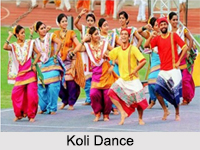
Koli Dance
A folk-dance form of Maharashtra, the Koli dance is mainly performance by the Koli community of the region. Known for their primary profession of fish...
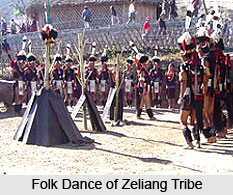
Folk Dances of Nagaland
Folk Dances of Nagaland reflects the naga tradition and culture of the local habitants. In most of the cases, naga dances are monopoly of men with som...
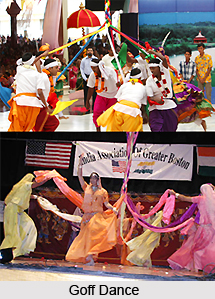
Goff Dance
Goff dance of Goa is performed during the Shigmo festival in the month of Phalgun in Hindu calendar. Goan peasants mainly practice this dance after th...
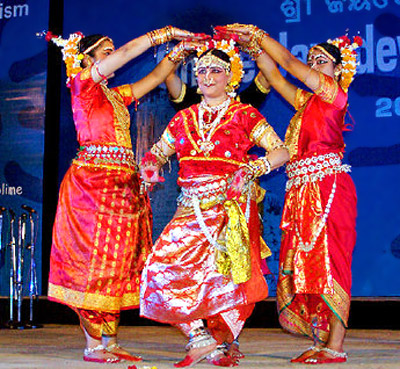
Abhinaya Chandrika
Abhinaya Chandrika is an ancient text on Odissi dance that explain every minute details of Odissi performance. The text explains about different mudra...
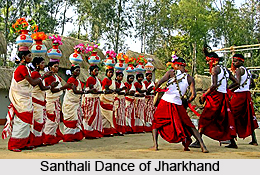
Santhali Dance
Santhali dance is a vibrant folk tradition of the Santhal tribe, reflecting the deep connection of the Santhal tribe with nature, community, and celeb...
Related articles in Indian Dances
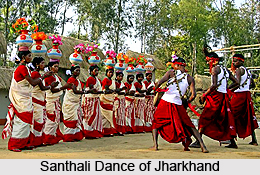
Santhali Dance
Santhali dance is a vibrant folk tradition of the Santhal tribe, reflecting the deep connection of the Santhal tribe with nature, community, and celeb...
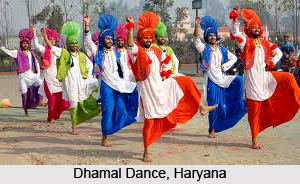
Dhamal Dance
A folk dance form of Haryana, the Dhamal Dance has its roots in the days of the Mahabharata. This dance form is primarily performed by men in the outd...
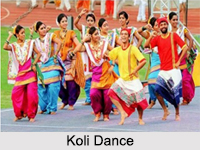
Koli Dance
A folk-dance form of Maharashtra, the Koli dance is mainly performance by the Koli community of the region. Known for their primary profession of fish...
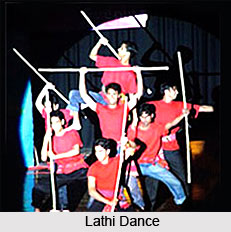
Lathi Dance
Lathi dance is a dance form of West Bengal performed on the occasion of Muharram.
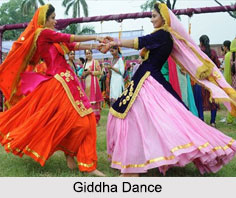
Giddha Dance
Giddha Dance of Punjab, performed only by the women, is a very popular folk art form in India. During Lohri, the Punjabi women reveal their joy throug...