Introduction

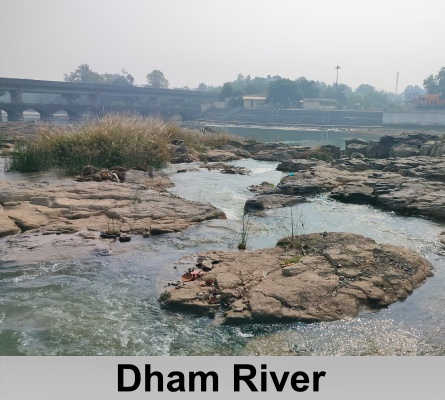
Dham RiverThe Dham River flows through the Arvi taluka of Maharashtra and serves as a vital water source for the region. It caters to nearly half of the population of Wardha city and also supports the needs of ten Gram Panchayats, along with parts of the neighboring Yavatmal district. Originating from the Dhaga Reserve Forest, the river plays an important role in sustaining local communities and ecosystems. 

One of the notable landmarks along the river is the road-over-bridge connecting Wardha and Nagpur, which serves as a key transportation link in the area. The river is also closely associated with the renowned Paunar Ashram, founded by Vinoba Bhave. Popularly known as Vinoba Bhave's Ashram, Paunar Ashram attracts visitors from across the country as a place of tourism, spirituality, and pilgrimage.


Course of Dham River

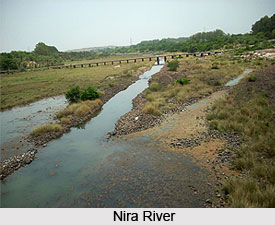
The Dham River originates in the Dhaga Reserve Forest and flows through the region before eventually joining the Bor River near the village of Sawangi. As an important tributary, it contributes significantly to the hydrological network that feeds the larger Wardha and Godavari river basins. 

A notable feature of the river's course is its confluence with the Bor River near Sawangi. This meeting point, known locally as a sangam, holds considerable cultural and spiritual significance for the surrounding communities. Revered by local residents, the confluence is regarded as an important landmark and reflects the deep connection between the region's natural waterways and its cultural heritage.

Dham Dam Project

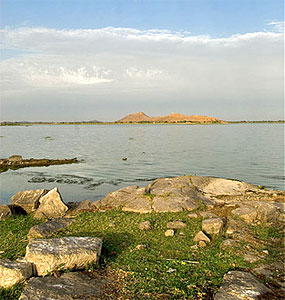
Dham Dam is an earth-fill dam constructed on the Dham River near Arvi in Maharashtra's Wardha district. The reservoir created by the dam is particularly distinctive, as its shape resembles that of an imaginary dragon or a peacock when viewed from above. This unique appearance adds to the visual appeal of the structure and its surrounding landscape. 

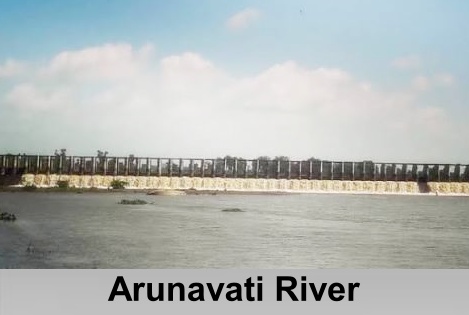
Designed as a spillway-type dam without gates, Dham Dam stands at a height of 33.35 meters above its lowest foundation and extends 1,728 meters in length. The project plays a crucial role in supporting the region's agricultural activities by providing a reliable source of water for irrigation. As a result, the Dham Dam Project has become an important component of the local water management system, contributing significantly to the livelihoods of farming communities in the area.

Significance of Dham River

Dham River serves as a vital lifeline for communities across the region, playing an essential role in meeting the water needs of both urban and rural populations. It supplies nearly half of the drinking water requirements of Wardha city. In addition to supporting domestic consumption, the river is heavily depended upon by local farmers for agricultural irrigation, sustaining livelihoods and contributing to the region's agrarian economy. 

Recognizing the river's critical importance, several initiatives have been undertaken to preserve and restore its health. Among these efforts, the Naam Foundation has played a significant role by implementing large-scale desilting and river rejuvenation projects. These initiatives aim to enhance the river's water storage capacity, improve water availability, and strengthen agricultural productivity, thereby supporting the long-term economic and environmental well-being of the region.

Landmarks on Dham River

Dham River is associated with two prominent landmarks that highlight both the region’s infrastructure and its cultural heritage. The Dham River Bridge and the historic Paunar Ashram are the landmarks on this river. Constructed in 1964, the Dham River Bridge stands as an example of historic engineering, having been built on sturdy stone pillars in the old architectural style. The bridge serves as an important transportation link, carrying a substantial volume of heavy vehicular traffic and facilitating connectivity from Madhya Pradesh to Hyderabad. 

The river flows beside the renowned Paramdham Ashram, more commonly known as Paunar Ashram. Established by the noted independence activist Vinoba Bhave, the ashram holds a distinguished place in India’s social and spiritual history. It gained prominence as the headquarters of the historic Bhoodan Movement, which advocated voluntary land donations for the welfare of the landless. Surrounded by a serene natural setting, the ashram is home to ancient sculptures and the Brahma Vidya Mandir, a unique women-led community dedicated to sustainable agriculture, spiritual learning, and self-reliance.