In recent years, changing environmental conditions and
irregular rainfall patterns have significantly affected river systems
across the region. Many rivers that once flowed throughout the year have
gradually become seasonal, carrying water only during periods of adequate rainfall.
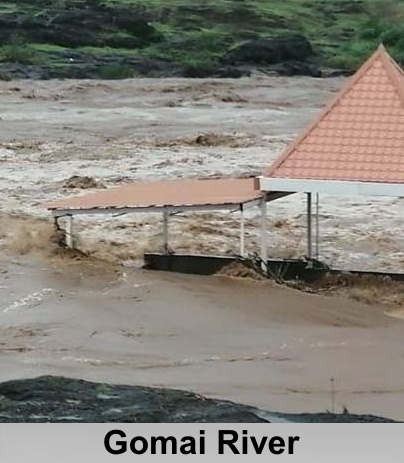
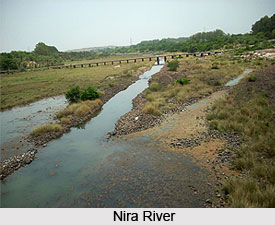
The Gomai River is among those impacted, now flowing primarily during the
monsoon season when sufficient precipitation replenishes its channel.
The reduced flow of the river contributed to growing water
scarcity in surrounding communities, prompting efforts to improve groundwater
recharge and restore water availability. As part of an experimental initiative,
a section of the Gomai River's bed was selected for ploughing. The objective
was to increase the riverbed's capacity to absorb and retain rainwater, thereby
enhancing groundwater levels.
The experiment yielded encouraging results. Following the
ploughing of the riverbed, water levels rose in numerous wells and boreholes
across the area. The process loosened the gravel, mud, and rocky layers within
the river channel, allowing rainwater to seep more effectively into the ground.
This improved infiltration helped replenish underground water reserves and
contributed to a noticeable increase in groundwater availability.
What began as a local initiative led by a farmer soon gained
wider recognition for its success. The approach was subsequently adopted and
promoted by district authorities, including the district collector and the
chief secretary, who encouraged its implementation in other areas through which
the Gomai River flows. The revival of Gomai River became an example of the
strength of community-driven initiative and administrative support to address
water scarcity challenges.