Introduction
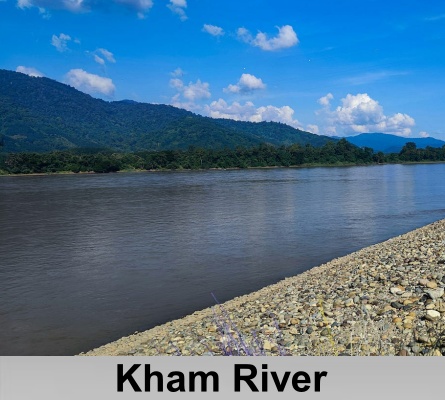
The Kham River is a seasonal watercourse that flows through the Marathwada region of Maharashtra. Originating in the region, the river passes through the historic city of Aurangabad, traversing approximately 8.8 kilometers within the city limits. Stretching for a total length of about 65 kilometers, the Kham River continues its journey across the landscape before ultimately merging with the Godavari River at Nathsagar in Paithan.

Pollution in Kham River
The Kham River flows through the city of Chhatrapati Sambhajinagar, formerly known as Aurangabad, and has long been an integral part of the region's rich history. As a seasonal river, its character changes dramatically throughout the year, transforming into a powerful torrent during the monsoon season and shrinking to a modest flow during the dry months.
Historically, the Kham River played a vital role in sustaining the city. Through an advanced network of stepwells and ancient aqueducts known as Neher, the river supplied clean drinking water to a region often challenged by water scarcity. However, rapid urbanization, population growth, unmanaged waste disposal, and unregulated sand mining gradually degraded the river's health. Over the decades, the Kham became heavily polluted, evolving into a dumping ground that posed significant environmental and public health concerns.
The challenges faced by the Kham River reflected a broader issue affecting many seasonal urban rivers across India. By 2020, the river had reached a critical state, prompting action from a coalition of community organizations and city-led groups. Together, they launched a comprehensive restoration initiative aimed at reviving the river's ecological functions and reestablishing its importance within the urban landscape. The effort extended beyond environmental rehabilitation, seeking to spark a cultural revival by reconnecting residents with the river that had once shaped the city's development.
As a result of these restoration efforts, several formerly polluted sites along the river have been transformed into ecological parks that now serve as vibrant community spaces and thriving natural habitats. The Kham River has also achieved a significant milestone by becoming the first seasonal river in India to be equipped with an Urban River Management Plan under the River Cities Alliance, setting a precedent for sustainable river management and urban ecological restoration across the country.
Conservation of Kham River
Kham River is a 60-kilometer tributary of the Godavari River, once meandered through Chhatrapati Sambhajinagar and the surrounding district as a vital natural resource. Over time, however, rapid urban growth, unchecked pollution, and inadequate waste management caused the river to deteriorate significantly, reducing it to an open drain.
Recognizing the urgency of the situation, local authorities and stakeholders embarked on an ambitious river restoration initiative built around a comprehensive four-pillar strategy. The project began with an extensive assessment of the river's condition, including the mapping of 249 sewage discharge points and the identification of hidden freshwater springs that could support ecological recovery.
A key focus of the restoration effort was eliminating the direct discharge of untreated sewage into the river. To achieve this, Sewage Treatment Plants (STPs) were established to ensure wastewater was treated before being released. At the same time, stricter regulations governing industrial waste disposal were introduced, accompanied by penalties for violations to improve compliance and reduce pollution.
Environmental restoration formed another critical component of the initiative. Native tree species were planted along the riverbanks to strengthen soil stability and prevent erosion. Efforts were also undertaken to restore aquatic ecosystems, encourage the return of native species, and conserve biodiversity throughout the river corridor.
Community participation played a vital role in the success of the project. Volunteers, environmental advocates, and students actively engaged in river clean-up drives, while awareness campaigns educated residents about responsible waste disposal practices and the importance of protecting urban waterways.
The restoration initiative produced notable results. Water quality improved significantly, with a marked reduction in pollutants and contaminants. The river ecosystem began to recover, leading to the return of fish, birds, and aquatic vegetation that had previously declined. Furthermore, riverbank stabilization measures helped reduce soil erosion and mitigate flooding risks, enhancing the area's sustainability and safety during the monsoon season. Today, the Kham River restoration project stands as a compelling example of a powerful coordinated environmental action, infrastructure investment, and community engagement that revive degraded urban rivers.

Community Awareness and Recognition
Volunteers, environmentalists, and students came together to take part in clean-up drives aimed at restoring the health of the river and its surrounding environment. These efforts were complemented by awareness campaigns that educated residents about sustainable waste disposal practices and encouraged greater environmental responsibility within the community.
Beyond ecological restoration, the project also sought to strengthen the connection between people and the river. Through the development of eco-parks and thoughtfully designed public spaces, the initiative promoted responsible tourism while creating areas that were both environmentally sustainable and accessible to visitors.
The Kham River Restoration Project gradually emerged as a
notable example of sustainable urban river rejuvenation. Its integrated
approach, combining environmental conservation, public participation, and urban
development, demonstrated how degraded waterways could be successfully
transformed into valuable community assets. The project's achievements earned
recognition from environmental organizations and government agencies, serving
as a model for similar river restoration initiatives across India.
Kham River Eco Park
As part of a broader river restoration initiative, the
development of the eco-park commenced in January 2021. The project reached a
significant milestone when it was officially inaugurated on 26 January 2022 by
the Minister of Environment, Climate Change and Tourism, Government of
Maharashtra. Stretching along the river for approximately 1.25 kilometers and
spanning 10.5 acres, the eco-park was designed to enhance the area's ecological
and recreational value. Today, it features a variety of eco-recreational spaces
that offer visitors an immersive experience of nature, making it a notable
attraction in Aurangabad.