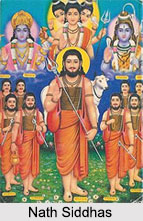
 Nath Siddhas are the nine saints from Hinduism who attained Mantra Siddhi. The Naths brought to light different systems of tantric practice that were aimed at the transubstantiation of the human body into a divine immortal body.
The North Indian tradition has listed down 9 Naths and 84 Siddhas in its ancestry. Most of these 84 Siddhas appeared in the Buddhist tantric tradition, where it is sometimes said that they practiced Hindu Tantra by day and Buddhist Tantra at night. Central to their methods were the practices of Hatha, Kundalini Yoga and Alchemical Yogas.
Origin of Nath Siddhas
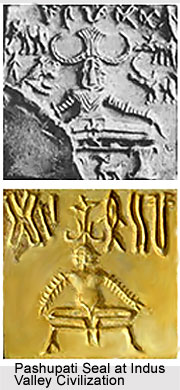
The word "Nath" is derived from the name of Lord Shiva and its literal meaning is "Lord". The tradition of the 9 Nath Siddhas is derived from the flowering of Shaivite Tantra dating back in the 10th century. The Naths are believed to be the descendants of earlier cults including the Pashupatas, Kapalikas and Siddhas.
9 Nath Siddhas
The Nath Siddhas are mentioned in the religious scriptures and greatly revered for their Tantric and Yogic achievements. The 9 Nath Siddhas are as follows:
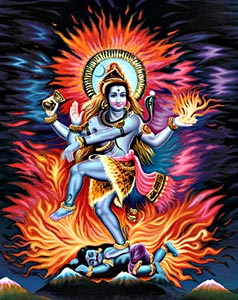
Shri Adinath: Lord Shiva as Shri Adinath is considered to be the primordial Guru who is Jyoti Swarupa. He is beyond form, identified with emptiness and infinite light.
Nath Siddha Matsyendranath: Shri Matsyendranath is Gorakhnath"s teacher. He is Maya-Swarupa and Matsya Swarupa. He is the founder of the Kaula Tradition.
Nath Siddha Gorakhnath: Gorakhnath is a disciple of Matsyendranath, the founder of the Nath tradition and patron saint of yogis. Gorakshanath is considered to be Shiva Swarupa.
Shri Achal Achambhenath: Sri Achal Achambhenath is known as an incarnation of Ananta Shesha and the patron of Alchemy. According to legend, Shiva Adinath bestowed the knowledge of Yoga upon Shesha in appreciation for his service.
Nath Siddha Chauranginath: There is a legend of how Shiva drank the poison, which led Chandra to obtain immortal yoga form. At that time, Chandra was dwelling on the head of Shiva and he did not allow the poison to go to Shiva"s head. As a reward for this act Shiva Adinath initiated Chandra as Chauranginath.
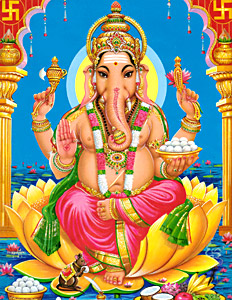
Shri Gajabeli Gajakantharnath: Adinath asked Lord Ganesha for the form of Nath. Adinath said that he will be embodied on the Earth, where he will be named Gajabeli Gajakantharnath.
Shri Santoshnath: Manifesting itself from the pillar of fire during a dispute of Lord Vishnu and Lord Brahma, Gorakshanath predicted to Vishnu that he will be embodied on earth as Santoshnath.
Shri Satyanath: Satyanath was a founder of one of the Nath Panth. The knowledge of tantra, mantra, rasayana, alchemy, Ayurveda is associated with him.
Shri Udayanath: Udayanath symbolizes rising Kundalini. Udayanath is Shakti Swarupa. He is a universal force that forms all the material and spiritual bodies, including the body of Lord Shiva.