 Nath cult seems to have had as object the attainment of mystic powers by practicing Hatha Yoga. Hatha Yoga is mental concentration that is accompanied by gymnastic postures of the body. It was a Shaivaite cult that is mixed with Tantrism and debased Buddhism. They are riotous with mystery, magic and mantra. Its chief saints were Minanath also known as Matsyendranath.
He is the founder of the cult. Other saints include Goraksanath, Haripa and Kanupa. The followers mainly belong to lower classes and they were called Yogis. Nath cult is believed to have originated in Bengal. The establishment of the Nath as a cult began around the 8th or 9th century. There are several stories attached to the origin of Nath teachings. Matsyendranath was swallowed by a fish. While he was inside the fish he overheard the teachings given by Lord Shiva to his wife Parvati. In the form of a fish, Matsyendranath absorbed the teachings of Shiva. After being rescued by another fisherman he took initiation as a sannyasin from Siddha Carpati.
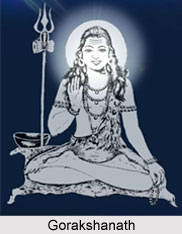
His two most important disciples were Chaurangi and Gorakshanath. Gorakshanath is considered to have been the most influential of the ancient Naths. The Nath cult does not recognize caste barriers. Their teachings were adopted by all. The unorthodox Nath tradition has many sub-sects though all honor Matsyendranath and Gorakshanath as the founders of the tradition.
The Natha cult is traditionally divided into twelve streams. The twelve streams are as follows: Satya natha, Dharam natha, Daria natha, Ayi Panthia, Vairaga kea, Rama ke, Kapilani, Ganga nathi, Mannathi, Rawal ke, Paava panth and Paagala panthi.
The Natha cult is an initiatory Guru-shishya custom. Members are always conferred by initiation by a guru. The initiation is conducted inside a formal ceremony in which some portion of the awareness and spiritual energy of the Guru is conveyed to the shishya. The primary aim of the ancient Nath Siddhas was to achieve liberation.
This article is a stub. You can enrich by adding more information to it. Send your Write Up to content@indianetzone.com