
One of the oldest sects, the cult of Pashupatas worship Siva (Pashupati). The others being Kapalikas, Kalamukhas and the Saivas. It is generally held that the Kalamukhas were an offshoot of the Pashupatas and there are many similarities between both these sects such as the reverence of the preceptor named Lakulisha, who was possibly the founder of this cult. Members of both these groups also had similar names and Sriparvata in Andhra Pradesh was a main religious centre for both these sects.
The Kalamukhas lived in various parts of South India especially in Karnataka and Andhra areas during the 11th, 12th and the early part of the 13th century although many have associated the Kalamukhas with the Kapalikas, there were actually some basic differences in the cult and rituals of these two sects. It appears that the Kalamukhas were not as heretical as the Kapalikas although they did bathe in ashes of corpses like the former. The Pashupati Sutra, a famous work composed by Lakulisha, which was held in very high esteem by the Kalamukhas states that bathing in ashes is one of their most important rituals. They were called Kalamukha (black-faced) as they covered their foreheads with a black streak and were also known as the Maha Vratins because they, like the Kapalikas, undertook several austere vows.
Numerous grants to Kalamukha shrines have been found in the Karnataka area and the inscriptions mention a lot about their doctrines. Some inscriptions also point to their existence in the ancient Tamil country. A big matha (monastery) for the Kalamukhas existed at a place named Kodumbalur in present day Pudukkottai district of Tamil Nadu to which donations were made by the chieftains of Kodumbalur who were vassals of the Cholas of Tanjavur. Sriparvata in Kurnool district of Andhra Pradesh was a stronghold of the Kapalikas, but later became a centre of the Kalamukhas. There were two main sects of the Kalamukhas, namely the Shakthi-Parishad and the Simha-Parishad and historical sources seem to reveal that the former was the more important of the two.
Pashupatas and Kalamukhas - Ancient Saivite Sects
The Kalamukhas lived mainly in the Karnataka and Andhra areas during the 11th, 12th and 13th century.
Recently updated articles in Religion in India
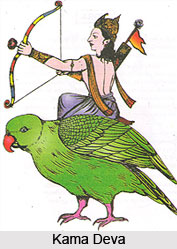
Kusumayudha
Kusumayudha is a name of Kamadeva, the Hindu God of Love. Depicted with a sugarcane bow and flower-tipped arrows, he represents attraction and longing...
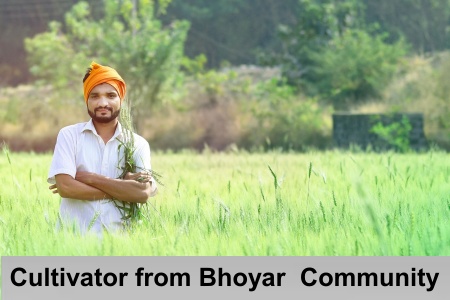
Bhoyar Caste
Bhoyar Caste is largely found in the Central Provinces of the country. Traditional occupation of Bhoyars is agriculture. They are good cultivators and...
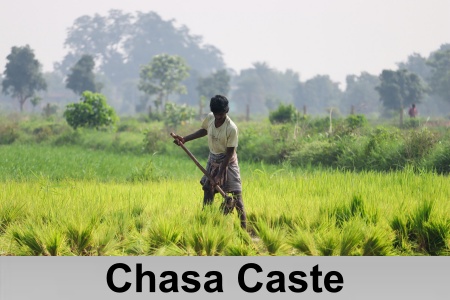
Chasa Caste
Chasa caste is a prominent agrarian community native to Odisha. Traditionally associated with cultivation and farming, Chasas have historically played...
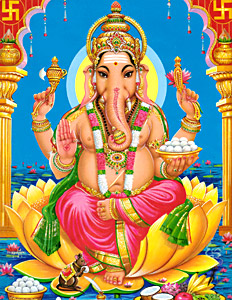
Vigneswara, A Form of Lord Ganesha
Lord Vigneswara is another form of Lord Ganesha or Vinayaka, prominently worshipped as the God of intelligence and good luck in the Indian subcontinen...
Maheswara
Maheswara, meaning “the Great Lord,” is a revered name of Lord Shiva in Hindu tradition. It represents Shiva’s supreme authority over creation, preser...
Related articles in Religion in India
Religion in Indus Valley Civilization
Religion in Indus Valley Civilisation included Hinduism, Buddhism and Jainism. Details about the religion in Indus Valley Civilization have been gathe...
Iyer Brahmin
Iyer Brahmins are originally from Tamil Nadu of South India. They are known for their adherence to Advaita philosophy and Smarta traditions. Tradition...
Kumbhakar / Kumhar Caste
Kumbhakar or Kumhar caste is a traditional artisan community in India known for pottery making. Derived from Sanskrit word Kumbhakar, meaning potter,...

Gujjars in Mughal Era
Gujjars in the Mughal era enjoyed great power. Further their power increased with the decline of Aurangzeb, Mughal emperor.
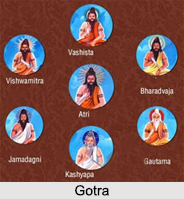
Gotra in Hinduism
In Hinduism, gotra refers to a lineage system tracing descent from ancient sages, primarily through the paternal line. Originating from Vedic traditio...