
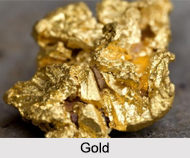
 Gold is a precious metal but in India at present the reserves of gold ore are low. Gold mining in India has a long history and official records have confirmed that old gold mine sites are found which are of two hundred years old. Gold occurs in nature as native gold. It may be found as a constituent of solid rock (a lode deposit), as flakes, grains or nuggets of native gold in sands and gravels (a placer deposit) eroded from the original merit-rock. Gold is one of the least reactive chemical elements, solid under standard conditions.
Gold
Gold is used extensively for jewellery and many other articles. India is the largest importer and consumer of Gold but Gold mining remains at a low level.
Introduction
Gold is a precious metal but in India at present the reserves of gold ore are low. Gold mining in India has a long history and official records have confirmed that old gold mine sites are found which are of two hundred years old. Gold occurs in nature as native gold. It may be found as a constituent of solid rock (a lode deposit), as flakes, grains or nuggets of native gold in sands and gravels (a placer deposit) eroded from the original merit-rock. Gold is one of the least reactive chemical elements, solid under standard conditions.Tracing of Gold Mines
India"s domestic gold production was at 3.05 tonnes during the financial year 2006. The low production of gold have adversely affected the economy of the country and the government has asked domestic gold miners to actively survey joint venture with foreign companies to speed up exploration of the yellow metal within the country. In India, identification of gold bearing zones is done by gathering rock chip specimens from favourable places for gold mineralisation while planning the geological chart of the region. In case the rocks are not exposed stream sediment sampling method is implemented to spot the gold anomalous areas.
Gold Mines in India
India is the largest importer and consumer of Gold but Gold mining remains at a low level. Following are the names and locations of the Gold Mines in India:
• Karnataka: Kolar Gold field has been functioning since from1871 when mining first started in Ooregum mines, Hutti, Topuldedi and wondalli. The Hutti gold mines, which is owned by the government of Karnataka expects its gold production to touch 3.5 tonnes in 3 to 5 years from now, from the current 2.8 tones. It is the only company in India which produces gold by mining and processing the gold ore.
• Andhra Pradesh: The Ramagiri Gold field mine is situated in Anantpur district of Andhra Pradesh.
Present gold-producing centres of India have observed very old and modern mining activities. Largest resources of gold ore (primary) are located in Bihar followed by Karanataka, Rajasthan, West Bangal, Andhra Pradesh, Madhya Pradesh, etc. Karnataka remained on the top followed by Rajasthan, West Bengal, Bihar and Andhra Pradesh.
• Karnataka: Kolar Gold field has been functioning since from1871 when mining first started in Ooregum mines, Hutti, Topuldedi and wondalli. The Hutti gold mines, which is owned by the government of Karnataka expects its gold production to touch 3.5 tonnes in 3 to 5 years from now, from the current 2.8 tones. It is the only company in India which produces gold by mining and processing the gold ore.
• Andhra Pradesh: The Ramagiri Gold field mine is situated in Anantpur district of Andhra Pradesh.
Present gold-producing centres of India have observed very old and modern mining activities. Largest resources of gold ore (primary) are located in Bihar followed by Karanataka, Rajasthan, West Bangal, Andhra Pradesh, Madhya Pradesh, etc. Karnataka remained on the top followed by Rajasthan, West Bengal, Bihar and Andhra Pradesh.
Processing of Gold
Gold is purified by heating its leaves and cooling them alternately with Kanjika, oil, cow"s urine, buttermilk and a decoction of horsegram. Gold is reduced to powder by being rubbed with mercury and exposed to heat in a covered crucible with the addition of sulphur. 2 parts of mercury and 1 of leaf-gold are rubbed together into a mass with lemon juice and placed in a crucible with 3 parts of sulphur. The crucible is then covered and exposed to heat. This process of mixing the gold with mercury and exposing to heat is repeated 14 times, when the gold completely loses its metallic character. Gold thus prepared for medicinal use is considered a valuable tonic and alterative.
Benefits of Gold
Gold is said to increase strength and beauty, to improve the intellect and memory, to clear the voice and to increase the sexual powers. It is used in fever, consumption, insanity, diseases of the nervous system and urinary organs, impotence, etc.
Dose of Gold in Medicine
Gold is much used as an alterative tonic. Prepared gold in doses of 2 grains daily with the addition of honey, ghee and emblic myrobalan, or root of Acorus Calamus (vacha) is recommended to be taken for a lengthened period. It is also given to infants under an impression that it will impart strength and beauty to their frames. The following composition is recommended for them. Take powdered gold, root of Acorus Calamus (vacha) and Aplotaxis awriculata (kushtha), chebulic myrobalans, and leaves of Herpestes Monniera (brimhi) equal parts, powder and mix. Dose should be 2 grains with honey and ghee. It is recommended to be given to feeble infants a few days after birth.
Jayamangala Rasa: Take mercury obtained by sublimation, cinnabar, sulphur, borax, prepared copper, tin, iron pyrites, rock salt, black pepper, prepared iron and silver, each 1 part, prepared gold 2 parts, powder them well, mix and soak the mixture 3 times respectively in the juice of datura leaves, and leaves of Nyctanthes Arbor-tristis (sephalika), in the decoction of dasamula and chiretta. Divide the mass into 4 grain pills. They are taken with cumin seed powder and honey. Dose should be 1 to 2 grains. This medicine is used in old chronic fevers of all sorts and is said to be a powerful tonic and alterative, that may be administered with suitable adjuncts in many diseases.
Mriganka Rasa: Take mercury 1 part, prepared gold 1 part, sulphur and pearls each 2 parts, borax one-fourth part, rub them together and beat into a ball with Kanjika. This is dried, enclosed in an earthen crucible and exposed to heat within a pot of rock salt in the manner of a hot sand-bath for 12 hours. When cool the ball is taken out from the crucible and reduced to powder. It is administered in doses of 1 to 4 grains with about a scruple of black pepper in phthisis. Two other preparations used in this disease, and called Pottali Hemagarbha Rasa and Ratnagarbha Pottali Rasa, respectively, are similar in composition to the Mriganka Rasa.
Suvarna Parpati: Take mercury 8 tolas, gold 1 tola, rub them together and then add sulphur 8 tolas and mix. Melt the mixture over the fire in an iron ladle smeared with ghee, and press the melted fluid between cow dung balls enclosed in plantain leaves in the manner described under Rasa Parpati, so as to make thin round disks of it. Dose should be 2 grains, gradually increased to 10 grains in the course of 21 days, to be again gradually reduced to the original dose of 2 grains in another 3 weeks.
Makaradhwaja: To prepare it, take leaf-gold 1 tola, mercury 8 tolas, beat into a mass, then add sulphur 16 tolas, and rub together till the mass becomes black. Flub this mass repeatedly with the juice of the red cotton flower and of Aloe Indica and dry. Now take a bottle with a flat bottom, wrap it with layers of cloth and clay to strengthen it, and dry. Place the mixture of gold, mercury and sulphur at the bottom of the bottle, insert it in a sand-bath up to its neck and cover the mouth lightly with a piece of chalk. Apply heat gently at first. When the process of sublimation commences the heat should be increased, and the chalk-stopper removed. The sulphur now burns with its characteristic blue flame at the mouth of the bottle and a red sublimate collects below its neck. The narrow neck of the bottle is apt to be closed with sulphureous deposits and when there is this tendency, it should be cleared with an iron rod. When done, the bottle is broken and the sublimate is extracted from its neck in the shape of shining dark red scales. In this process the sulphur and mercury are sublimed in the form of red sulphide, and the gold remains at the bottom of the bottle. The latter may be used again in the preparation of Makaradhwaja or converted into powdered gold. Makaradhwaja is administered in doses of 1 grain daily with honey or other suitable adjuncts in nervous debility, weakness of brain from excessive mental labour, habitual costiveness, general debility, female complaints after delivery, spermatorrhoea, etc.
Chandrodaya Makaradhwaja: When Makaradhwaja is administered as an aphrodisiac, it is usual to mix it with some stimulant drugs, the resulting preparation being called Chandrodaya Makaradhwaja. Thus take Makaradhwaja 1 part, camphor, nutmegs, black pepper, and cloves, each 4 parts, musk one-sixteenth part, mix together and make into pills about 10 grains each. These pills are enclosed or wrapped in betel leaves and chewed. Along with this medicine a generous diet consisting of meat, ghee, milk, pulses, etc., should be taken. It is used in nervous debility, impotence, premature old age etc.
Jayamangala Rasa: Take mercury obtained by sublimation, cinnabar, sulphur, borax, prepared copper, tin, iron pyrites, rock salt, black pepper, prepared iron and silver, each 1 part, prepared gold 2 parts, powder them well, mix and soak the mixture 3 times respectively in the juice of datura leaves, and leaves of Nyctanthes Arbor-tristis (sephalika), in the decoction of dasamula and chiretta. Divide the mass into 4 grain pills. They are taken with cumin seed powder and honey. Dose should be 1 to 2 grains. This medicine is used in old chronic fevers of all sorts and is said to be a powerful tonic and alterative, that may be administered with suitable adjuncts in many diseases.
Mriganka Rasa: Take mercury 1 part, prepared gold 1 part, sulphur and pearls each 2 parts, borax one-fourth part, rub them together and beat into a ball with Kanjika. This is dried, enclosed in an earthen crucible and exposed to heat within a pot of rock salt in the manner of a hot sand-bath for 12 hours. When cool the ball is taken out from the crucible and reduced to powder. It is administered in doses of 1 to 4 grains with about a scruple of black pepper in phthisis. Two other preparations used in this disease, and called Pottali Hemagarbha Rasa and Ratnagarbha Pottali Rasa, respectively, are similar in composition to the Mriganka Rasa.
Suvarna Parpati: Take mercury 8 tolas, gold 1 tola, rub them together and then add sulphur 8 tolas and mix. Melt the mixture over the fire in an iron ladle smeared with ghee, and press the melted fluid between cow dung balls enclosed in plantain leaves in the manner described under Rasa Parpati, so as to make thin round disks of it. Dose should be 2 grains, gradually increased to 10 grains in the course of 21 days, to be again gradually reduced to the original dose of 2 grains in another 3 weeks.
Makaradhwaja: To prepare it, take leaf-gold 1 tola, mercury 8 tolas, beat into a mass, then add sulphur 16 tolas, and rub together till the mass becomes black. Flub this mass repeatedly with the juice of the red cotton flower and of Aloe Indica and dry. Now take a bottle with a flat bottom, wrap it with layers of cloth and clay to strengthen it, and dry. Place the mixture of gold, mercury and sulphur at the bottom of the bottle, insert it in a sand-bath up to its neck and cover the mouth lightly with a piece of chalk. Apply heat gently at first. When the process of sublimation commences the heat should be increased, and the chalk-stopper removed. The sulphur now burns with its characteristic blue flame at the mouth of the bottle and a red sublimate collects below its neck. The narrow neck of the bottle is apt to be closed with sulphureous deposits and when there is this tendency, it should be cleared with an iron rod. When done, the bottle is broken and the sublimate is extracted from its neck in the shape of shining dark red scales. In this process the sulphur and mercury are sublimed in the form of red sulphide, and the gold remains at the bottom of the bottle. The latter may be used again in the preparation of Makaradhwaja or converted into powdered gold. Makaradhwaja is administered in doses of 1 grain daily with honey or other suitable adjuncts in nervous debility, weakness of brain from excessive mental labour, habitual costiveness, general debility, female complaints after delivery, spermatorrhoea, etc.
Chandrodaya Makaradhwaja: When Makaradhwaja is administered as an aphrodisiac, it is usual to mix it with some stimulant drugs, the resulting preparation being called Chandrodaya Makaradhwaja. Thus take Makaradhwaja 1 part, camphor, nutmegs, black pepper, and cloves, each 4 parts, musk one-sixteenth part, mix together and make into pills about 10 grains each. These pills are enclosed or wrapped in betel leaves and chewed. Along with this medicine a generous diet consisting of meat, ghee, milk, pulses, etc., should be taken. It is used in nervous debility, impotence, premature old age etc.
Recently updated articles in Geography of India
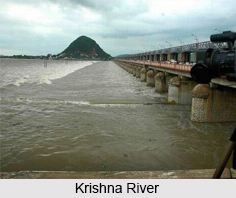
Krishnaveni River
The Krishnaveni River, presently known as the Krishna River, is one of India’s major rivers. Originating in the Western Ghats of Maharashtra, it flows...

Wakal River
The Wakal River is an important tributary of the Sabarmati River, originating in Rajasthan’s Aravalli Range and flowing through Rajasthan and Gujarat....
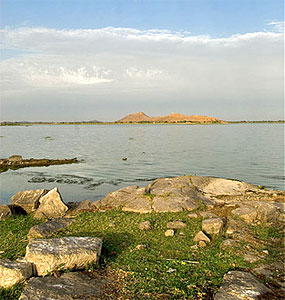
Pahuj River
Pahuj River is an important tributary of the Sindh River that flows through the Indian states of Madhya Pradesh and Uttar Pradesh. Originating in the...
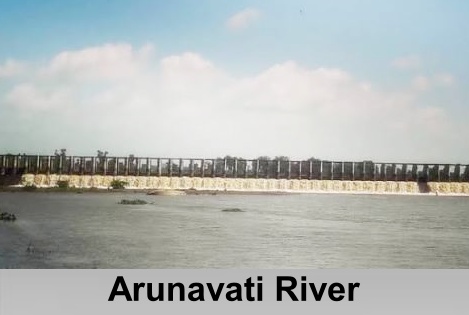
Arunavati River
Arunavati River is a seasonal right-bank tributary of the Tapi River, flowing through parts of Madhya Pradesh and Maharashtra. Originating in the Satp...
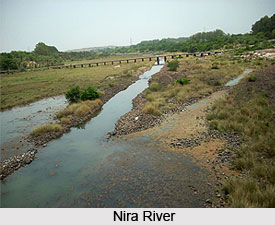
Nira River
Nira River is an important tributary of the Bhima River flowing through Maharashtra. Originating in the Western Ghats, it traverses Pune, Satara, and...
Related articles in Geography of India
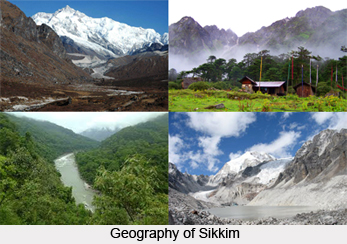
Geography of Sikkim
Geography of Sikkim is characterised by a vast array of magnificent hillock that extends from one corner of the state to the other.
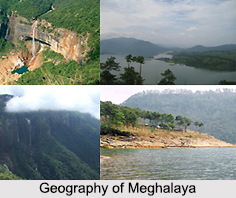
Geography of Meghalaya
The suitable climate, highland plateaus, rivers and the flora and fauna together forms the geography of Meghalaya.
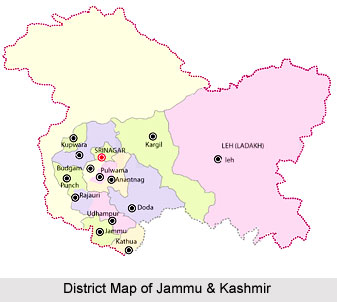
Geography of Jammu & Kashmir
Jammu and Kashmir is encompassed by valleys. Some of the dominant valleys of the state are Kashmir Valley, Tawi Valley, Chenab Valley, Poonch Valley,...
Narmada River
Narmada River is regarded as the 5th longest river of India and the life line of Madhya Pradesh. Narmada River basin spreads over an area of about 98,...
Bhima River
The Bhima River is the largest tributary of the Krishna River and is significant in the western and southern Indian states.