Anganyasa and Karanyasa are two similar but separate mantras mainly chanted in the early hours of the morning by the Brahmans. These mantras are uttered with certain motions of their fingers and also touching various parts of their bodies.
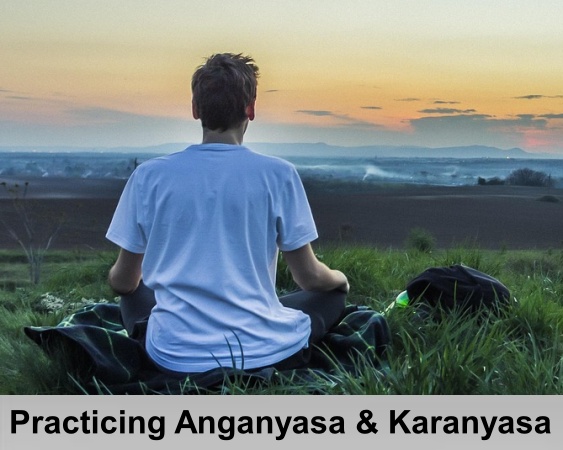

Anganyasa and Karanyasa are preparatory rituals in Hindu worship that sanctify the body and hands through the recitation of sacred mantras and symbolic gestures. Anganyasa consecrates the major limbs, while Karanyasa purifies the fingers and palms, preparing the devotee to invoke divine presence and perform worship with spiritual awareness and devotion.
Anganyasa and Karanyasa are preparatory rituals in Hindu worship that are performed to spiritually purify the body and invoke the presence and energy of a deity. Karanyasa is centered on the hands and fingers, symbolically sanctifying them for ritual actions, while Anganyasa involves the major limbs and other significant parts of the body, consecrating them as vessels for divine presence.
Anganyasa and Karanyasa are performed to invoke the presence
of the deity within the devotee. According to traditional Hindu belief, the
human body contains 72,000 nadis (subtle energy channels), whose terminal
points are concentrated at the fingertips. Since it is not possible to ritually
sanctify each nadi
individually, the fingertips are touched during these rituals as a symbolic
means of invoking divine energy throughout the entire body. Through this act,
the devotee prepares the body as a sacred vessel for the deity's presence.
Anganyasa is a ritual practice through which the seeker, by combining intentional thought with certain physical gestures, symbolically sanctifies the body as a divine temple and invokes the presence of various deities within it. This process is intended to help the seeker recognize that although the deity is initially worshipped as an external idol, the ultimate spiritual objective is the realization of the essential unity between the individual self and the Divine. This culmination of non-dual awareness, in which all sense of separation is transcended, is expressed in the Mahavakyas, the great declarative statements of the Upanishads.
Practicing Anganyasa: Anganyasa establishes
divine consciousness within six principal bodily locations. During the ritual,
the devotee performs specific hand gestures or mudras while reciting
corresponding portions of a sacred mantra. The sequence begins with touching
the heart using the right palm, followed by touching the head with the
fingertips. The crown of the head (Shikha) is then touched at the back
of the head. To symbolize the protective armor (Kavacha), the hands are
crossed over the chest to touch the opposite shoulders. The eyes (Netra)
are touched using the index, middle, and ring fingers. Finally, the Astra
(weapon) gesture is performed by circling the right hand around the head and
striking it against the left palm, symbolically creating a protective shield
around the devotee.
Karanyasa is a ritual practice that establishes divine energy within the palms and fingers, sanctifying the hands for sacred acts of worship. During the ritual, the devotee recites specific segments of a mantra while using the thumb of the right hand to sequentially touch or stroke the fingers of both hands, including their front and back surfaces. The practice is typically concluded by rubbing the palms together and gently patting the backs of the hands, symbolizing the completion of the ritual consecration.
Practicing Karanyasa: In Karanyasa, specific syllables of a sacred mantra are symbolically placed upon the fingers and palms to invoke the mantra's divine energy into the hands. According to traditional Hindu belief, the fingertips contain the terminal points of the body's subtle energy channels (nadis). By touching these points during the recitation of the mantra, the practitioner symbolically activates and purifies these energy pathways, preparing the hands for sacred ritual actions.
The ritual proceeds by consecrating each part of the hands
in sequence. The thumb is first touched while offering salutations to it,
followed by the index finger,
middle
finger, ring
finger, and little finger.
The ritual concludes with the consecration of both the palms and the backs of
the hands, signifying the complete sanctification of the hands as instruments
of divine worship.
The term Nyasa is derived from the Sanskrit prefix ni and the verbal root as (or as), which together convey the sense of placing, setting down, depositing, or touching. In the context of Hindu ritual practice, Nyasa refers to the symbolic placement or installation of divine power within different parts of the body through the recitation of mantras and ritual gestures. It also signifies the mental consecration of the body by dedicating its various limbs to the protection and presence of divine forces.
In Hinduism, ritual worship traditionally begins with a
process of purification. As an integral part of this preparatory stage, Nyasa
serves to sanctify the body and mind, enabling the devotee to enter the act of
worship with a heightened sense of spiritual
awareness and receptivity.
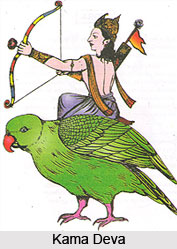
Kusumayudha is a name of Kamadeva, the Hindu God of Love. Depicted with a sugarcane bow and flower-tipped arrows, he represents attraction and longing...
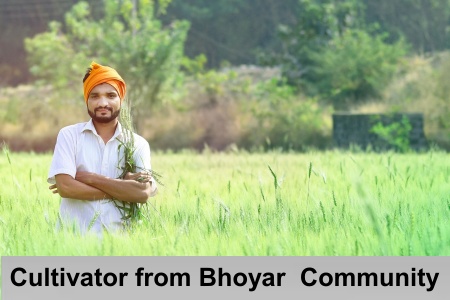
Bhoyar Caste is largely found in the Central Provinces of the country. Traditional occupation of Bhoyars is agriculture. They are good cultivators and...
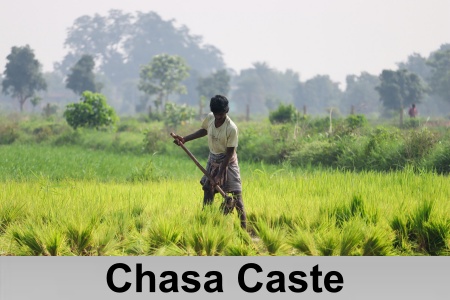
Chasa caste is a prominent agrarian community native to Odisha. Traditionally associated with cultivation and farming, Chasas have historically played...
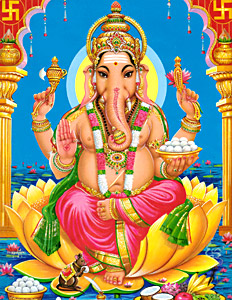
Lord Vigneswara is another form of Lord Ganesha or Vinayaka, prominently worshipped as the God of intelligence and good luck in the Indian subcontinen...
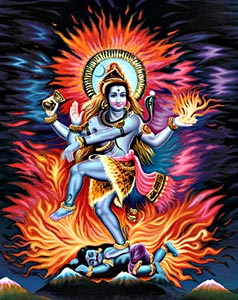
Maheswara, meaning “the Great Lord,” is a revered name of Lord Shiva in Hindu tradition. It represents Shiva’s supreme authority over creation, preser...
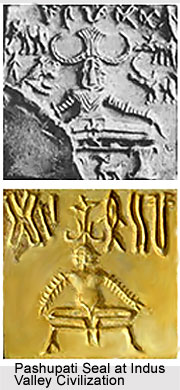
Religion in Indus Valley Civilisation included Hinduism, Buddhism and Jainism. Details about the religion in Indus Valley Civilization have been gathe...
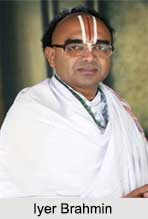
Iyer Brahmins are originally from Tamil Nadu of South India. They are known for their adherence to Advaita philosophy and Smarta traditions. Tradition...
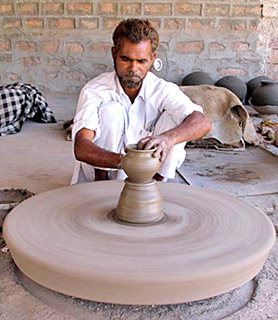
Kumbhakar or Kumhar caste is a traditional artisan community in India known for pottery making. Derived from Sanskrit word Kumbhakar, meaning potter,...

Gujjars in the Mughal era enjoyed great power. Further their power increased with the decline of Aurangzeb, Mughal emperor.
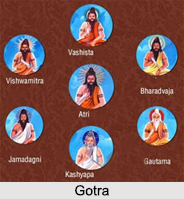
In Hinduism, gotra refers to a lineage system tracing descent from ancient sages, primarily through the paternal line. Originating from Vedic traditio...