 Pilgrimage tourism in Nashik district is a truly enriching experience. There are a number of temples licated here, sacred to the followers of the Hindu and Jain faiths, where the faithful go to pay homage. These various ancient temples are remarkable in construction, and are among the holiest sites in all of India, such as the Trimbakeshwar Temple, where anyone who visits is said to attain salvation. Unique amiong the various places of pilgrimage located here in the distroct is the Shree Ved temple, which has been set up with the purpose of educating students from all over India on the ancient Indian Ved and Puranas. The various places of pilgrimage tourism located in the district of Nashik are discussed below.
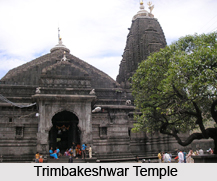
Trimbakeshwar Temple
Trimbakeshwar, one of the holiest places of not only Maharashtra but the whole of India as well, is situated near Nashik. Trimbakeshwar is one of the twelve Jyotirlingas in India. It is believed that anyone who visits Tryambakeshwar attains salvation. The reasons for its being so sacred are - the Godavari river originates in this place, its a place of Tri Sandhya Gayatri, the birth place of Lord Ganesha, a place of the first Nath of Nath Sampradaya consisting of Gorakhnath and others, a place where Nivrittinath was made to imbibe the holy knowledge by his Guru Gahininath and the place where Nivrittinath made his brothers and sister attain the self by his preaching. This is the holiest place to perform Shraddha ceremony. Nirnaya Sindhu - a religious book of the Hindus, mentions that this place, where the Sahyadris Mountain range and Godavari river exist together, is very purifying and is therefore a very important site for performing Shraddha ceremony.
Teertharaj Gajapantha - Chamber Caves
 Nashik city and the surrounding area is famous for many temples, pilgrimage places etc. One of the sacred places for followers of Jainism is Teerthraj Gajpantha , which is at Mhasrul, 16 kms from Nashik Road Railway station and 5 kms from Nashik city. The famous Chamber Caves are a part of this place. It is situated on the top of a small hill which is only 400 ft tall. The staircase, built in black stone leads to the temple and offers a panoramic view. Although the nearby landscape is quite barren, some plantation has been done recently. This is a very serene place, conducive for meditation. Gajapantha Teerth includes a caravanserai, a small hut at the foot of the hill and a temple at the top of the Gajadhwaja Hillock. As per the ancient holy book Shantinath Purana, Mysore`s Chamaraj King installed these statues (600 B.C.) in the temple atop the hill. Thus the caves got the name Chamer Caves or Chambhar Caves in the regional language.
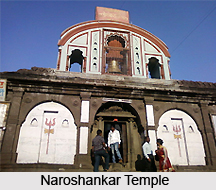
Naroshankar Temple
Situated in Panchavati area about 2 kms from the Central Bus Stand, on the bank of the river Godavari is the Naroshankar Temple of Rameshwar built by Naroshankar Rajebahaddur in 1747. The architectural style of the temple is called Maya. It is one of the most beautiful pieces of architecture of the 18th century. The sculpture on the outer side of the temple is stunning. It has rows of exuberant designs. One layer is of decorative lacework. The next one is that of peacocks holding bead garlands. In four directions are statues of the saints in Padmasana. There is also an assembly of animals - tigers, monkeys, elephant etc. This depicts that Hindu culture is not limited only to human beings but also has relation with birds, animals, trees, and nature in general. In its four corners are umbrellas - called "Meghadambari" or "Barasati". One of them was washed away in the Godavari floods and only three exist presently. The surrounding fortification centres a "Bell house" in the front part. The famous bell, called "Naroshankar Bell" is fixed here. The bell is a victory memorial over the Portuguese.
Shree Sunder Narayan Temple
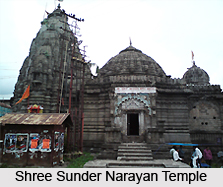 The Sundarnarayan temple was built by Gangadhar Yashwant Chandrachud in 1756 at a distance of 1 km from the Central Bus Stand. The entrance of the temple is to the East. The architecture is attractive and the round dome is made up of little ornamental cordons. The arched recesses are impressions of Mughal sculpture. The main deity is of Lord Vishnu - also called Narayana. To the left and right are Goddess Laxmi and Goddess Saraswati respectively. Fine design is carved on the stones of the temple. On the road leading towards Godavari River there is the Badarika Sangam Pond. It is said that the king of Devgiri bathed and performed rites in this pond. We also find a mention of this pond in the holy book, Dnyaneshwari. One remarkable thing about this temple is that it is built at such an angle that on 21st March, rays of the rising sun first fall exactly upon the idols.
Shree Saptshrungi Devi
Saptashringa Garh is a place where Goddess Bhagawati dwells. It is one of the most important among the places of Goddesses in Maharashtra. Saptashringa signifies seven mountain peaks. Nanduri village is situated at the foot of the Saptashringa Gad. In front of the temple there stands Markandeya Rishi`s (sage) hill. The Saptashringa Gad is full of a variety of trees having medicinal worth. As per the story depicted in the Ramayana, Lord Hanuman carried the herbal medicine for the wounded Lakshmana from this hill. There are about 108 water reservoirs on the hill, known as Kundas. Vani is situated at a distance of 60 kms away from Nashik.
Saptshrungi Gad
 Shree Saptshrungi Gad is situated at a distance of 60 km from Nashik .It is one of the most visited religious places for pilgrims. As the temple is situated on a mountain, a regular bus service is provided from the foot of the mountain to the temple
Shree Kala Ram Mandir
This temple was built by the late Mr. Odhekar, a knight serving with the Peshwas. There are great processions and utsav on Ramnavami, Dussehra and Chaitra Padwa (Hindu new year day). The specialty of the temple is that it was built with black stones. The stones were brought from Ramshej 200 years ago. It took 23 lakhs of rupees and 2000 workers to build the temple in 12 years. This temple is situated at a distance of 3km from Central Bus Stand.
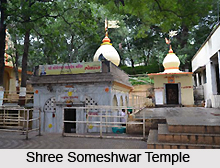
Shree Someshwar Temple
This temple is on the way to Gangapur dam, at a distance of 8kms from the Central Bus Stand. It is a temple of Lord Shiva and Lord Hanuman on the banks of the river Godavari. The area is covered with greenery, and has a pleasant climate. Tourists can take pleasure in swimming and boating in the river. Someshwar has been a favourite location for many a film shootings as well. On the way to Someshwar, there is a village named Anandwalli. It is so named because Peshwas - Anandibai and Raghobadada, lived there for some time. The temple - Navasha Ganpati- was built by them.
Shree Kapaleshwar Mahadev
Situated at a distance of 1km from Central Bus Stand, this temple is one of the peculiar Mahadev Temples in Nashik. The most prominent aspect regarding this temple is that there is no idol of Nandi in front of Lord Mahadev. Shravani Somvar(Monday) and Shivaratri are the 2 days when pilgrims gather in large numbers in this temple..
Shree Ved Temple
The Ved Temple, situated at a distance of 1.5km from the Central Bus Stand, was built with the aim of studying Indian culture and the Vedas and Indian Puranas. A private trust of Mr Sarada founded the temple. The temple is the example of modern interiors with Italian marble. The entrance to the temple is very large and attractive with glasses and flood lights. Free training and education on Ved-Puranas is given to students from all over India. The temple has the idols of Shriram, Lakshmana and Sita. Along with them is the beautiful idol of Guru Gangeshwaranandji.
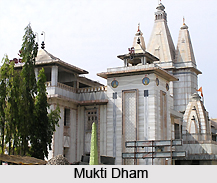
Mukti Dham
Muktidham temple is situated in Nashik Road. Built by the Late Shri JayramBhai Bytco, it is a magnificent piece of architecture, made with marble from Makran in Rajasthan by Rajasthani scluptors. Unique to this temple are eighteen chapters of the Bhagavad Gita written on the walls. One can also see the replicas of all the twelve Jyotirlingas here and also icons of all major Hindu Gods and Goddesses. This temple is situated at a distance of 8 kms from the Central Bus Stand
Sita Gumpha (Cave)
Sita Gumpha is at a distance of 2 km from the Central Bus Stand. It is situated at the western facing door of the Kalaram Temple. Lord Rama`s wife, Sita is believed to have lived at this place and it is from here that Ravana abducted her. The Shivlinga that she worshiped is still there in the gumpha.
Gondeshwar Temple
This unique Hemadpanthi-style architectural temple located at Sinner is the masterpiece of architecture. The historical and religious Gondeshwar temple has Lord Shiva`s idol and a number of small temples around the huge temple complex.
Bhakti Dham
Bhakti Dham is sitiauted near Dindori Naka, at a distance of 2km from the Central Bus Stand. This place is renowned for various temples built in the premises. All the religious rituals, pujas and vidhis are carried out in the Bhakti Dham.
Dutondya Maruti.
This idol of Lord Maruti is placed on the bank of the Godavari river near Ramkund. The idol has two faces on either sides.
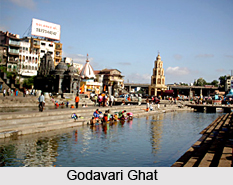
Godavari Ghat
River Godavari flows through Nashik and its northern part is known as Panchavati. Lord Shri Ram and Sita along with Lakshmana stayed at Panchavati during their exile. There are five Banyan (Vad) trees and this is the reason the place is called Panchavati. Nearby is the Sita Gumpha (cave) where Sita stayed for some time.
Shree Godavari Ramkund
The most important place in Panchavati is Ramkund, which is at a distance of 1km from Central Bus Stand. It is so called because Lord Rama is believed to have taken a bath there. Ramkund is the place where ashes are set free in the water after cremation by the followers of Hinduism. A dip in this sacred kunda is considered very religious. Situated nearby is the Gandhi Lake (Talav) having a memorable monument made out of white marble, in memory of the Father of the Nation, Mahatma Gandhi. The ashes were dropped in Ramkund after Gandhiji passed away on 30th January 1948.
These are the various places of pilgrimage tourism in Nashik district.
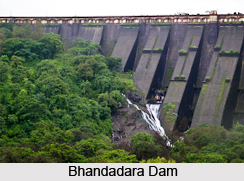
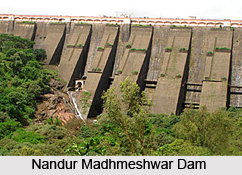
 Nature tourism in Nashik district is a truly refreshing experience. The district abounds in natural beauty all of which can be enjoyed by the tourists at leisure. Waterfalls, lakes, dams, beautiful picnic spots- all of it is can be enjoyed by the tourists at the famous Bhandardara and Kalsubai Peak. The Wilson Dam located here is one of the very few dams in India constructed at such a height. For those interested in trekking, the district has on offer the fort of Ratnagad. The Nandur Madhmeshwar sanctuary is a must-visit when on a trip here because of the great variety of bird species that can be seen here. A large number of resident and migratory birds congregate here in season, and the are is considered as an important water fowl habitat in the region by the International Union of Conservation of Nature. For those looking for some relaxation, the Saputara hill station makes for an ideal spot for soaking in nature`s beauty. These different places of nature tourism in Nashik district are declared below.
 For the purposes of mountaineering and trekking, Ratnagad is a great favourite. It is one of the favourite forts of the legendry son of the soil, Shree Chatrapati Shivaji Maharaj (King).
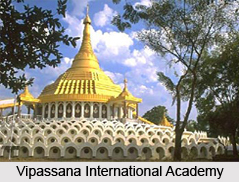
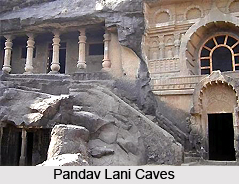 Leisure tourism in Nashik district is a rejuvenating experience, as the district has a lot to offer the tourist looking to relax and enjoy. There are a number of places located here where one can go for fun and entertainment, such as museums, memorials etc. For utmost relaxation, one cam visit the world-famous meditation centre at Igatpuri known as Dhammgiri. The centre seeks to pacify and nourish the being by providing techniques that relieve mental stress and promote inner peace. Another must-visit when on a trip to Nashik are the Pandav caves, believed to still retain engravings by the Pandavas of the Mahabharata. Beautiful Buddhist carvings can also be seen inside the cave. Listed below are the various places of leisure tourism in Nashik district.
 Behind the Pandav Caves, is the biggest Artillery Centre in Asia. This artillery centre was shifted from Pakistan in 1947, and is now completing its 50th year. The Indian army`s officers and soldiers are trained here. Training for `Bofors Gun` is given here. The area is under the control of the military and is restricted for civilians.
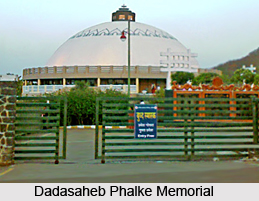 Bhagur is the birth place of the freedom fighter, Swatanrya