 Chalcolithic Age in India is the first metal age, which indicates the first use of copper. This age extended from Chhota Nagpur plateau to the copper Gangetic basin. Some sites are found at Brahmagiri near Mysore and Navada Toli on the Narmada; among them Indus Valley is one of the important sites of this age. The Chalcolithic culture of Central, Eastern and Southern regions of India show altogether different features. The Chalcolithic culture represents the farming communities that existed during 2000-700 BC. Four cultural trends have been identified- Kayatha, Ahar or Banas, Malwa and Jorwe.
Occupation of People in Chalcolithic Age
People of Chalcolithic age subsisted on farming and hunting-fishing. Cattle, sheep, goat, buffalo and pig were reared. Thereafter they were killed for food. Crops like barley and wheat were cultivated. Other crops, that were cultivated, are Bajra, Jowar, Millets, Ragi, Green pea, lentil, green gram, black gram. Fish and animal flesh also formed an important part of the diet of the Chalcolithic people. Hunting was one of the important occupations. Wheel made fine pottery which is considered as the specialty of the Chalcolithic culture. Pottery used to be decorated with linear, curvilinear and intricate designs which were mainly in black pigment. Floral, vegetables, animal, bird and fish motifs were also used. The Black and Red ware made its first appearance in the Chalcolithic sites.
Articles of Copper during Chalcolithic Age
Metals like Copper and its alloys were used in making axes, chisels, knives, fishhooks, pins, rods. Personal ornaments made of beads of semiprecious stones like chalcedony, jasper, agate, carnelian were also used. During the Chalcolithic period, the dead used to be buried in the place where they resided. Polished stone tools were also used in this period.
Houses during Chalcolithic Age
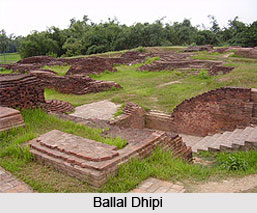
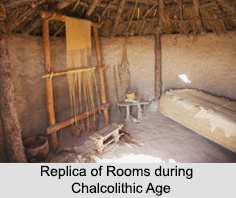
The Chalcolithic people of Harappa used bricks extensively. The walls were made of mud wattle. The plan of the houses was either circular or rectangular. They had only one room, but multi roomed houses also existed. The houses were plastered with cow dung and lime.
Burial Practices during Chalcolithic Age
During the Chalcolithic age dead bodies were buried in the north-south side in Maharashtra and in southern India it was done in the east-west portion. In eastern India, only a fraction of dead bodies were buried.