Due to its cultural and religious significance, the
Mandakini River and the villages located along its course attract thousands of
tourists and pilgrims each year. The increasing movement of pilgrims, tourists,
mules, and vehicles has placed considerable pressure on the region’s
infrastructure, contributing to the gradual deterioration of roads and other
facilities along the river. Several towns and settlements situated along the
riverbanks also use the river as a dumping ground, while numerous drains discharge
untreated or inadequately treated wastewater into the river at different
locations. These activities have increased the pollution load and adversely
affected the river’s water quality.
The Mandakini River and its fragile ecosystem also face
growing environmental challenges arising from human activities and climate
change. The rapid increase in pilgrimage and tourism has intensified pressure
on the river and its surrounding natural resources, contributing to pollution,
deforestation, and the degradation of surrounding landforms. These changes pose
a threat to the ecological health and long-term sustainability of the river.
The conservation of the Mandakini River therefore requires
greater environmental awareness, responsible tourism, effective waste
management, and the adoption of sustainable practices. Protecting the river and
its surrounding ecosystem is essential for maintaining the region’s ecological
balance and preserving its natural and cultural heritage. The gradual
degradation of the river and its surrounding landscape have also highlighted
the need for dedicated conservation initiatives, including efforts associated
with protected areas such as the Kedarnath Wildlife Sanctuary.

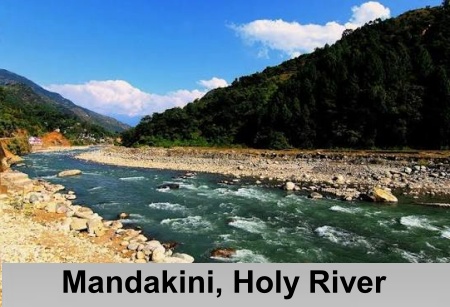
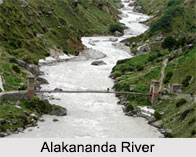 The Mandakini River extends for approximately 80 kilometres
between the Kedarnath and Rudraprayag regions, passing through several
significant locations in Uttarakhand. It also serves as an important
geographical guide through this part of the
The Mandakini River extends for approximately 80 kilometres
between the Kedarnath and Rudraprayag regions, passing through several
significant locations in Uttarakhand. It also serves as an important
geographical guide through this part of the