
Tandu is one of the attendants of Lord Shiva.
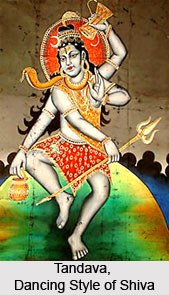
Lord Shiva taught him a new style of dancing, named Tandava. Tandava
is considered as one of the modes of dramatic performance. Tandava takes its
name from Tandu.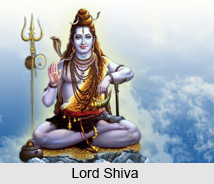
Tandu, Attendant of Lord Shiva
Tandu is revered as the divine attendant of Lord Shiva and the foremost exponent of the Tandava dance. According to the Natya Shastra, he instructed Sage Bharata in the Angaharas and Karanas of Tandava, thereby contributing significantly to the transmission and development of classical Indian dance.
Introduction
Backstory of Tandu
Tandu occupies an important place in the tradition of Indian dance and dramaturgy. According to the Natya Shastra, Lord Shiva instructed Tandu in the principles of the Tandava, the cosmic dance, and directed him to teach Bharata Muni, the author of the Natya Shastra, the use of Angaharas and Karanas. Together, these Angaharas and Karanas form the essential components of the Tandava. Bharata discusses the 32 Angaharas and 108 Karanas in the fourth chapter of the Natya Shastra, titled Tandava Lakshanam.
Some scholars suggest that Tandu may have been the author of
an earlier treatise on the dramatic arts, portions of which were later
incorporated into the Natya Shastra. The text also depicts Lord Shiva
explaining the various aspects of dance to the god Brahma, thereby
establishing the divine origin and transmission of the principles of dance and
performance.
Concept of Tandava
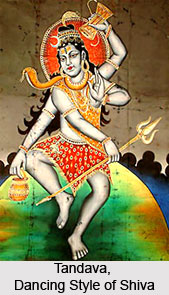 Tandava, also known as Tandavam, is the divine
dance traditionally associated with Lord Shiva. In Hindu iconography, Shiva is
often depicted as Nataraja, the
Lord of Dance, performing the Tandava, which symbolizes the dynamic processes
of creation, preservation, and destruction within the cosmos. The Natya
Shastra, the classical Sanskrit treatise on the performing arts, describes
various aspects of the Tandava and its significance in the tradition of Indian
dance.
Tandava, also known as Tandavam, is the divine
dance traditionally associated with Lord Shiva. In Hindu iconography, Shiva is
often depicted as Nataraja, the
Lord of Dance, performing the Tandava, which symbolizes the dynamic processes
of creation, preservation, and destruction within the cosmos. The Natya
Shastra, the classical Sanskrit treatise on the performing arts, describes
various aspects of the Tandava and its significance in the tradition of Indian
dance.
In the context of India's sacred dance-drama traditions, the Tandava is characterized by vigorous, energetic, and rhythmic movements. When performed in a joyous and blissful mood, it is known as Ananda Tandava, representing divine bliss and cosmic harmony. In contrast, the Rudra Tandava embodies Shiva's fierce and destructive aspect, symbolizing both the dissolution of the universe and the transcendence of death. Together, these forms illustrate the multifaceted nature of Shiva as both the creator and the destroyer, reflecting the cyclical rhythm of the cosmos.
Recently updated articles in Indian Puranas
Ketumati
Ketumati was a Gandharva princess and the wife of the Rakshasa king Sumali in Hindu mythology. She was the mother of fourteen children, including Kaik...
Mandakini, Holy River
Mandakini River is a significant Himalayan river in Uttarakhand, renowned for its ecological, cultural, and religious importance. Originating near the...
Kausika, Son of Vasudeva
Kausika is a minor figure in Hindu mythology and is identified in the Vishnu Purana as the only son of Vasudeva and his wife Vaishali. He is recognize...
Tandu, Attendant of Lord Shiva
Tandu is revered as the divine attendant of Lord Shiva and the foremost exponent of the Tandava dance. According to the Natya Shastra, he instructed S...
Niramitra, Mahabharata
Niramitra was a son of Nakula and Kareṇumati in the Mahabharata. A descendant of the Pandavas and the Kuru dynasty, he fought on the Pandava side duri...
Related articles in Indian Puranas
Adhyayas in Agni Purana
Adhyayas in Agni Purana are all encompassing. The chapters have dealt with a variety of subjects related to human lives. A large number of chapters ha...
Indian Puranic Tribes
The existence of Indian Puranic tribes is often mixed with mythology and fiction that depict them as superhuman or sub.
Puranic Texts
Puranic Texts are vital according to Hindu, Jain or Buddhist religion; they describe the history of the Universe.

Puranic Shaivism
Puranic Shaivism established during the Gupta Dynasty. This puranic religion developed and expanded, and was accompanied by the development of Brahman...

Nilamata Purana
Nilamata Purana is a Kashmiri Purana that is referred by Kalhana. It is considered as one of the sources of ancient history of Kashmir.