| Indian Villages |
|
|
|

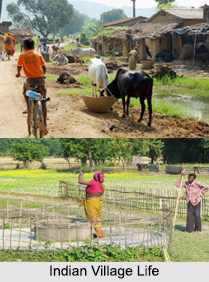
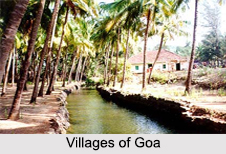
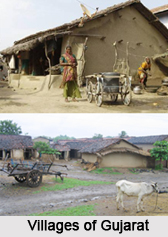
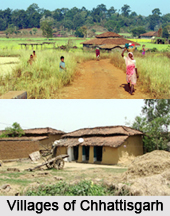
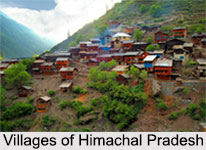
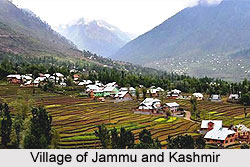
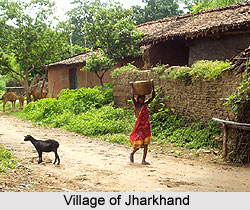
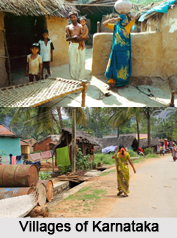
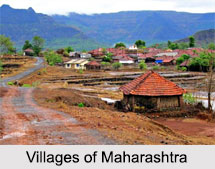
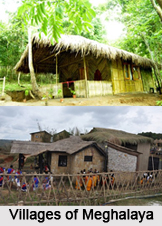
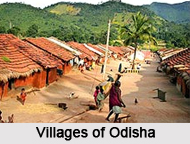
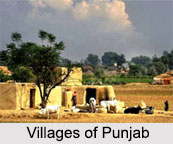
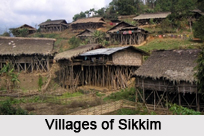
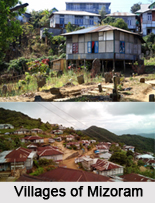
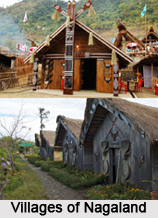
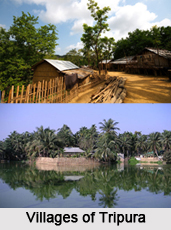
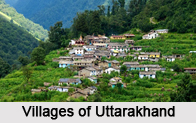
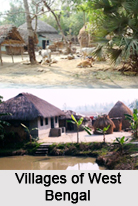
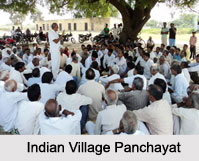
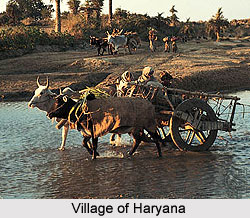
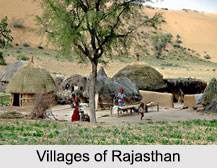
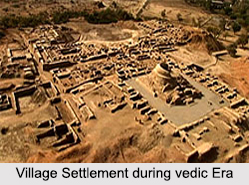
Most of India`s people live in villages. Most Indian villagers are concentrated in heavily forested areas that combine inaccessibility with limited political or economic significance. Indian city dwellers often refer nostalgically to "living a simple village life," but the Indian villages, are mostly regarded as just a few underdeveloped areas, which have quite a less access to the outside urban world. These villages are yet struggling to transform themselves, into full-fledged urban settlements. Although these settlements look very sleepy, they are infact actually humming with a lot of agricultural activites.
|
|
| |
| Indian Village: Baragaon, Bihar |
|
|
|

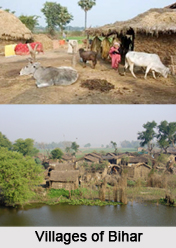
The indian village of Baragaon (Nalanda) is situated in the Nalanda District of the state of Bihar in India. The state of Bihar has a total of thirty- eight districts and the Nalanda district is one of them. The village of Baragaon is at a distance of 2 kilometers from the Nalanda Railway station in the north- west direction. It is well known for its exclusive Chhath Puja celebrations. There is a large pool in the village where Chhath Puja is performed by the native and nearby villagers. People also come from other parts of the state of Bihar, mainly from the north of Bihar. There is a gigantic ancient shrine of God Surya (Sun temple).
|
|
| |
| Indian Village Art |
|
|
|

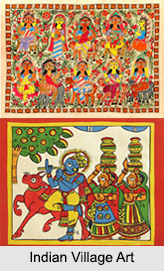
The Indian village scene is full of surprises and talent. Apart from the basic occupation of farming, the Indian villagers, being talented individuals have innovated their own village art, which have very distinctive and special village culture in them. The art of every village is distinctive and this shows in the various paintings by these people. Be it the Madhubani Paintings, Phad Paintings or the Patachitra Paintings, all display the culture and tradition of their respective villages!
|
|
| |
|
|
| Warli Paintings |
|
|
|

Warli, an Indian Village folk art painting, has traveled across borders and are now the cherished possessions of many a collector and art lover. This painting derives its name from a small tribe inhabiting the remote regions of Maharashtra. The Warlis are primarily an agriculture-dependant tribe and their houses are made of thatched mud-huts, which are constructed in such a way so that they all surround a central cell. Historians say that the Warli tradition can be traced to the Neolithic period between 2,500 BC and 3,000 BC. During the harvest season, happy occasions like weddings and births, their houses are adorned with a vocabulary of patterns. This custom gave rise to what we now know as the Warli Painting.
|
|
| |
|
|
| Handiaya, Punjab |
|
|
|
Handiaya, an Indian Village ,which is located in the Sangrur district of the Punjab, India.According to the Census report of Indian Territory that came out in the year 2001, the total population of the Handiaya has been counted to be 9725. Female populace comprises of 46 percent while males constitutes of 54 percent. Children below the age of six years constitutes of sixteen percent of the total population of Handiaya
|
|
| |
| Hirapur ,Madhya Pradesh |
|
|
|
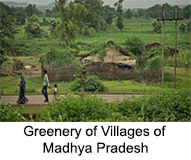
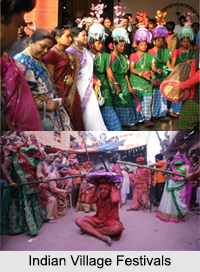
Indian villages are famous for their greenery and their traditional festivals. Hirapur villages in Madhya Pradesh is one of those village famous as a rural tourist centre. The Hirapur Village has been situated at 21.53° N 79.77° E. It has an average altitude of 501 metres or 1643 feet. the total population of the Hirapur town has been counted to be 5639. It is note worthy that in Hirapur , both the male and female populace constitutes an equal share. That is , male comprises of 50 percent , while the population of females is also 50 percent. As far as the number of children in Hirapur town is concerned, kids below the six years comprise of 15 percent of the total population.Places of interests in and around this area include Kanha National Park, Lanji Temple or Fort, Nahlesara Dam, Dhuti Dam, Rampaily Temple, Hatta Bawali .
|
|
| |
|