Introduction
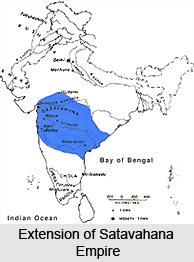 Spanning over two thousand years, the history of South India experienced the rise and fall of a number of dynasties and empires. The history of South India begins with the ancient era during which the great king Ashoka ruled over most of the Indian subcontinent. The dynasties of Satavahana, Chalukya, Pallava, Rashtrakuta, Chera, Cholas, Pandya, Kakatiya and Hoysala were at their peak during various periods of the history of South India. These kingdoms continually fought amongst each other and against external forces when Muslim armies occupied South India. Vijayanagara Empire rose in reaction to the Muslim intervention and covered the majority of south India and acted as a fortification against Mughal expansion into the south. When the European powers arrived during the 16th century CE, the southern kingdoms were not that powerful to resist the new threat and eventually surrendered to British occupation. The British created the Madras Presidency in South India, which covered most of south India administered by the British Rule, and separated the rest into a number of dependent princely states. After Indian independence, history of South India states that the region was linguistically divided into the states of Andhra Pradesh, Karnataka, Kerala and Tamil Nadu.
Ancient History of South India
The Kingdom of Pratipalapura in 5th century BCE in Guntur district of Andhra Pradesh is identified to be the earliest known kingdom in South India. The history of South India also shows an inscriptional evidence to show that King Kubera was ruling over Bhattiprolu around 230 BC followed by Sala Kings. During the reign of Ashoka in 304 BCE - 232 BCE, the three Tamil dynasties of Chola, Chera and Pandya ruled in south India.
Pandyas
The history of South India reveals that Pandyas were one of the three ancient Tamil kingdoms, ruling in the Tamil country from pre-historic times until end of the 15th century. This clan ruled initially from Korkai, a sea port on the southern most tip of the Indian peninsula, and in later times moved to Madurai. The history of South India also states that the dynasty, revived under Kadungon in the early 6th century, forced the Kalabhras out of the Tamil country and ruled from Madurai.
Cholas
The Cholas were one the three main dynasties to earn mention in the history of South India. Karikala Chola was the famous king during the early centuries of the common period and gained ascendancy over the Pandyas and Cheras. The Chola dynasty however, went into a period of decline from 4th century CE and coincided with the Kalabhras who moved down from the Andhra country displacing the reputable kingdoms and ruled over most of south India for almost 300 years.
Cheras
The Chera dynasty was one of the ancient Tamil dynasties that ruled the southern India from ancient times The Chera dynasty dominated over Coimbatore, Malabar Coast, Karur, Salem, Namakkal districts of South India. Trade flourished during their rule, particularly in ivory, spices, timber, gems and pearls.
 Pallavas
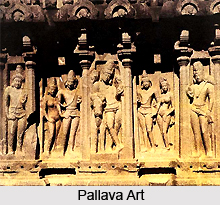
Pallavas, according to the history of South India, were a great south Indian dynasty who ruled from the 3rd century CE until their final decline in the 9th century CE. The eminent Pallava ruler Mahendravarman I initiated the work on the rock-cut temples of Mahabalipuram. Narasimhavarman I, his son, burned down Vatapi, the Chalukyan capital and conquered over their King Pulakesi II in 632 CE.
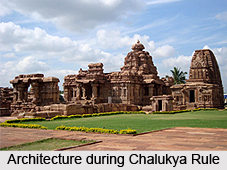
There are significant dynasties that ruled over southern India. Kadambas ruled South India during 345-525 CE, their kingdom spanned the present day Karnataka state, and the Banavasi was their capital. Ganga Dynasty of Talkad ruled southern Karnataka region during 350 - 550 CE. The history of South India states that the Chalukyas of Badami existed from 543 CE - 757 CE and an area expanding from Kaveri to Narmada Rivers. Rashtrakutas of Manyakheta ruled from Manyaketha in Gulbarga from 735 CE until 982 CE and reached its climax under King Amoghavarsha I (814 - 878 CE). Chalukyas of Kalyani, Hoysalas, Kakatiya, Musunuri are some of the prominent dynasties of South India.
Pandyas
The history of South India reveals that Pandyas were one of the three ancient Tamil kingdoms, ruling in the Tamil country from pre-historic times until end of the 15th century. This clan ruled initially from Korkai, a sea port on the southern most tip of the Indian peninsula, and in later times moved to Madurai. The history of South India also states that the dynasty, revived under Kadungon in the early 6th century, forced the Kalabhras out of the Tamil country and ruled from Madurai.
Cholas
The Cholas were one the three main dynasties to earn mention in the history of South India. Karikala Chola was the famous king during the early centuries of the common period and gained ascendancy over the Pandyas and Cheras. The Chola dynasty however, went into a period of decline from 4th century CE and coincided with the Kalabhras who moved down from the Andhra country displacing the reputable kingdoms and ruled over most of south India for almost 300 years.
Cheras
The Chera dynasty was one of the ancient Tamil dynasties that ruled the southern India from ancient times The Chera dynasty dominated over Coimbatore, Malabar Coast, Karur, Salem, Namakkal districts of South India. Trade flourished during their rule, particularly in ivory, spices, timber, gems and pearls.
Pallavas
Pallavas, according to the history of South India, were a great south Indian dynasty who ruled from the 3rd century CE until their final decline in the 9th century CE. The eminent Pallava ruler Mahendravarman I initiated the work on the rock-cut temples of Mahabalipuram. Narasimhavarman I, his son, burned down Vatapi, the Chalukyan capital and conquered over their King Pulakesi II in 632 CE.
There are significant dynasties that ruled over southern India. Kadambas ruled South India during 345-525 CE, their kingdom spanned the present day Karnataka state, and the Banavasi was their capital. Ganga Dynasty of Talkad ruled southern Karnataka region during 350 - 550 CE. The history of South India states that the Chalukyas of Badami existed from 543 CE - 757 CE and an area expanding from Kaveri to Narmada Rivers. Rashtrakutas of Manyakheta ruled from Manyaketha in Gulbarga from 735 CE until 982 CE and reached its climax under King Amoghavarsha I (814 - 878 CE). Chalukyas of Kalyani, Hoysalas, Kakatiya, Musunuri are some of the prominent dynasties of South India.
Medieval History of South India
Rise of Muslim kingdoms in the medieval era marks an important event in the history of South India. The Vijayanagara Empire was founded in the early 14th century to stem the tide of Muslim power overrunning South India that lasted for almost 200 years. Nayak kingdoms in South India are best known for their temples and unique architecture. The rise of Maratha military power under Shivaji had a profound influence on the political situation of South India. Serfoji II, the famous Marathi ruler devoted his life to the quest of culture and Thanjavur became renowned as a seat of learning. Serfoji`s patronised art and literature and built the Saraswati Mahal Library at his palace.
History of South India in British reign
The Colonial period in the history of south India marked the middle of the 18th century. Eventually, British power in alliance with Hyderabad ruled south India and Mysore was absorbed as a princely state within British India. The Nizam of Hyderabad wanted to hold his independence through diplomacy rather than open war with the British. During the British colonial rule, south India was divided into the Madras Presidency and Hyderabad, Mysore, Thiruvithamcoore (Travancore), Cochin, Vizianagaram and a number of other minor princely states.
Contemporary History of South India
On August 15, 1947, the former British India achieved independence as the new authorities of India and Pakistan. The rulers of India`s princely states granted to the Government of India between 1947 and 1950, and South India was organised into a number of new states.
 Most of South India included in Madras state, which included the territory of the former Madras Presidency together with the princely states of Banganapalle, Pudukkottai, and Sandur. The other states in South India were Coorg (the former Coorg province of British India), Mysore State (the former princely state of Mysore) and Travancore-Cochin, formed from the fusion of the princely states of Travancore and Cochin. The past princely state of Hyderabad became Hyderabad State, and former Bombay Presidency became Bombay State.
The history of South India is glorious and imprints the achievements of several notable dynasties and empires of India. The magnificent temples, sculptures, architecture, dance forms, art and literature are all highly influenced by the history of South India. The present scenario of south India still retains the reflection of its evocative past.
Most of South India included in Madras state, which included the territory of the former Madras Presidency together with the princely states of Banganapalle, Pudukkottai, and Sandur. The other states in South India were Coorg (the former Coorg province of British India), Mysore State (the former princely state of Mysore) and Travancore-Cochin, formed from the fusion of the princely states of Travancore and Cochin. The past princely state of Hyderabad became Hyderabad State, and former Bombay Presidency became Bombay State.
The history of South India is glorious and imprints the achievements of several notable dynasties and empires of India. The magnificent temples, sculptures, architecture, dance forms, art and literature are all highly influenced by the history of South India. The present scenario of south India still retains the reflection of its evocative past.
Sources of South Indian History
 India is fortunate in being endowed with a rich and dynamic historical, socio-economic, cultural and architectural legacy.
The sources that furnish information to the historian can be broadly classified into two categories namely the literally sources and the archaeological sources.
Literary sources
Literary sources mainly refer to old book, manuscripts and maps. Before the invention of paper, books and manuscripts were written on materials such as birch, palm leaves, sheep leather, wood blocks and stone tablets. These are now preserved in various libraries and museums. The literary sources may be further sub-divided into religious literature and non-religious secure literature.
Religious Literature
Religious literature refers to books and manuscripts dealing with religion. The religious literature of the Hindus includes the Vedas, the epics Ramayanas and the Mahabharata as well as the Puranas. These works were written in Sanskrit language. One of the important specimens of the religious literature of Tamil Nadu is the Periya Puranam. It deals with the life stories of the Nayanmar saints (devotes of Lord Siva) All religious texts throw light on the spiritual aspect as well as socio-cultural and economic life of the people.
Secular Literature
Secular Literature refers to books and manuscripts on subjects other than religion. Secular literature includes books on law and polity. One such notable book is Arthasastra by Kuatilya. Law-books called Dharmasutras and Smritis together with their commentaries are called Dharmasastras. These books list the duties and responsibilities of people belonging to different professions.
 The books also prescribe punishments for persons guilty of crimes such as theft and murder. Among the important secular texts of south India, are some of the old Tamil poems such as Tirukkural. These poems were mostly composed in formal assemblies or gatherings of poets and scholar.
Oral Traditions
Oral traditions such as proverbs, nonsense rhymes and mythological legends also constitute a valuable source of information for the historian. You too may have heard some such stories and rhymes from your parents and grand-parents. Such oral sources are, however, not considered as reliable and authentic as the written sources because the oral stories are subject to change while being told and retold by different people.
Foreign Accounts
Apart from the indigenous literature, the writings of foreign scholars and travelers are also useful for reconstructing the history of ancient South India. The ancient Indians traded with many far-off lands including Greece and Rome. The Greece and Roman sailors and travelers who visited India have left valuable accounts of the people here.
Archaeological Sources
Archaeology is a specialized science dealing with the material remains of ancient civilizations. Archaeologists systematically and scientifically excavate ancient site and unearth interesting materials such as coins, vessels, terracotta toys, beads, jewellery and rarely, even ruins of old buildings. These materials throw light on day-to-day life of the ancient people.
Archaeological sources include monuments, art objects like paintings and sculptures, inscriptions or epigraphs and coins. South India boasts of the largest volume of inscriptions in the whole world.