Indian flowers are an integral part of ecosystem. They are also an inseparable part of the Indian culture. These flowers are found in almost all parts of the country and the Indian people plant flowering trees in gardens, in order to decorate them and also to enhance the beauty of their residence. Indian flowers mainly grow on trees and plants present in the gardens, bushes, roadsides,forests, etc. These flowers have a special place in literature of India. Ancient Indian literature is full with names of a variety of flowers. Indian literary personalities have mentioned about flowers in most of their notable creations. Historical records prove that people of all ages, during various periods in history have used flowers mainly for decorative purposes and also as a gesture of welcoming and wishing good luck. A flower can lighten a room, adding more color and making it more vibrant and appealing.
Different Indian Flowers
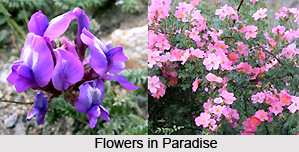
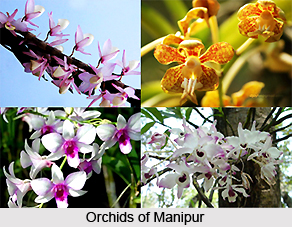
Indian flowers include lotus, orchids, musk rose, begonia, balsam, rhododendron, globe amaranth, foxtail lily, water lily, primula, blue poppy, etc. Most of these Indian flowers are widely being cultivated in different countries of the world. Several Indian flowers have won the hearts of people all over the world. Some of these flowers include the jasmine, madhavi, rose, sunflower, queen`s flower, marigold, bulbs, saffron flower, rio grande trumpet flower and gulmohar flower. Apart from decorative or ornamental flowers, there are numerous wild flowers found in India. The Indian wild flowers are found throughout the country and some of the most notable amongst them include the hibiscus, lobatus, katechendu, cup-saucer, pandhra kuda, ranjire, glory lily, commelina (kena), sesamum orientale (ran til), ceropegia and begunia.
Mythological and Religious Significance of Indian Flowers
The ancient Hindu epics like Mahabharata and Ramayana have descriptions about different kinds of Indian flowers. The famous national flower of India namely, Lotus is mentioned in the ancientSanskrit scripture of the Vedic era. The renowned Indian literary personality namely, Kalidasa has also mentioned about lotus in his play, Shakuntala. Lotus is mentioned in the creations of the other poets and novelists like Asvaghosa (A.D.100). Indian flowers have been an essential part of Hindu worshipping, since the past several centuries. The tradition of offering flowers to God as a symbol of love and devotion is very popular in India. The association of Lord Krishna with the Kadamba tree (Anthocephalus Indicus) is a legend. Apart from Lord Krishna, almost all other Gods and Goddesses have their respective flower of liking.
Flowering trees are stated in the ancient Sanskrit work of Panini namely, Ashtadhyayi. According to historical evidences, flowering trees were commonly grown in the gardens during the Hindu-Buddhist periods. During the Buddhist period, Indian people used to lay out gardens around the monasteries and stupas and it is said that Lord Buddha was born under a tree in a garden. The Bodhi tree, under which Lord Buddha attained nirvana, is sacred to the Buddhists. Moreover, lotus is closely associated with the worship of Lord Buddha.
Significance of Indian Flowers in Medicine
A number of Indian flowers have medicinal values and are recognized globally. These flowers are widely used in Ayurveda in treating various types of ailments. They are porcupine flower, hophead, kariyat, blue fox tail, bell weed, marsh barbel, gandarusa, Malabar nut, water willow, frilly lepidagathis, blue pussyleaf, karvy, snake jasmine, singkrang, Himalaya onion, chives, sage leaved alangium, two-toothed chaff flower, mountain knot grass, marking nut, sugar apple, Himalayan hogweed, Indian pennywort, ajwain, indrajao, sea mango, nag kuda, water jasmine, sarpagandha and many others.
Significance of Indian Flowers in Weddings
Indian flowers are used in wedding ceremonies and can be termed as wedding flowers. In fact, no wedding can be celebrated in India without flowers. They decorate the wedding hall and set the exact joyous mood and tone for the event. During such events, flowers are mainly used in the form of garlands and bouquets.
Indian Flowers
Indian flowers are known for their variety, beauty and usefulness. They significantly affect the eco-system and are important parts of Indian religions. Some of these flowers are lotus, glory lily, bulbs, rio grande trumpet flower and saffron flower.