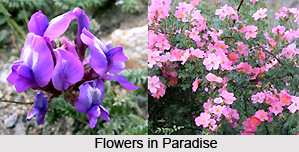
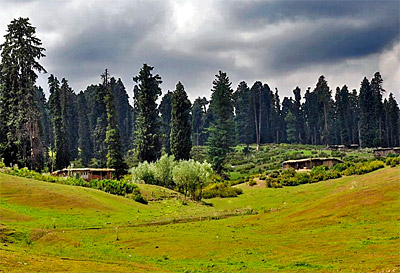
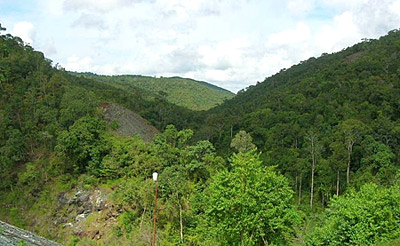
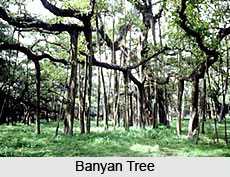
 Meghalaya has a forest cover of 9,496 km square, which is 42.34 percent of the total geographical area of the state. These forests are the richest botanical locale of Asia. These forests receive heavy rainfall and support a large variety of floral and faunal biodiversity.
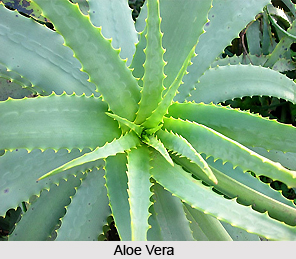
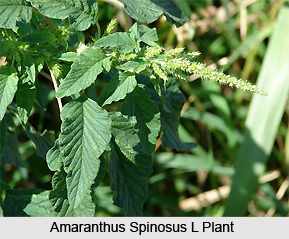
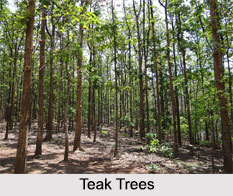
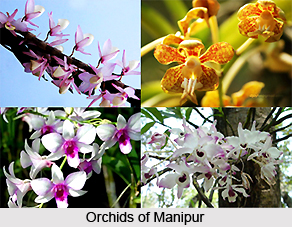
There are patches of forests preserved by communities for religious and cultural beliefs. These forests are reserved for religious purposes and are protected from exploitation. In these sacred forests inhabit many rare varieties of plants and animals. There are a large variety of Parasites and Epiphytes, Succulent plants and Shrubs. Two of the most important varieties of trees are Shorea robusta or Sal and the Tectona grandis or teak. Meghalaya is also has a large variety of fruits, vegetables, spices and medicinal plants. Meghalaya is famous for its large variety of orchid. There are nearly about 325 orchid varieties.
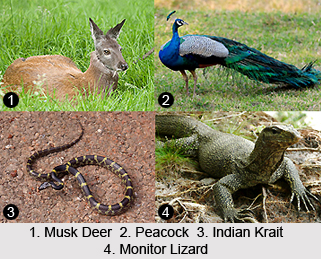
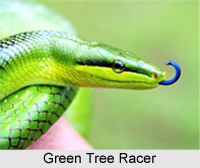
Large variety of mammals, birds, reptiles and insects also inhabit here. The important mammals are civets, elephants, mongooses, weasels, rodents,gaur, bear, wild boar, deer, buffalo etc. Meghalaya also has a large variety of bats. The bird species in Meghalaya include the Magpie-Robin, the Red-vented Bulbul, the Hill Myna, the Large Pied Hornbill and the Great Indian. Other birds include the Peacock Pheasant, the Large Indian Parakeet, the Common Green Pigeon and the Blue Jay. Meghalaya is also home to 250 species of butterflies. The reptile varieties in Meghalaya are lizards, crocodiles and tortoises. Meghalaya also has a number of snakes including the python, the Copperhead, the Green Tree Racer, the Indian Cobra the King Cobra, the Coral Snake and Vipers.
The most rich biodiversity site of Megahlaya is the Balaphakram National Park. There are three Wildlife Sanctuaries. They are the Nongkhyllem Wildlife Sanctuary, the Siju Sanctuary and the Bhagmara Sanctuary.