
Art and Architecture of the Gupta Period
Art and Architecture of the Gupta Period includes the famous rock cut temples at Ajanta, Buddhist stupas, cave and temple architecture, the Mathura and Gandhara School of art and the development of Indian classical music.
Introduction
The Gupta period had witnessed a brilliant development in the fields of art, architecture, sculpture and literature. The enormous wealth of the country during the imperial Guptas had led to a cultural resurgence in India. According to historians, in architecture, sculpture, and painting and in other branches of art, the Gupta rulers excelled more than most of the dynasties that ruled India. The period witnessed a culmination of earlier tendencies and style and the beginning of new style and technique in the field of architecture.
Buddhist Architecture of Gupta Period
 Buddhist art had flourished during the Gupta period. A famous rock-cut monastery in Ajanta caves consists of several Chaitya halls and numerous residential Viharas. The interiors are covered with painted murals that feature superb figures drawn with a gracefully winding line. Large stone figures, stone and terra-cotta relief and large and small bronze statuettes are made in the refined Gupta style; the level of production is uniformly high. Several significant Buddhist pieces of art were created after 7th century, during the reign of the Pala Dynasty and Sena dynasty (730-1197). Images in bronze and hard black stone from Nalanda and elsewhere reveal a development of the Gupta style, with extensive attention towards ornamentation and fabrication.
The Gupta architecture is revealed through the cave and temple architecture of those times, which also include two Buddhist stupas. The "Mirpur Khas stupa" was built in 4th century A.D., which contains a number of arches. The curve of this respective Stupa denotes that arch-making was known to the Indians before the advent of Muslims to India. The relics of the "Dhameka Stupa" built of bricks represent the idiom of the Gupta architecture. The caves of the Buddhist and Hindus sects denote the architectural pattern of the Guptas. Ajanta, Ellora caves and the Bagh cave paintings denote the Buddhist outline, which was very popular during the Gupta period. Hindu caves are found in Udayagiri, Bhopal. The cave paintings of Gupta period conspicuously differ from the others due to their artistic elegance and design. These caves temples are the first Hindu cave temples constructed in India. They exhibit brilliant architecture and carvings related to Vaishnavism.
Brahmanical Architecture of Gupta Era
 It is however in the arena of sculpture and architecture, Gupta period reached somewhat the zenith. It is argued that during the Gupta period the typical proto-type of Brahmanical architecture in the form of Hindu temple, Brahmanical cave temples, came into existence and hence developed a whole new concept of Brahmanical Architecture and sculpture.
Brahmanical Cave temple : Brahmanical cave temple was discovered at Udayagiri near Bhopal having an inscription dated 401 A.D. and referring to the reign of Chandragupta II. It is the earliest dated Hindu temple known so far. The shrine is partly rock-art and partly stone built, as a shallow pillared portico has been added in front of the excavated cella. This style is just a transition from the pure cave shrines to the structural ones. The portico, the carved doorway and the pillars with their Bowl of Plenty capitals show the typical features of the Gupta style.
Siva Images. : There was a remarkable revival of Hinduism in the Gupta period and it is reflected in its sculpture. Some of the most beautiful Siva images, as for example, the Sivalinga from Khoh belong to the Gupta period. Both the linga form and the anthromorphic image of Siva existed in the Kusana period, but their combination as evolved in Ekamukhi and Chaturamukhi Sivalinga was a characteristic feature of Gupta iconography. The Ardhanarisvara form of Siva represents a synthesis between the eternal pair of opposites by presenting the deity as half male and half female, was rendered by the artists of our age with masterly skill.

Vishnu Images : Perhaps the best qualities of the Gupta plastic art find expression in the superb example of Vishnu from Mathura with the face revealing a celestial contentment and serene spiritual contemplation. For the first time, Gupta statuary begins to show the images of the cosmic form of Vishnu combining a human head with those of a boar and a lion. These are images of Nrisimha-Varaha Vishnu. A different form of the cosmic aspect of Vishnu in this period is that in which the central human figure is surrounded by a number of radiating heads, eg., the eight-armed figure on the great architrave from Garhwa.
The great Varaha image at Udayagiri is prevalent c. 400 A.D. This has been rightly regarded as a monument to the genius of the Gupta sculptors. Its volume and powerful execution furnish a happy contrast to the scenes of lesser dimensions forming the background. The two flanking scenes also are of unusual significance, representing the birth of the Twin Rivers, Ganga and Yamuna. The whole scene probably coveys an ideal representation of the Madhyadesa, which was the heart of the wide culture empire built in this age.
Images of Surya: Images of the solar deity show that the sun-god was clad in the northern dress, wearing coats and trousers and long buskined boots. This form of the deity is found right from Afghanistan to Mathura and Madhydesa. He is also shown as accompanied by his two attendants Danda and Pingala.
Temple Architecture of Gupta Period
The Gupta Age indicated a new era in the history of temple architecture. Free standing sculptural temple were the chief features of temple architecture during the Gupta period. For the first time they initiated permanent materials like brick and stone, instead of perishable materials like bamboo, wood etc. Structural temples, instead of cave temples were erected during this period for the convenience of idol worship. The Gupta architects had invented an artistic standard, which became the general rule of temple construction in the successive ages. The stone temple in Deogarh of Dasavatara with its excellent carvings and panels on the walls is extant remains of Gupta architecture. The `shikara` or top of the temple are the chief attractions about these constructions. The talent of Gupta architect found expression in the sculpture of the `dome`. The Shiva temple at Nachana, the Parvati Temple at Ajaya Garh in Uttar Pradesh, the Vishnu Temple in Central Province, the Ekkalinga Shiva Temple at Satana, are some of the extant remains of Gupta architectural pieces.
The main temple or the `Garvagriha` housed the image of God and the original temple was connected to the hall by a vestibule. The whole temple complex is surrounded by a spacious courtyard. One of the chief features of temple architecture was to write down texts around temple buildings, which were faithfully followed in the later years.
The main temple or the `Garvagriha` housed the image of God and the original temple was connected to the hall by a vestibule. The whole temple complex is surrounded by a spacious courtyard. One of the chief features of temple architecture was to write down texts around temple buildings, which were faithfully followed in the later years.
Notable Temple Architecture during Gupta Period
During the reign of the Guptas, north India witnessed the first site of structural temples with marvelous architecture and carvings. Some of the famous temples constructed during the Gupta period include Varaha and Vishnu temples in Madhya Pradesh, Kankali Devi temple at Jabalpur, Mahadeva and Parvati temples at Nachna Kuthara, and Dasavatara temple at Deogarh.
Sculpture of Gupta Period
The style of Gandhara School of art and sculpture had attained an unprecedented excellence during the Gupta period. The style had originally developed in Mathura, which was carried to perfection in Sarnath and where Buddha had turned the wheel of law. Gupta sculpture outgrew the sculptural phrase of Bharhut and Sanchi, where the subject matter was animal figures and trees. During the Gupta period, spiritual and religious themes dominated the field of sculptures. Most of the sculptures focused of gods like Shiva, Vishnu and Buddha. The sculptures were rather exquisite and the figures were proportionate and balanced. The sculptors implemented exotic gestures and postures and the figures appeared to have fitted attire.
The flavour of Gupta architecture is found in the Shiva-Parvati relics in Kosam, in the Ramayana panel in Deogarh and also in Sarnath. The Bodhisattva images were representative of the Mathura school of art, which had attained an unprecedented excellence during the Gupta architecture. The sculptural tradition in the Gupta Age speaks of the artistic finesse and brilliance of the Gupta sculptors.
The flavour of Gupta architecture is found in the Shiva-Parvati relics in Kosam, in the Ramayana panel in Deogarh and also in Sarnath. The Bodhisattva images were representative of the Mathura school of art, which had attained an unprecedented excellence during the Gupta architecture. The sculptural tradition in the Gupta Age speaks of the artistic finesse and brilliance of the Gupta sculptors.
Notable Sculptures during Gupta Period
The development of sculptures also saw a golden phase under the rule of the Guptas. Many sculptures of Madhya Pradesh and Bihar stand as a testament to the majestic art of sculptures of the Gupta age. Some of the notable examples are the stone-cut sculpture of Varaha or man-boar sculpture at Udayagiri hills in Madhya Pradesh. Varaha is a form of Lord Vishnu and Guptas were Vaishnavites.
Another outstanding work of art is the copper statue of Lord Buddha that weighs 1 ton and is 7.5 feet in height. This copper sculpture was at Sultanganj in Bihar and is currently at the Birmingham Museum & Art Gallery.
Another outstanding work of art is the copper statue of Lord Buddha that weighs 1 ton and is 7.5 feet in height. This copper sculpture was at Sultanganj in Bihar and is currently at the Birmingham Museum & Art Gallery.
Paintings of Gupta Period
 Apart from architecture and sculpture, paintings had constituted a significant position in the Gupta period. During the Gupta period, painting had assumed a secular character. The cave paintings of Ajanta, Badami and Bagh were the representations of Gupta paintings. The cave paintings mainly depicted the Jataka stories and the life of Lord Buddha. The Bodhisattva-Padmapani painting of Ajanta represents Bodhisattva standing in a `trivanga` style. His face depicts a youth with jewelled crown atop his head, holding a white lotus in his right hand. His face glows with pathos and sympathy for the fellow beings while looking below from heaven.
Classical music and dance during Gupta Period
The Gupta period stands as an illustrious era celebrated for its remarkable contributions to Indian culture and art. It was during this time that Indian classical music and dance reached new heights, owing to the remarkable efforts of renowned figures such as Vatsyayana and Kalidasa.
Kalidasa, a prolific writer of the Gupta era, played a significant role in the evolution of Indian classical music. He composed numerous compositions for various musical instruments, including the Shankha, Vamshi, Mridang, Pushkar, Vipanchi Veena, and Parivadini Veena. Additionally, Kalidasa explored different genres of songs, such as Apsarogeeti, Streegeet, Kakaligeet, as well as Swarasaptaka, Tana, and Murchana, contributing to the rich tapestry of Indian classical music.
In his renowned work "Kamasutra," Vatsyayana listed a comprehensive catalog of arts and skills during the Gupta period, encompassing a total of 64 Kalas. Among these, Vatsyayana meticulously described musical instruments used for playing, dancing, and singing. The effectiveness and prevalence of music in Indian society during the Gupta period were also noted by Fa-Hien, a Chinese traveler who visited India during this time.
Temples played a pivotal role in the dissemination and performance of different forms of Indian classical music during the Gupta era. The royal patronage extended to music and the arts further enhanced the development of this period. Notably, talented and proficient women actively chose music as their profession, contributing to the flourishing musical landscape.
The Gupta period witnessed the establishment of Sangeet Graha (music houses) and Natya Shaala (dance academies), where people would gather for entertainment. Chandragupta, a highly skilled musician from the Gupta dynasty, exemplified the emphasis on musical training and expertise during this era. The royal court of Chandragupta Vikramaditya boasted two eminent musicians, Amarsimha and Mahakavi Kalidas, known as the "navaratnas" or nine gems.
Prominent instruments of Indian classical music during the Gupta period included the Mridang, Veena, Venu, and Sankha. These instruments formed the backbone of musical performances, creating a harmonious blend of melodies that captivated audiences.
Historians often refer to the Gupta period as the "Golden Era" for cultural development, with music being a significant aspect of this renaissance. This era witnessed a fusion of art, architecture, and classical music, leaving an indelible mark on India`s cultural heritage. The Gupta period`s contributions to Indian classical music endure as a testament to the brilliance and creativity that flourished during this transformative era. Art, architecture and sculpture of the Gupta period had scaled peak heights, for which the Gupta phase has been given the epithet "the Golden age of India".
Kalidasa, a prolific writer of the Gupta era, played a significant role in the evolution of Indian classical music. He composed numerous compositions for various musical instruments, including the Shankha, Vamshi, Mridang, Pushkar, Vipanchi Veena, and Parivadini Veena. Additionally, Kalidasa explored different genres of songs, such as Apsarogeeti, Streegeet, Kakaligeet, as well as Swarasaptaka, Tana, and Murchana, contributing to the rich tapestry of Indian classical music.
In his renowned work "Kamasutra," Vatsyayana listed a comprehensive catalog of arts and skills during the Gupta period, encompassing a total of 64 Kalas. Among these, Vatsyayana meticulously described musical instruments used for playing, dancing, and singing. The effectiveness and prevalence of music in Indian society during the Gupta period were also noted by Fa-Hien, a Chinese traveler who visited India during this time.
Temples played a pivotal role in the dissemination and performance of different forms of Indian classical music during the Gupta era. The royal patronage extended to music and the arts further enhanced the development of this period. Notably, talented and proficient women actively chose music as their profession, contributing to the flourishing musical landscape.
The Gupta period witnessed the establishment of Sangeet Graha (music houses) and Natya Shaala (dance academies), where people would gather for entertainment. Chandragupta, a highly skilled musician from the Gupta dynasty, exemplified the emphasis on musical training and expertise during this era. The royal court of Chandragupta Vikramaditya boasted two eminent musicians, Amarsimha and Mahakavi Kalidas, known as the "navaratnas" or nine gems.
Prominent instruments of Indian classical music during the Gupta period included the Mridang, Veena, Venu, and Sankha. These instruments formed the backbone of musical performances, creating a harmonious blend of melodies that captivated audiences.
Historians often refer to the Gupta period as the "Golden Era" for cultural development, with music being a significant aspect of this renaissance. This era witnessed a fusion of art, architecture, and classical music, leaving an indelible mark on India`s cultural heritage. The Gupta period`s contributions to Indian classical music endure as a testament to the brilliance and creativity that flourished during this transformative era. Art, architecture and sculpture of the Gupta period had scaled peak heights, for which the Gupta phase has been given the epithet "the Golden age of India".
Recently updated articles in History of India
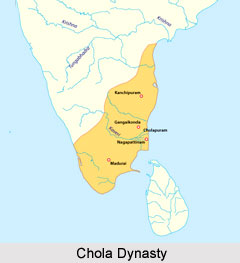
Chola Dynasty
Chola Dynasty is a Tamil dynasty and had longest duration of ruling in parts of South India. Chola dynasty had ruled South India successfully for a ex...
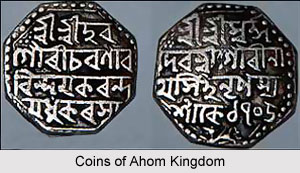
Suhungmung
Suhungmung was the fourteenth ruler of the Ahom dynasty who ruled from the period 1497 to 1539 AD. His reign was significant in terms of expansion of...
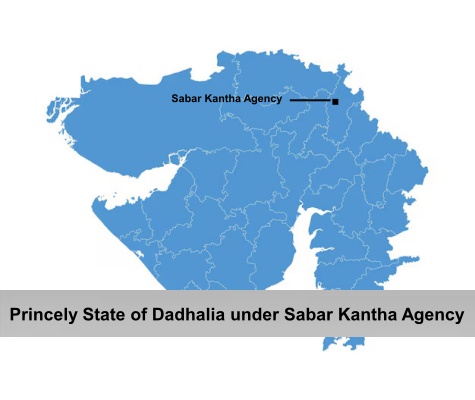
Princely State of Dadhalia
Princely State of Dadhalia was located in the present state of Gujarat. The state covered a total area of 28 sq miles and comprised of 15 villages. Th...
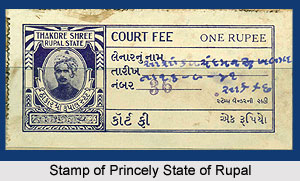
Princely State of Rupal
Princely State of Rupal was a part of the Baroda Agency, a sub division of Western India States Agency. It was under the administrative control of the...
Archaeological Sites of West Bengal
Archaeological sites of West Bengal reveal several aspects of ancient India. Excavations by the Archaeological Survey of India have furnished artefact...
Related articles in History of India
Mughal Architecture during Babur
Mughal architecture during Babur marked the foundation of a new architectural era in India, blending Timurid, Persian, and local influences. His reign...
Architecture during Sayyid and Lodi Dynasty
Architectures during the Sayyid and Lodi dynasty were mainly the tombs and monuments for the dead rulers. It were carefully designed and meticulously...
Brahmanical Sources of Ancient History
Brahmanical Sources of ancient history are contained in the Vedas and they constitute one of the most important literary sources of information about...
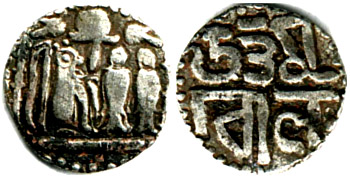
Coins of Chola Empire
Coins of Chola Empire were issued in gold, silver and copper and carried the Chola emblem.
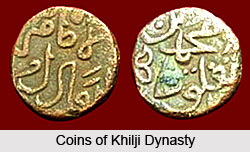
Coins of Khilji Dynasty
Coins of Khilji Dynasty had an influential feature that was followed by the other dynasties.