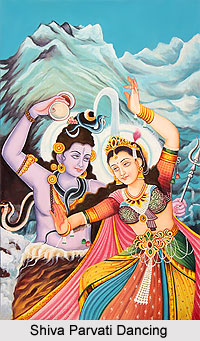
 Human beings have, more than often, chosen to express their emotions through the mystical representation of dance. Dance is, therefore, recognized as the earliest art and the most eternal form of communication, which directly appeals to the eyes. Dance is such an intricate art that it brings out the innermost feelings and at the same time portrays the cultural aspects of a civilization. Indian dances are varied. While most of the Indian dances are traditionally constrained and unique in their own ways; some are religiously bound and some are just a form of expressing emotions.
Origin of Indian Dance
The Hindu dance is conceived as an expression of spiritual energy on the earth plane through the senses and intelligence. Religiosity and philosophies are, therefore, almost inseparable aspects of Indian dance. In mythology, in folklores, in fables and in puranas Gods and Goddess are mentioned as great connoisseur of dance. In India, the Nataraja, dancing Lord Shiva, is the supreme manifestation of Indian dance. Shiva`s cosmic dance, Tandava encompasses creation, preservation and destruction and this thought has been embedded in Hindu rituals since remote past. The dark and fierce dance of Goddess Kali symbolising destruction is a significant part of Hindu religion.
Classical dance in India is rooted in ancient classical texts, notably the Natyashastra, which serves as the foundational document for its theory, training, and expressive practice. These classical Indian dances have a rich history characterized by a teacher-disciple tradition known as guru-shishya parampara. Mastery of these dances requires dedicated study of classical texts, rigorous physical exercises, and extensive training. The aim is to meticulously synchronize the dance repertoire with the underlying play or composition, in harmony with vocalists and the orchestra.
Unlike classical Indian dances, folk Indian dances are primarily an oral tradition. They have been historically transmitted from one generation to the next through word of mouth and casual joint practice. Folk dances encapsulate the cultural essence and heritage of various regions in India, each characterized by its unique movements and rhythms.
Semi-classical Indian dances occupy a fascinating middle ground. While they bear the imprint of classical traditions, they have evolved over time into folk dances. This transformation often results in the loss of formal texts and schools, rendering them less structured compared to classical dances. Semi-classical dances blend classical elegance with the spontaneity and informality of folk traditions, creating a distinct dance form that resonates with a diverse audience.
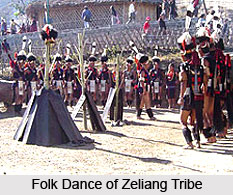
Tribal dances represent a more localized expression of folk dance. Typically associated with specific tribal populations, these dances are deeply rooted in the cultural fabric of their respective communities. Tribal dances often showcase the unique customs, rituals, and traditions of these indigenous groups. Over time, tribal dances can evolve into folk dances as they gain broader recognition and become integrated into the cultural tapestry of the region.
History of Indian Dance
Evidence of dance in India can be traced through various forms of artistic expression and textual references. The earliest depictions of dance in India can be found in paleolithic and neolithic cave paintings, with notable examples found at the UNESCO world heritage site of Bhimbetka rock shelters in Madhya Pradesh. These paintings provide a glimpse into the dance scenes that existed in prehistoric India, showcasing the enduring significance of dance as a form of expression.
The Indus Valley Civilisation, one of the world`s oldest urban civilizations, also offers insights into the history of Indian dance. Archaeological excavations at Indus Valley sites have revealed sculptures depicting figures engaged in dance, underscoring the ancient roots of this art form in the Indian subcontinent.
The earliest textual references to dance-related knowledge are found in the Natasutras. These texts are mentioned in the writings of Panini, a renowned sage who authored a seminal work on Sanskrit grammar around 500 BCE. The Natasutras delve into various aspects of performance arts, including drama, singing, dance, and Sanskrit compositions for these arts. Scholars like Shilalin and Krishashva are credited with pioneering the study of ancient drama, singing, and dance through these texts.
However, the most significant and comprehensive text on dance and performance arts in India is the Natya Shastra. Attributed to the sage Bharata, this Hindu text systematically presents the art of dance and performance. Bharata traces the origins of this art form back to Brahma, who is said to have created Natya-veda by drawing elements from various Vedas. According to Natyashastra once the Gods asked Brahma the creator to create a pastime for the Gods. And thus drama was created of which dance was the elementary base. Brahma then took words (pathya) from the Rig Veda, Geeta (chant and music) from Sama Veda, Rasa (emotional element and sentiment) from the Atharva Veda and gesture (abhinaya) from the Yajur Veda and created the dance drama for the pastime of Gods.
The compilation of the Natya Shastra is believed to have occurred between 200 BCE and 200 CE, although estimates regarding its dating range from 500 BCE to 500 CE. This text consists of approximately 6000 verses divided into 36 chapters, offering detailed insights into the theory, practice, and aesthetics of classical Indian dance.
Development of Indian Dances
The saga of Indian dance is the story of changing tradition in India. What was once just a religious fervour later gained the status of an art form to communicate the innermost feelings. The dance form which was once restricted to temples in the form of Devadasi dance then gradually broke the pits and barriers of the temple walls and reached the courts of the kings and nobles. What developed then as an expression of artistic presentation of rasa and nritya was termed as Indian classical dance. The sensual yet spiritual essence of classical dance in India for the very first time silhouetted emotions like Bhava, Anubhava and Rasa whilst delineating the harmony of Indian aesthetics. All Indian dance forms are, thus, structured around the nine rasas- hasya, krodha, bhibasta, shoka, bhaya, viram, karuna, adbhuta and shanta.
Forms of Indian Dance
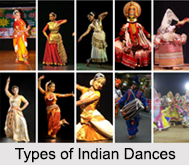
With a sublime history and laced with its sheer intricacies Indian dance style brings out the innermost feelings and emotion whilst depicting the cultural aspects of the age-old civilization of India. Based on the style, dash, and intricacies, Indian dance can be broadly classified into four types like, Classical Indian dance, Indian Folk dance, Tribal dance and the modern Indian dance.
Classical Dance forms of India
Classical dance forms in India hold a distinct and revered place in the country`s cultural heritage. The Sangeet Natak Akademi, a prestigious institution dedicated to the performing arts, officially recognizes eight Indian classical dance styles as follows:
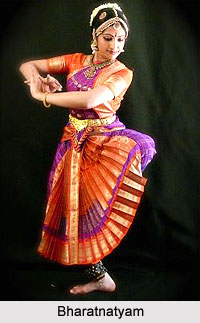 Bharatanatyam: With roots dating back to 1000 BC, Bharatanatyam is a classical dance originating from the South Indian state of Tamil Nadu. This dance form, predominantly performed by women, is often accompanied by classical Carnatic music. Traditionally performed in Hindu temples, Bharatanatyam expresses Hindu religious themes and spiritual ideas, including those related to Shaivism, Vaishnavism, and Shaktism.
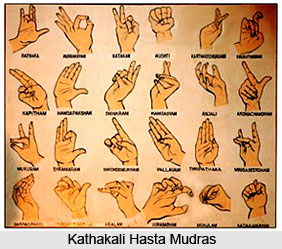
Kathakali: Kathakali is a highly stylized classical dance-drama that emerged in Kerala in the 17th century. It is renowned for its elaborate use of colorful make-up, intricate costumes, and face masks worn by actor-dancers, who have traditionally been male. Kathakali is known for its "story play" genre of art.
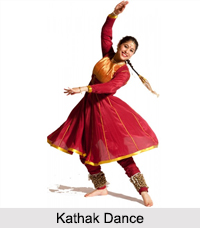
Kathak: Kathak is attributed to the traveling bards of ancient northern India known as Kathakas or storytellers. The term "Kathak" derives from the Vedic Sanskrit word "Katha," meaning "story." It evolved during the Bhakti movement, incorporating tales of Hindu god Krishna, and found a place in the courts of north Indian kingdoms.
Kuchipudi: Kuchipudi, a classical dance form, originated in the modern-day Indian state of Andhra Pradesh. Rooted in antiquity, it developed as a religious art linked to traveling bards, temples, and spiritual beliefs. Historically, Kuchipudi was performed by male dancers, often Brahmins, who portrayed both male and female characters in their performances.
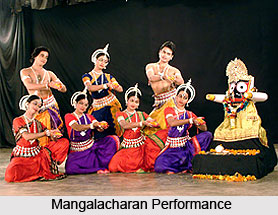
Odissi: Odissi traces its origins to the Hindu temples of Odisha, an eastern coastal state of India. Predominantly performed by women, Odissi narrates religious stories and spiritual ideas, particularly those related to Vaishnavism, Shiva, Surya, and Hindu goddesses.
Sattriya: Sattriya is a classical dance-drama rooted in the Vaishnavism monasteries of Assam. It is attributed to the 15th-century Bhakti movement scholar and saint, Srimanta Sankardev. The one-act plays of Sattriya, known as Ankiya Nat, blend aesthetics and religion through ballads, dance, and drama.
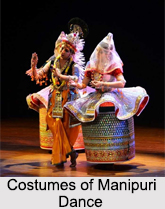
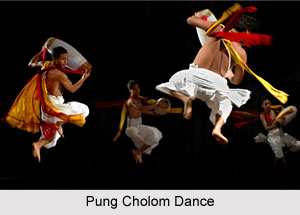
Manipuri: Manipuri Raas Leela dance is a unique dance drama with its origin in Manipur, a northeastern Indian state bordering Myanmar. It features Hindu Vaishnavism themes, particularly the love-inspired dance drama of Radha-Krishna called Ras Lila.
Mohiniyattam: Mohiniyattam, hailing from Kerala, derives its name from Mohini, the seductress avatar of Vishnu in Hindu mythology. This dance form follows the Lasya style, characterized by delicate, soft movements and a feminine grace described in the Natya Shastra.
Folk Dance forms of India
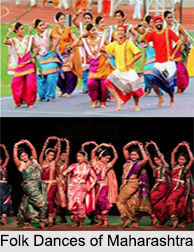
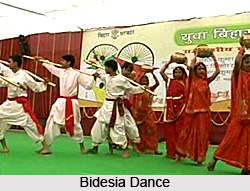
Folk dances in India are a living testament to the cultural diversity and traditions that thrive in rural communities. These dances serve as a means of expressing daily work routines, rituals, and the vibrant tapestry of village life. In addition to folk dances, India boasts a myriad of tribal dance forms, each steeped in the rich folklore and traditions of indigenous groups. Every Indian state possesses its unique folk dance forms, each showcasing regional customs and artistic expression. Some notable folk dances include:
Bihu and Bagurumba: Celebrated in Assam, Bihu and Bagurumba reflect the spirit of the state`s vibrant culture.
Garba, Gagari, Ghodakhund & Dandiya: Gujarat is known for its exuberant Garba and Dandiya dances, often performed during the festival of Navratri.
Nati: Nati is a traditional dance from Himachal Pradesh, reflecting the state`s unique culture.
Neyopa and Bacha Nagma: These dances offer a glimpse into the artistic heritage of Jammu and Kashmir.
Jhumair and Domkach: Jhumair and Domkach are vibrant folk dances that celebrate the tribal traditions of Jharkhand.
Bedara Vesha and Dollu Kunitha: Karnataka`s Bedara Vesha and Dollu Kunitha are intricate dance forms reflecting the state`s cultural diversity.
Thirayattam and Theyyam: Kerala showcases its vibrant culture through Thirayattam and Theyyam dances.
Dalkhai: Dalkhai is a traditional dance from Odisha, rooted in the state`s rich heritage.
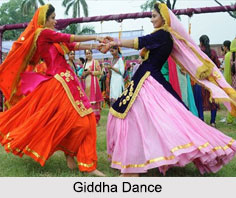
Bhangra and Giddha: Punjab is famous for the energetic Bhangra and graceful Giddha dances.
Kalbelia, Ghoomar, and Rasiya: Rajasthan`s folk dances, including Kalbelia, Ghoomar, and Rasiya, are celebrated for their vibrant expressions.
Perini Dance: Telangana`s Perini Dance reflects the state`s unique artistic heritage.
Chholiya Dance: Chholiya Dance is a traditional dance form that represents Uttarakhand`s cultural diversity.
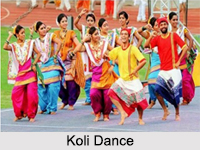
Lavani, Lezim, and Koli Dance: Maharashtra is known for Lavani, Lezim, and Koli Dance, showcasing the state`s rich traditions.
 Tribal Dance forms of India
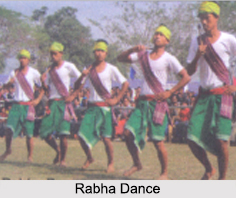
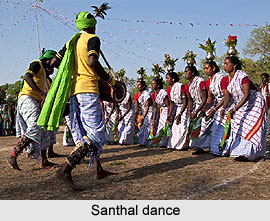
Tribal dances in India draw inspiration from the folklore and customs of various ethnic groups. These dances closely mirror the lives, social relationships, work, and religious affiliations of tribal communities. Some key features of tribal dances include:
Local Instruments: Tribal dances predominantly use locally crafted instruments, with percussion instruments playing a central role.
Diverse Music: Tribal music varies from mild and soothing to strong and rhythmic, encompassing a wide range of aesthetics.
Costumes: Dancers wear traditional attire, often characterized by distinct patterns and mirror work for women, and corresponding clothing for men.
Cultural Expression: Tribal dances often celebrate contemporary events, victories, and are a means of appeasing tribal deities.
From Andhra Pradesh to Sikkim, Tamil Nadu to West Bengal, and countless other regions, India`s tribal dances form an integral part of its cultural mosaic. These dances encapsulate the essence of the nation`s diverse heritage, providing a window into the rich traditions that have been passed down through generations. Some of the popular tribal dances of Indian states are listed below.
Andhra Pradesh: The state has a wealth of indigenous dance forms that trace their roots to tribal societies. Some of them are Siddi, Tappeta Gundlu, Urumulu, Butta Bommalata, Goravayyalu, Garaga, Vira Ntyam, Kolatam, Chiratala Bhajana, Dappu, Puli V Esham, Gobbi, and Karuva.
Arunachal Pradesh: Some of the tribal dances of Arunachal Pradesh include Ponung, Sadinuktso, Khampti, Ka Fifai, Idu Mishmi, and Wancho.
Assam: Tribal dances of Assam include Dhuliya and Bhawariya, Deodhani, Zikirs, and Apsara-Sabah
Goa: Dances that reflect the culture of Goan tribes are Mussoll, Dulpod or Durpod, Kunnbi-Geet, Amon, Shigmo, Fugdi, and Dhalo.
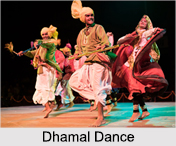
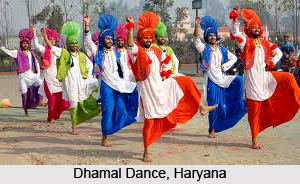
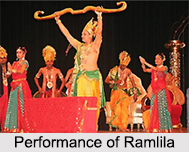
Haryana: The state of Haryana is known for some of the culturally rich tribal dance forms like Rasleela, Phag Dance, Phalgun, Daph Dance, Dhamaal, Loor, Guga, Jhomar, Ghomar, Khoria, and Sapela.
Himachal Pradesh: Tribal dance forms of this state are Chambyali dance, Ghuraiyan, Pahadi nati, Dalshone, Cholamba, Jhamakda, Jataru Kayang, Jhoori, Swang, and Rasa.
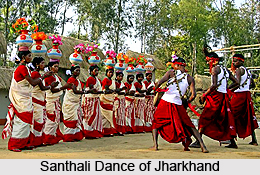
Jharkhand: This tribal state boats of some of the unique indigenous dance forms like Jhumair, Domkach, Paiki, Chhau, Mundari dance, and Santali dance.
Karnataka: This state has a large number of tribal dance forms like Veeragase, Nandi Dhwaja, Beesu Kamshaley, Pata Kunitha, Bana Debara Kunitha, Pooja kunitha, Karaga, Gorawa Mela, Bhuta Nrutya, Naga Nrutya, Batte Kola, Chennu Kunitha, Maaragalu Kunitha, Kolata, Simha, Nrutya, and Yakshagana.
Kerala: This state is home to numerous tribal dance forms and some of the notable ones are Thirayattam, Ayyappanvilakku, Vattakkali, Theyyam, Thiruvathira Kali, and Ottamthullal.
Chhattisgarh: Popular tribal dances of this state are Dadariya, Panthii, Suaa, Kaksat, Gondi, Gaur, Karma, Sarhul, Raut Nacha, and Relo.
Madhya Pradesh: Sugga, Lehangi, Matki dance, Phul Patti dance, and Grida dance are some of the tribal dances in this state.
Manipur: The state known for its majority of tribal population boats of dances like Lie Haraoba dance, Chanlam, and Toonaga Lomna dance.
Meghalaya: Wiking and Pombalang Nongkrem are the popular tribal dances in this state.
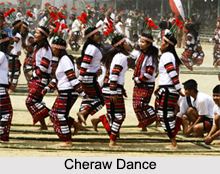
Mizoram: Cheraw, Khuallam, Chheihlam, Chailam, Tlanglam, Sarlamkai, and Chawnglaizawn are the tribal dances in this state.
Maharashtra: This coastal state is known to be the home of tribal dances like Koli, Bala Dindi, and Dhangari Gaja.
Odisha: Naga, Ghumri, Chhau, Goti Pua, Dal khai, Baagha Nacha, and Keisabadi are the tribal dances of this state.
Punjab: Kikli, Sammi, and Karthi are indigenous dances of this state.
Rajasthan: Known for many indigenous tribes, this state has is home to many dance forms like Banjaara, Fire dance, Tera tali, Kachhi Ghori, and Geedar.
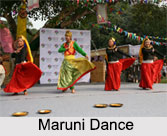
Sikkim: This state has some famous tribal dances like Pang Toed Chaam, Maruni, and Tamak.
Tamil Nadu: Karakam, Kummi, Kuravaik Koothu, Oyil Kummi, and Pavakkuthu are some of the tribal dances of this state.
West Bengal: Bengal has a rich tribal culture that is reflected in some of the tribal dances of this state like Chhau, Santali dance, Jatra, and Gazan.
Tribal Gypsies: Lozen and Gouyen are dances of tribal groups who do not belief in permanent settlement in a region. They move through different states, adopting different occupations for livelihood.
Contemporary dance in India
Contemporary dance in India is a diverse and evolving genre that encompasses various dance forms and artistic expressions. It represents a fusion of traditional and modern elements, often pushing the boundaries of conventional dance. Several notable figures and developments have shaped the landscape of contemporary dance in the country.
Choreography for Indian Cinema: Contemporary dance in India finds a prominent place in the world of cinema. Choreographers play a crucial role in creating captivating dance sequences for Indian films, blending elements of classical and folk dance with modern techniques. These choreographed routines are an integral part of Bollywood and regional cinema.
Modern Indian Ballet: Pioneers like Uday Shankar and Shobana Jeyasingh have been instrumental in leading the modern Indian ballet movement. Their work involves a fusion of classical Indian dance forms, such as Bharatanatyam and Kathak, with Western stage techniques. This fusion creates a unique and innovative dance style that appeals to contemporary audiences.
Experimental Approaches: Contemporary dance artists in India often engage in experimental endeavors, exploring and redefining classical and folk dance forms. They infuse these traditional styles with modern concepts, giving rise to innovative and thought-provoking performances.
Themes and Inspirations: Productions within contemporary dance often draw inspiration from a wide array of themes, including mythology and folklore. Themes related to deities like Shiva-Parvati, epic narratives such as the Ramayana, and fables from the Panchatantra have been creatively interpreted and portrayed through contemporary dance.
Indian Dancers
Originating in the hinterlands of antiquity Indian dance has witnessed continuous alteration to gain the chic contour. The Indian dancers with their style and elan have further reshaped Indian dances to a great extent. The Indian Dancers have acquired a global fame in their respective spheres. With sheer dedication, emotion, creativity and originality the Indian dancers have aided Indian dance in taking those long strides. Alarmel Valli the popular exponent of the Pandanallur tradition in Bharata Natyam. Mallika Sarabhai one of the leading exponents of Bharatnatyam and Kuchipudi, Mamata Shankar, Anita Ratnam, Dr. Padma Subrahmanyam, Pandit Birju Maharaj and many more has delineated the richness of Indian dance.
Indian Dance Academies
The Indian dance academies have further aided in contouring the structure of dance style in India. Orissa Dance Academy is an important institution in Bhubaneswar for training in Odissi dance. Mamata Shankar Ballet Troupe is a Kolkata based dance institute, teaching and performing choreographic presentations on various contemporary dance forms. Sri Krishna Kumar Dance academy is a well-known institution in India, teaching Bharatnatyam, Vocal music, Nattuvangam and Kuchipudi. Other than the mentioned ones, there are numerous other schools and training centers, teaching Indian dance forms.
With a