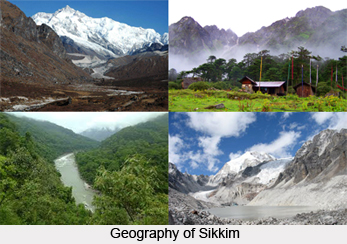
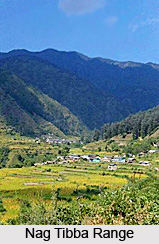
 Nag Tibba also called "Serpent`s Peak" is the highest peak in the lesser Himalayan region in the state of Uttarakhand. The Nag Tibba Range derives its name from this mountain peak. The Nag Tibba Mountain Range is one of the three principal ranges in the Lesser Himalayas, including Pir Panjal, which extends from the Great Himalayas, and Dhauladhar. Nag Tibba is considered as a paradise for adventurers and trekkers. The summer seasons are pleasing whereas the winters are rather chilling, which makes Nag Tibba one of the preferred regions for trekking and camping.
Location of Nag Tibba
Nag Tibba is located in the Uttarakhand state of India. The peak of Nag Tibba is situated at an altitude of 3,022 m and located in the Garhwal Division of the state. Nag Tibba mountain peak is located almost 57 km from Mussoorie, which is in the Tehri Garhwal region in Uttarakhand and 16 km from Landour cantonment.
Etymology of Nag Tibba
The local inhabitants believe that Nag Tibba is the abode of Nag Devta or the Lord of the Serpents. The name of the peak is derived from the name of the god himself whereas the word Tibba means peak or hill in local dialect. The local people worship the mountain in reverence to Nag Devta, for the protection of their family, as well as cattle.
Attractions of Nag Tibba
Nag Tibba is a delight for the mountaineers and explorers. It is surrounded by forest which is rich in flora and fauna. It also presents spectacular views of Bandarpoonch peak, the Gangotri group of peaks, Kedarnath peak in the north, Doonvalley and the snow peaks of Chanabang. Nag Tibba is very popular amongst the trekkers as the mountain is at an elevation of 3,022 m and the serene natural surroundings. Nag tibba is located almost 12 km from Devalsari. Tourists have to undertake a 3 km trek to reach the summit. The panoramic view of the Himalyas, from the top, is breathtaking. Trekkers and visitors need to bring proper camping gear, as a trek to Nag Tibba requires staying the night at the summit and there is no accommodation available in the area. There is a guest house at Devalsari for the convenience of the tourists.
The Nag Tibba Range is mentioned in the book, Seven Years in Tibet, which covers the journey of German mountaineer, Heinrich Harrer, from India to Tibet.