 The state of Himachal Pradesh in the northern India is a tourist hotspot. With its wide range of locations for sightseeing, trekking, mountaineering, fishing, river rafting, skiing, paragliding and ice skating, the temples of Himachal Pradesh also form an important aspect of the state. Nicknamed as the "Abode of Gods", the state has numerous temples that attracts tourists and facilitates tourism. Discussed elaborately below are some of the most important and popular temples of Himachal Pradesh:
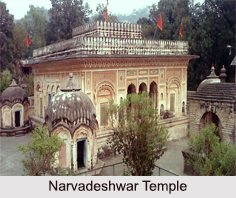
Narvadeshwar Temple : Narvadeshwar Temple is located in Tira Sujanpur in the district of Hamirpur. This temple is dedicated to Lord Shiva and his consort Parvati. It was established in the year 1802 by Rani Prasanna Devi, the wife of Maharaja Sansar Chand. The noteworthy aspects of this temple are the Bhitti style of architecture, paintings and murals.
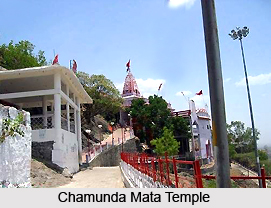
Chamunda Devi Temple : Chamunda Devi Temple is situated about 10 km from Palampur in Kangra District. This temple is dedicated to Chamunda Devi, who is the mother goddess of the people of Himachal Pradesh. Within the temple complex is a cave shrine that shelters a Shiva Lingam under a boulder. The temple is believed to be more than 400 years old and besides a water pool, overflowing with the stream water, are statues of Lord Shiva and Goddess Saraswati.
Bil Kaleshwar Temple : Bil Kaleshwar Temple is located on Nadaun- Sujanpur road at the confluence of River Beas and Kunah Khad. This temple is almost 400 years old and is dedicated to Lord Shiva, who is represented in the temple in the form of Shiva Lingam.
 Jhaku Temple : Jhaku Temple is located in Shimla at a height of about 8500 ft. This temple serves as a home to an elephantine statue of Lord Hanuman. More specifically, this figure has a height of about 108 ft and is a major attraction in Shimla.
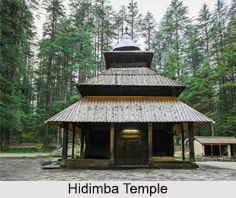
Hidimba Temple : Hidimba Temple is situated in Manali and is dedicated to Hidimba Devi, who is recognized as the wife of Pandava, Bhima. This temple was constructed around a cave amidst a thick forest. It is considered to be one of the most famous temples of Manali and is a popular tourist attraction.
Bhimkali Temple : Bhimkali Temple is located in Sarahan which is at distance of about 180 km from Shimla. This wooden temple, which presents a unique combination of the Buddhist and Hindu temples, is one of the 51 Shakti Peethas of India. The intricate wood carvings of this temple draw the attention of tourists.
Panch Vakreta Temple : Panch Vakreta Temple is situated in Mandi at the confluence of Beas and Suketi Rivers. It has a five faced image of Lord Shiva. This temple is a fine representation of the Shikhara style of architecture. The Archeological Survey of India has named it a national heritage monument.
 Baba Balaknath Temple : Another of the popular temples of Himachal Pradesh, the Baba Balaknath temple is a cave temple situated in the Chakmoh district. This cave temple is carved out of a rock and dedicated to Baba Balaknath, who was a great devotee of the Hindu deity Lord Shiva. Tourists throng to this temple, especially during the time of Navratri, which is celebrated with much enthusiasm.
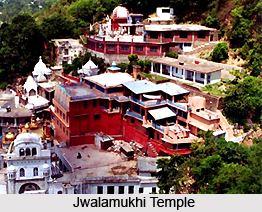
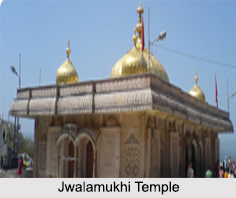
Jwalamukhi Temple : Also known as Jwalaji, the Jwalamukhi Temple is situated to the south of the Kangra Valley and is dedicated to the Hindu Goddess, Jwalamukhi, deity with a blazing mouth. One of the noted attractions of the place is a copper pipe, out of which flames emerge. There are nine similar flames in the chamber of the temple, named after different goddesses including Mahakali, Unpurna, Chandi, Hinglaj, Bindhya Basni, Maha Lakshmi, Saraswati, Ambika and Anji Devi.
Chintpurni Temple : Mata Chintpurni is believed to take all the worries and troubles away with her.
Naina Devi Temple : It is believed that Sati`s eye fell at the place where this temple is situated.
Balasundari Temple : A large number of devotees come from different parts of the country and pay their respect to the goddess.
Chaurashi Temples : According to the popular legend, Chaurasi Yogis visit Bharmour during the low of King Sahil Verman.
Masrur Temple : 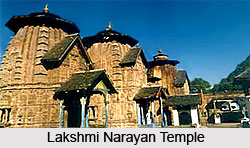 The Masrur Temple at Kangra in the state of Himachal Pradesh is famous for its rock cut structures.
Bhutnath Temple : Bhutnath temple is the focus in the month of March because of the celebration of Shivratri.
Lakshmi Narayan Temple : Raja Chhatra Singh, on the other hand, contributed the gilded pinnacles on the temple tops.
Baijnath Temple : According to the legend, Ravana, the King of Lanka had worshipped Lord Shiva in the main Baijnath Temple.
Bijli Mahadev Temple : It is believed that every flash of lightening smashes to smithereens the Shiva Linga and the Priest restores it again with butter and satoo.
Hatkoti Temple : The Hatkoti Temple complex consists of a main temple dedicated to Durga.
Poanta Sahib : Legend states that Guru Govind Singh lost an ornament that he wore on his foot called a `paonta` while bathing in the waters of Yamuna.
Brajeshwari Devi Temple : Emperor Akbar visited the temple with his Dewan, Toder Mal and restored its former grandeur.
Ardhanari Temple : Mandi, one of the beautiful towns of Himachal Pradesh boasts the rare Ardhanari image with superior carvings.
Dhankar Monastery : It has Buddhist scriptures in Bhoti language and relics in the shape of paintings and sculptures as its belongings.
Guru Ghantal Monastery : Along with numerous other lamas, there are idols of Padmasambhava and Brajeshwari Devi.
Namgyal Monastery : This monastery located at Dharamshala in the state of Himachal Pradesh is also known by the name of Namgyal Dratsang.
Rewalsar : It was from here only that Padmasambhava set out to spread his religion in the land of Tibet.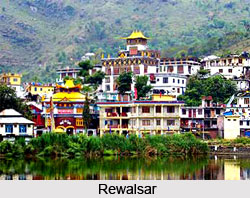
Kardang Monastery : Beautiful Thangka paintings, musical instruments and old weapons are to be found in the monastery.
Shashur Monastery : Deva Gyatsho carried out the work of renovation and gave it the present structure.
Tayul Monastery : The monastery boasts a twelve feet tall statue of Padmasambhava, hundred million Mani wheels, which turn by it on extremely sacred events.
Thang Yug Gompa : The monastery is associated with the Sa-kya-pa sect of Buddhists and is well known for its historical significance.