
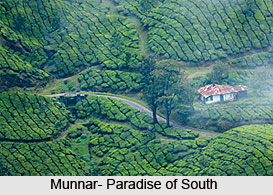
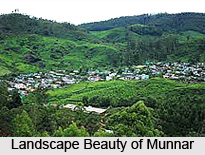
 One of the most popular hill stations in India, Munnar is situated at the confluence of three mountain streams - Mudrapuzha, Nallathanni and Kundala. 1600m above sea level, this was once the summer resort of the erstwhile British Government in South India. Sprawling tea plantations, picture book towns. winding lanes, trekking and holiday facilities make Munnar a unique experience. Among the exotic flora found in the forests and grasslands here is the Neelakurinji - a flower which blooms every 12 years and bathes the hills in a blue hue. The Neelakurinji, will bloom next in 2006 AD. Munnar also has the highest peak in South India - Anamudi - Which towers over 2695 m and is an ideal spot for the enthusiastic mountaineer.
Munnar
One of the most popular hill stations in India, Munnar is situated at the confluence of three mountain streams.
About Munnar
One of the most popular hill stations in India, Munnar is situated at the confluence of three mountain streams - Mudrapuzha, Nallathanni and Kundala. 1600m above sea level, this was once the summer resort of the erstwhile British Government in South India. Sprawling tea plantations, picture book towns. winding lanes, trekking and holiday facilities make Munnar a unique experience. Among the exotic flora found in the forests and grasslands here is the Neelakurinji - a flower which blooms every 12 years and bathes the hills in a blue hue. The Neelakurinji, will bloom next in 2006 AD. Munnar also has the highest peak in South India - Anamudi - Which towers over 2695 m and is an ideal spot for the enthusiastic mountaineer.Temples in Munnar
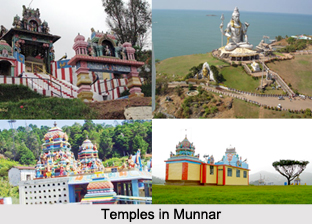 Munnar, a town and hill station in the Idukki district of Kerala, is home to many ancient temples. These temples celebrate various festivals that are participated by a large number of people. Some of these temples and their festivals are described below:
Sree Krishna Temple : This temple of Munnar is dedicated to Lord Krishna. It is located at Peermade, 42 km from Kurnili. The annual festival here is celebrated for ten days. It starts with the hoisting of the temple flag (Kodiyettam). The last two evenings of the festival are marked by lively performances of Ottanthullal and Kavadiyattam. On the last night, the ‘Thidampu’ is taken out for the ‘Arattu’ i.e. holy bath. It is a colourful procession with the Thidampu. It is ceremoniously carried on a caparisoned elephant along with the temple music, ‘Panchavadyam’, indicates the conclusion of the festival.
Sree Dharmasastha Temple : This temple of Munnar is dedicated to Lord Dharmasastha. The deity is Ayyappa, who was born of Hari (Lord Vishnu) and Hara (Lord Shiva), with Hari assuming the form of a female (Mohini). This festival of Dharmasastha temple is celebrated with lots of pomp and gaiety. During the festivals, ‘Ammankudam’ and ‘Thalappow’, ‘Garudanvaravu’, the folk rituals are performed, which represent the celestial bird, Garuda.
Subramanya Temple : Sri Subramanya Temple is a Hindu temple located in Munnar in the Idukki district of Kerala, where Lord Muruga is worshipped as the principal deity. Situated on a small hill, the temple was worshipped by the Muthuvan tribal community in the past. Earlier, the Nambudiris held the tantric rights of the temple, while at present these rights are held by local Tamil Brahmins. Three poojas are conducted daily, including the Usha pooja in the morning, the Ucha pooja at noon, and the Attazha pooja in the evening. The annual festival, Thrikarthika, is celebrated in the Malayalam month of Vrischikam (November to December). The day of the Uthram asterism in the month of Meenam (March to April) is also observed as an important festival of the temple.
Mariamman Kovil : Mariamman Kovil, also known as Sree Poomariyamman Temple, is located in the heart of the Munnar town. Goddess Mariamman, the deity enshrined in the temple, is worshipped as the Goddess of rain and fertility. The colourful temple serves as a central place of worship for the local Tamil community and hosts one of the most important annual events on the cultural calendar. During the festival, colours, music, and traditional rituals create a festive atmosphere that attracts both devotees and tourists.
Sri Ganesha Temple : Sri Ganesha Temple in Munnar is a Hindu temple dedicated to Lord Ganesha, located in the Kannan Devan Hills. The temple is famous for the massive 38-foot-tall Ganesha statue, regarded as the largest in South India. The temple enjoys considerable recognition among devotees, who believe that Lord Ganesha fulfills their wishes and removes the difficult problems faced by them.
Munnar Vanapathrakaliamman Temple : Munnar Vanapathrakaliamman Temple is located at Periyavarai Estate in the Puthukadu Division of Kannan Devan Hills. It is a Hindu temple dedicated to Goddess Amba, a form of Goddess Durga. It is believed that worshipping Goddess Amba leads to the fulfillment of all wishes.
Sree Murugan Kovil : This temple is dedicated to Lord Subramanya. This deity is also known as Sree Muruga, son of Lord Siva. Here, ‘Thrikkarthika Utsavam’ festival is celebrated with lots of fun.
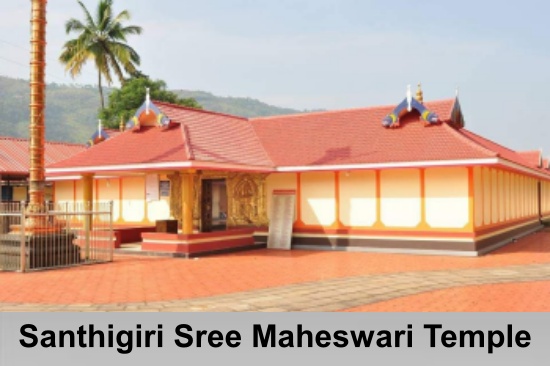 Santhigiri Sree Maheswari Temple : Santhigiri Sree Maheswari Temple is located in Adimali near
Munnar and is a shrine dedicated to Lord Shiva. Nestled amid the lush greenery
of the Western
Ghats, the temple is known for its tranquil ambiance and spiritual
significance. It hosts an annual five-day festival that culminates on Maha Shivaratri,
considered the most auspicious day for worship. The temple’s traditional
architecture and its setting in the heart of Adimali town make it an important
destination for visitors exploring temples in the Munnar region.
Santhigiri Sree Maheswari Temple : Santhigiri Sree Maheswari Temple is located in Adimali near
Munnar and is a shrine dedicated to Lord Shiva. Nestled amid the lush greenery
of the Western
Ghats, the temple is known for its tranquil ambiance and spiritual
significance. It hosts an annual five-day festival that culminates on Maha Shivaratri,
considered the most auspicious day for worship. The temple’s traditional
architecture and its setting in the heart of Adimali town make it an important
destination for visitors exploring temples in the Munnar region.
Sree Ayyappa Temple : This temple is situated at Mundakkayam, around 65 km from Thekkady. It is dedicated to Lord Parthasarathy. The six-day annual festival of the temple begins with the ceremonial hoisting of the temple flag (Kodiyettam).
Sree Parthasarathy Temple : This temple is situated at Mundakkayam, around 65 km from Thekkady. It is dedicated to Lord Parthasarathy. The six-day annual festival of the temple begins with the ceremonial hoisting of the temple flag (Kodiyettam).
Parvathi Amman Temple : Parvathi Amman Temple is located on Top Station Road in Munnar. It is a shrine dedicated to Goddess Parvathi. Surrounded by the lush greenery of tea plantations, the temple offers a tranquil ambiance for devotees and visitors. Its traditional architecture reflects the cultural heritage of the region, making it a significant spiritual and cultural landmark. The temple is visited by those exploring Munnar, offering a peaceful retreat and an opportunity to connect with the divine amid the picturesque landscapes of the Western Ghats.
Shri Kaliyamman Temple : Shri Kaliamman Temple is situated in Vaguvarai Tea Estate against the backdrop of lush green eucalyptus plantations. Also known as the Kalikaparamesvari Temple, it is dedicated to Goddess Kali. The deity is worshipped as the Kulatheivam or Kaval Daivam of the Vaguvarai Estate. Access to Vaguvarai is provided through the 9th Mile Udumalpet Road and the Munnar Top Station Road. The surrounding region is rich in flora and fauna, with rare rhododendrons found in parts of Vaguvarai and Gundumallay, along with the much sought-after kurinji flowers in Vaguvarai.
Sree Krishnaswamy Temple : This temple is dedicated to Lord Krishna. It is located at the heart of Thodupuzha town. Every year, a ten-day festival is celebrated in this temple. "Kathakali" performances are also held on 5th and 6th days of the festival.
Thus, the festivals of Munnar are the occasions of mirth and excitement. All the above mentioned temples and their festivals attract pilgrims from various corners of India.
Visiting Places In and Around Munnar
 Munnar is a hill Station in Kerala. It is situated 129 kms from Cochin, with an altitude ranging from 1600 to 1800 meters above sea level. There are several beautiful places in and around Munnar, which attract lots of tourists here. Some of these places are given here:
Pothanmedu : This place has enormous plantations of tea, coffee and the spice cardamom. It is encompassed by picturesque hills and green mountains. It is destination of most of the trekkers. The visitors can reach here from Munnar, which is just 6 km away.
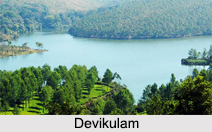
Devikulam : It is situated about 7 km from Munnar. The `Sita Devi Lake` here is a natural mineral water lake. This lake lends its name to the place Devikulam, which literally means `the Pond of Goddess`. This cool hill station has the richness of a typical Ghat region.
Pallivasal : It is situated 8 km from Munnar. It is the site of the first Hydro Electric Project of the State. The place is flourished with natural beauty.
Attukkal : This place situated only 9 km from Munnar is renowned for its waterfalls and serene hills. It is situated in between Munnar and Pallivasal.
Nyayamakad : It is situated about 10 km from Munnar, between Rajamala and Munnar. It is a naturally gifted place, which has all the beauties of awesome waterfalls. The waters roll down the hills from a height of 1600 m in a grand cascade gaining momentum with every inch of their long track.
Chithirapuram :
 This place is separated from Munnar by 10 km. It has beautiful little cottages, grand bungalows, old playgrounds and courts. Pallivasal Hydel Power Project is also situated here. Tea plantations can also be seen here.
Mattupetty : This exquisite place has a lake and a dam. The sheets of water squired by mighty mountains make it a fine picnic spot. The boating facility is provided by the DTPC Idukki. Lots of tea plantations can also be seen here. This place is situated at about 1700 meter above sea level. A highly specialised dairy farm, the Indo-Swiss Livestock Project can be seen here. The visitors can enter to only 3 of the 11 cattle sheds here.
Echo Point : It is situated about 15 km from Munnar. The natural echo phenomenon takes place here as the name suggests. It lies on the way to the top station from Munnar.
Eravikulam National Park : This park is situated about 15 km from Munnar. It covers an area of 97 sq. km in the Devikulam Taluk. The flora and fauna of this park are found in large numbers and variety. The Nilgiri Tahr and a pedigree breed of cattle are among the exotic fauna of here. Here, the Anamudi Peak is situated at 2695m above the sea level.
Rajamalai :
 The `Nilgiri Tahr` is one of the original inhabitant varieties of animal species of this region. But, its population here is declining now. The tourists are allowed to enter here.
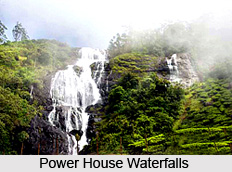
Power House Waterfalls : It is situated18 km from Munnar. It is on the way to the Periyar wildlife sanctuary. The waterfall pours down from steep rocks at 2000 m above the sea level. This beautiful fall attracts the visitors who stand still to enjoy it.
Kundala : This beautiful town is situated 20 km from Munnar. It is situated on the way to the top station. A vast Golf course of Tata Tea Ltd can be seen here. The Kundala dam here adds to the charm of the beauty. The magnificent waterfall of `Aruvikkad` is also located near Kundala.
Anayirankal : This is a wonderful place, situated about 22 km from Munnar. There is an enchanting dam and a beautiful reservoir here. Lots of aromatic tea plantations of the Tata Tea Ltd and the evergreen forests combine to make it a perfect picnic spot.
Top Station : It is the highest point in Munnar hence the name is `Top Station`. It is situated about 1700 m above sea level, on the Munnar-Kodaikanal Road. It is about 32 km from Munnar. This region is said to be the origin of the exotic flower `Neelakurinji`. It is brilliant blue I colour and blooms only once in 12 long years. But when they do, the entire region gets coated by the rare beauty. From here, the aerial view of parts of the adjoining State Tamil Nadu can be obtained.
Marayoor :
 It is 40 km from Munnar and is well known for the scent of sandal in its air. A natural growth of sandalwood trees takes place here and it is the only place in Kerala where it happens. Here, a sandalwood factory is run by the Forest Department. The walls of the wonderful caves here are carved with painting and sculptures relating to the `New Stoneage Civilization`.
Cheeyapara : This place is famous for its marvellous waterfalls. Cheeyapara and Valara waterfalls are located between Neriamangalam and Adimali on the Kochi-Madurai highway. This is also a good place for trekking.
Meenuli : This place is famous for a massive rock of about 500 acres in area. Two lavish acres of beautiful evergreen forest is situated above this rock, which challenges mountaineers.
Malankara Reservoir : This wonderful artificial lake is situated 6 km from Thodapuzha. It is well known for the Boating and fishing done here.
Thommankuthu : This place is located about 28 km from Thodapuzha. One can see waterfalls here, which are like the `Cheeyapara falls`. It flows down a flight of seven steps in a captivating cascade forming a pool beneath each step. Lots of adventurers are attracted to the place.
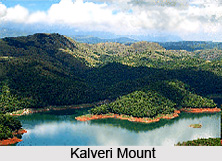 Kalvari Mount : This is a famous pilgrim centre on the way to Kattappana.
Chinnar Wildlife Sanctuary : It is situated about 60 km from Munnar on the Kerala-Tamil Nadu border. This sanctuary covers an area over 90.44 sq. km. A large number of animals and bird species are found here. The visitors can enter here between 7:00 to 18:00 hrs.
The visitors need to take the permission of the Wildlife Warden, Idukki Wild Division, Painau Wildlife DFO, Munnar to go there.
Munnar Tea Museum
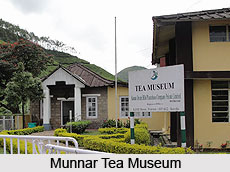 Munnar Tea Museum has been set up by the giant, Tata Company. Tata Tea is a major producer of packaged tea in India. The museum displays facts about the gradual progress towards the evolution and growth of tea plantations in Munnar.
The museum houses many curious photographs and machineries. These artefacts all depict and signify the turning point that led to the flourishing of the tea industry in this region. The museum set up at the Nallathanni Estate of Tata Tea in Munnar is an apt tribute to the toils and rigours of its pioneers, who showered their utmost determination in their efforts to transform Munnar into a major plantation centre of Kerala.
The tea museum at Munnar displays some of the items which include the original tea roller to the modern fully automated tea factory, the `Rotorvane,` dating back to 1905, used for CTC type tea processing; the `Pelton Wheel` used in the power generation plant that existed in the Kanniamallay estate in the 1920s; a rail engine wheel of the Kundale Valley Light Railway that shuttled men and material between Munnar and Top Station during the first half of the last century. Tourists also receive information about the production of black tea. A section of the Tea museum also houses classic bungalow furniture, typewriters, wooden bathtub, magneto phone, iron oven, manual calculators and EPABX of the1909 telephone system.
A sundial can be seen here placed on a granite block. It is an odd artefact made in 1913 by the Art Industrial School at Nazareth. It welcomes visitors to the Tea Museum. If one is curious to locate an item in the museum with some antiquity, then they can take the aid of a burial urn from the second century BC. This was found near Periakanal estate.
Another attraction of the Munnar Tea Museum is the demonstration room for tea tasting. Here one can understand the nuances of tea processing at the CTC and orthodox tea-manufacturing unit at the museum.
Thus a visit to the Munnar Tea Museum reveals information about the genesis and growth of tea plantations in Kerala`s high ranges.
Recently updated articles in Cities of India
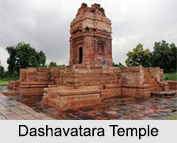
Places of Interest in Deogarh Uttar Pradesh
A place of historical and archaeological significance, Deogarh is a site with few popular places of interest.
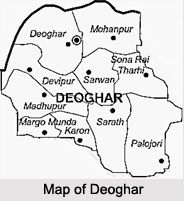
Deoghar in Jharkhand
Deoghar is the divisional headquarters of Santhal Parganas located in Jharkhand and is popular for the famous Baidyanath temple and Shiva Temples.

The Asiatic Society of Mumbai
Asiatic Society in Mumbai is the temple of Asian Studies from the time of British rule in India.

Vasco da Gama / Vasco City
Vasco da Gama / Vasco is the biggest city of Goa and is one of the most visited for its perfect amalgamation of business as well as leisure options.

Agriculture of Ladakh
Agriculture in Ladakh is primarily practiced in the short summer season due to its cold desert climate. Farmers grow hardy crops like barley, wheat, p...
Related articles in Cities of India
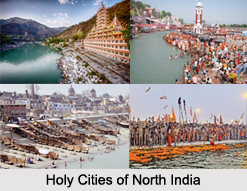
Holy Cities of North India
Holy Cities of North India are having the rich history of Hinduism and the entire civilization was grown up with the hands of beliefs, rituals and the...
Holy Cities of South India
Holy Cities of South India gives the detailed cultural formation of Dravidians from the early era, which later developed to the world by the Pallavas...
Holy Cities of West India
Holy Cities in West India were established by the rulers of Rajputs and the Satvahana Dynasty and the medieval rulers of Junagadh.
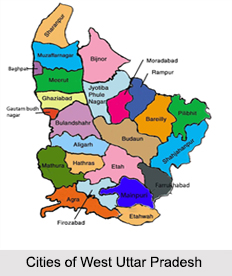
Cities of West Uttar Pradesh
Cities of West Uttar Pradesh include Meerut, Bulandshahr, Ghaziabad, Saharanpur, Muzaffarnagar, Bijnor, Bareilly, Rampur, Agra, Aligarh, Mathura and m...

Port Cities of South India
Port Cities of South India are developed from the early phase of colonial era when the Portuguese and the French traders came to India