 History of Gulbarga district goes back to a long tradition of dynastic rule. In the earlier days, Gulbarga was known as `Kalburgi`, which means stony land in the Kannada language. In the earlier days, Gulbarga was a district of Hyderabad Karnataka area and became a part of Karnataka State after re-organization of states.
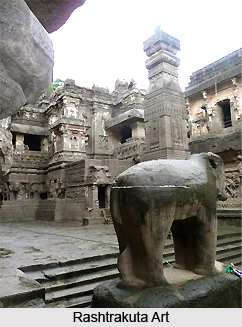
The earliest known and recorded history of the region goes back to the 6th century A.D. Initially the Rashtrakutas dynasty had gained control over the area but the Chalukya dynasty regained their domain within a short period and reigned supreme for over 200 years. The Kalahari`s who succeeded them ruled till the 12th Century AD. Around the close of the 12th century, the Yadavas of Devagiri and the Hoysalas of Dwarasamadra destroyed the supremacy of the Chalukyas and the Kalachuris. About the same period the Kakatiya dynasty of Warangal came into prominence and the present Gulbarga and Raichur districts formed part of their domain. The Kakatiya power was subdued in 1321 AD and the entire Deccan including the Gulbarga district passed under the control of the Muslim Emperors of Delhi.
In 1347 AD, the Bahmani kingdom was founded as a result of the revolt of the Muslim officers who had been appointed from Delhi. The kingdom was founded by Hassan Gangu who chose Gulbarga as his capital. When the Bahmani dynasty finally came to an end, the kingdom broke up into five independent Sultanates and the present Gulbarga district came partly under Bidar and pertly under Bijapur. With the conquest of the Deccan by Aurangzeb in the 17th century, Gulbarga passed back to the rulers of the Mughal dynasty. In the early part of the 18th century when Mughal Empire was declining Asaf Jah, a general of Aurangzeb, became independent and formed the Hyderabad State in which a major part of Gulbarga area was also included. In 1948 Hyderabad state became a part of Indian Union and in 1956, excluding two talukas which were annexed to Andhra Pradesh the remaining talukus of Gulbarga district became part of New Mysore State.
Gulbarga is 613 Km north of Bengaluru and well connected by road to Bijapur, Hyderabad and Bidar. The historical imprints of the various dynasties that ruled over the Gulbarga district are still found in the various ancient monuments that lie strewn over the district. These include the Gulbarga fort, tombs of the Bahmani Kings, shrines to Muslim Saints and temples. Thus the rich historical legacy of Gulbarga and the remnants of dynastic rule are still found in the Gulbarga district in the form of the different monuments lying in the region.