
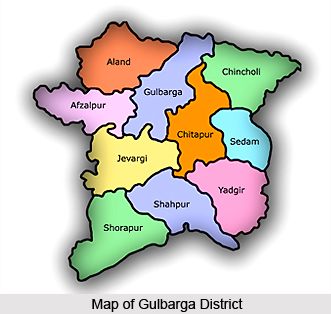
 Gulbarga district is situated in the northeastern part of Karnataka. Spread over an area of 16224 sq. km. the district is geographically located between 17ø19 minutes and 60 seconds North latitude and 76 degree and 49 minutes 60 second East longitude.
Gulbarga district
Gulbarga district of Karnataka is a major tourist destination in the state.
Introduction
Gulbarga district is situated in the northeastern part of Karnataka. Spread over an area of 16224 sq. km. the district is geographically located between 17ø19 minutes and 60 seconds North latitude and 76 degree and 49 minutes 60 second East longitude.History of Gulbarga District
 History of Gulbarga district goes back to a long tradition of dynastic rule. In the earlier days, Gulbarga was known as `Kalburgi`, which means stony land in the Kannada language. In the earlier days, Gulbarga was a district of Hyderabad Karnataka area and became a part of Karnataka State after re-organization of states.
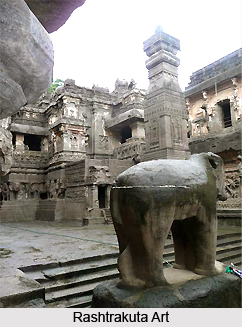
The earliest known and recorded history of the region goes back to the 6th century A.D. Initially the Rashtrakutas dynasty had gained control over the area but the Chalukya dynasty regained their domain within a short period and reigned supreme for over 200 years. The Kalahari`s who succeeded them ruled till the 12th Century AD. Around the close of the 12th century, the Yadavas of Devagiri and the Hoysalas of Dwarasamadra destroyed the supremacy of the Chalukyas and the Kalachuris. About the same period the Kakatiya dynasty of Warangal came into prominence and the present Gulbarga and Raichur districts formed part of their domain. The Kakatiya power was subdued in 1321 AD and the entire Deccan including the Gulbarga district passed under the control of the Muslim Emperors of Delhi.
In 1347 AD, the Bahmani kingdom was founded as a result of the revolt of the Muslim officers who had been appointed from Delhi. The kingdom was founded by Hassan Gangu who chose Gulbarga as his capital. When the Bahmani dynasty finally came to an end, the kingdom broke up into five independent Sultanates and the present Gulbarga district came partly under Bidar and pertly under Bijapur. With the conquest of the Deccan by Aurangzeb in the 17th century, Gulbarga passed back to the rulers of the Mughal dynasty. In the early part of the 18th century when Mughal Empire was declining Asaf Jah, a general of Aurangzeb, became independent and formed the Hyderabad State in which a major part of Gulbarga area was also included. In 1948 Hyderabad state became a part of Indian Union and in 1956, excluding two talukas which were annexed to Andhra Pradesh the remaining talukus of Gulbarga district became part of New Mysore State.
Gulbarga is 613 Km north of Bengaluru and well connected by road to Bijapur, Hyderabad and Bidar. The historical imprints of the various dynasties that ruled over the Gulbarga district are still found in the various ancient monuments that lie strewn over the district. These include the Gulbarga fort, tombs of the Bahmani Kings, shrines to Muslim Saints and temples. Thus the rich historical legacy of Gulbarga and the remnants of dynastic rule are still found in the Gulbarga district in the form of the different monuments lying in the region.
Geography of Gulbarga district
Situated entirely on the Deccan Plateau, it is positioned at a height of 300 to 750 meters above mean sea level. Gulbarga is strategically located 613 km. from Bangalore, the state capital and is well connected by road to important cities like Bijapur, Hyderabad and Bidar. The Krishna and the Bhima are the main rivers flowing through the district.
Economy of Gulbarga district
The district has a dry climate with an annual rainfall of about 750 mm. The district is dominantly agrarian supported by few industries. The main soil found in the district is black soil, which facilitates the cultivation of crops like jowar, groundnut, rice, sugarcane, sunflower, wheat, cotton, linseed and pulses. The Upper Krishna Project in the district is a major irrigational venture. Some of the major industries in the region are textile, leather and chemical industries.
Temples of Gulbarga District
 The temples of Gulbarga district in Karnataka are some of the extraordinary constructions of the ancient days that depict the artistic skills of the ruling dynasties in Karnataka. The Gulbarga district is situated in the northeastern part of Karnataka and is a major tourist destination, which generates high revenue for the district. The main temples of Gulbarga district in the district are Sharana Basveshwara Temple and Sri Ram Mandir. Sri Kshetra Gangapur is a famous pilgrimage center of God Sri Sadguru Dattarya that is situated very close to Gulbarga. Thousands of pilgrims visit the temples of Gulbarga district during the annual festivals.
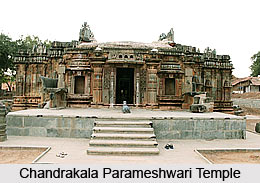
Chandrakala Parameshwari Temple is one of the oldest temples of Gulbarga district that was constructed 1,200 years back. The Chalukyas who ruled the region built this old temple situated at Hongunta in Shahabad Taluk. The chief deity of the temple is goddess Shakti, also called as Chandrakala Parameshwari. Hindu traditions state that Shakti is the mother Goddess, the source of the universal principle of energy, power or creativity. Devotees from throughout the country come here to pay their offerings to Goddess Chandrakala Parameshwari. The merging of the Bhima River and Kagina River here is beautiful to perceive. Sangamnath Temple and Benki Thatha`s Shrine are two more temples of Gulbarga district located nearby.
Chinmalli Mallikarjuna Temple, one of the delightful temples of Gulbarga district is situated at Chinmalli, about 50 km from Gulbarga, in Karnataka. This 12th century shrine is nestled on the banks of Bhima River. This temple enshrines Lord Shiva as the presiding deity and a beautiful Shivling is installed in the sanctum sanctorum of the temple. The temple boasts an impressive octagon hall. According to an inscription in this temple, the Yadava dynasty king Ramachandra`s wife Mahamandaleshwari Mayi offered contributions in this temple. Another inscription on the walls describes the method of offering puja to Mallikarjuna.
The annual festivals in the temples of Gulbarga district are usually held in January and are a major draw. The `footwear procession,` held once in three years on the previous day of Sankranti, attracts thousands of devotees from far a near to the temples of Gulbarga district.
Tourism in Gulbarga district
The district is a major tourist destination, which generates revenue for the district. The main attractions in the district are Gulbarga Fort, Sharana Basveshwara Temple, and Sri Ram Mandir. Sri Kshetra Gangapur is a famous pilgrimage center of God Sri Sadguru Dattarya, situated very close to Gulbarga. Thousands of pilgrims visit Gulbarga during the annual festival held at the tomb of Khwaja Bande Nawaz Darga to commemorate his death anniversary. On the banks of the River Bhima, Jevargi is an important religious place. The Bonal Lake, Nazarapur Falls, Gottam Gotta Forests and the Uplloan Hills are exciting excursion sites in the district.
Recently updated articles in States of India
Bandare Waterfalls, Meghalaya
Bandare Waterfalls in South Garo Hills, Meghalaya, is a secluded natural attraction surrounded by dense subtropical forests and rugged mountain terrai...
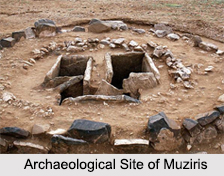
History of Thissur District
Early History of Thissur District explains flourishing of the port cities. Now these port cities are transformed into archaeological sites.
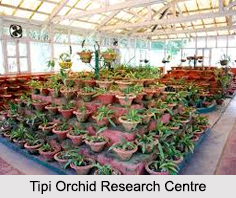
Tippi Orchid Research Centre, Arunachal Pradesh
Tippi Orchid Research Centre in Arunachal Pradesh is renowned for its rich collection of exotic and endangered orchids. Surrounded by lush rainforest...
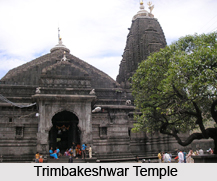
Tourism in Nashik District
Pilgrimage tourism in Nashik district involves visiting the various places of Hindu and Jain worship located here. Some of the holiest sites for Hind...
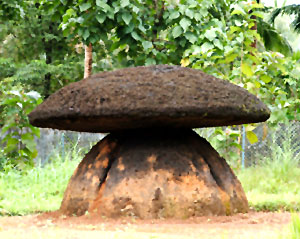
Mangadu, Kerala
Mangadu in Kerala’s Kollam district is a significant megalithic site known for its urn burials, cist burials, menhirs, and stone circles. Excavations...
Related articles in States of India
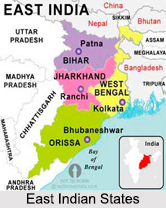
East Indian States
East Indian States comprises of Bihar, Jharkhand, West Bengal, Odisha and also the Union Territory of Andaman and Nicobar Islands. It defines the cult...
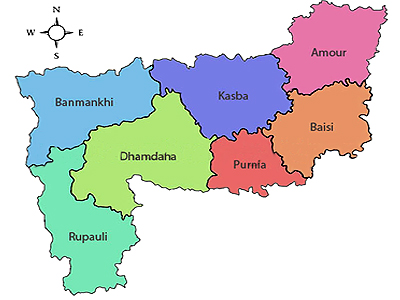
Purnia District in Bihar
Purnia District is located in Bihar and extends from River Ganga to Nepal. The district has a rich Hindu history and glorious past.
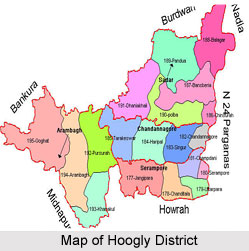
Hooghly district
Hooghly District along the bank of the river Hooghly is one of the principal trading ports of West Bengal.
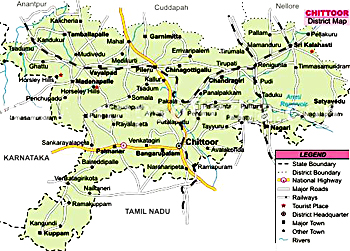
Geography Of Chittoor District
Geography of Chittoor district is spread along the topography of the land which is divided into two natural divisions; Chittoor has a dry and healthy...
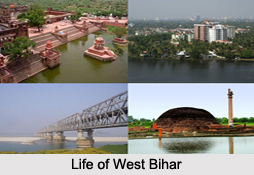
Districts of West Bihar
Districts of West Bihar is comprised of medieval monuments that were built by the different governors of Mughal era.