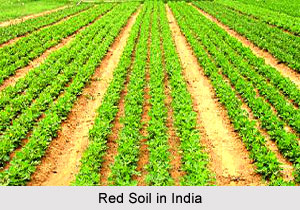
 Red Soil in India comprises of more drainage properties than other types of soils as it is formed of clay, created by wearing and tearing of limestone and formed by the breakdown of igneous rocks and metamorphic rocks. When limestone erodes, the clay enclosed within the rocks remains intact with other forms of non-soluble materials. In oxidizing conditions, rust or iron oxide develops in the clay, when the soil is present above the water table giving the soil a characteristic red colour. Red soil in India lacks nitrogenous material, phosphoric acid, organic matter and is rich in iron. Some of the major crops grown in the red soil in India include groundnut, millets, ragi, rice, potato, sugarcane, wheat, tobacco etc.
Features of Red Soil
Red soils are formed as a result of the draining down of old crystalline rock, less clayey and sandier in nature. This is having a rich content of iron plus small humus content. The content of essential nutrients like nitrogen, phosphorus and lime is very less in red soils. Slightly acidic, it is incapable of retain moisture. It is due to the presence of iron oxide deposits, that red soils get the unique red tint and are comparatively infertile because of lime deficiency and soluble salt content.
Red Soil in India is alternatively known as Yellow Soil. The presence of a good concentration of iron oxide is responsible for giving this soil its yellowish or reddish shade. Heavily leached, it consists of a considerable concentration of iron oxides similar to Laterite soil in India. Comparatively, Red Soils are less clayey and sandier. Moreover, Red soils are formed in those areas which receive significantly low rainfall and therefore are less leached in comparison to the Laterite soil in India. Further, red or yellow soils build up generally on metamorphic rocks. These soils are acidic in nature and this is one similarity between laterite soils and red soils. Red soils are not able to preserve moisture and hence, crops are cultivated mostly during the rainy season. In order to get higher yield in this type of soil, constant application of manures is very vital. Red soils mostly develop in the Great Indian Peninsular Plateau. Interestingly, in the valleys and lowlands, Red Soils are deep and very fertile. On the other hand, at the hill slopes, they are mostly poor and thin.
Distribution of Red Soil in India
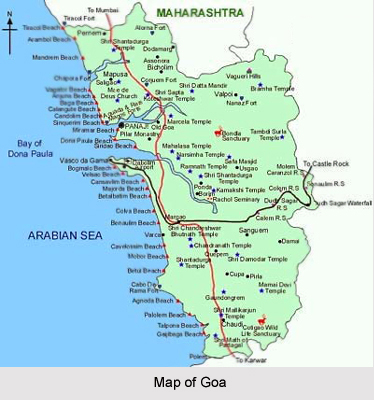
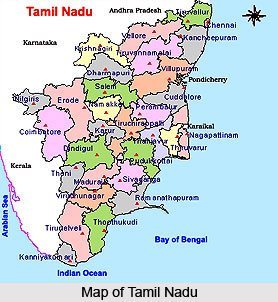
Red Soil in India is largely available in the Deccan Plateau. It is mainly seen in the district of Periyar and Salem in the state of Tamil Nadu. In India, red soil is also found in several other regions including Madhya Pradesh, Andhra Pradesh, Southern Karnataka, Bihar, Maharashtra, Goa, Eastern Rajasthan, West Bengal and other states of North-East . A glimpse over the country`s map will make one scrutinise that the north-western portions of the peninsular block is covered by black soil while the rest south-eastern half is covered by red soil of various shades of yellow and red. Red soils have matured on older crystalline rocks, under deep and rational rainfall conditions. They basically surround the whole black soil region on all sides, and cover the eastern part of the peninsula, comprising Chota Nagpur Plateau, Orissa, eastern regions of Madhya Pradesh, Telangana, Tamil Nadu plateau and Nilgiri Hills.
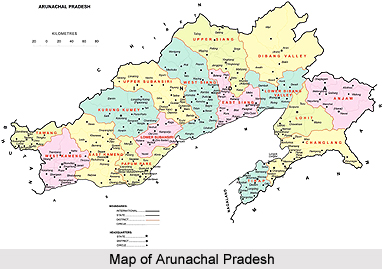
They are found to continue northwards in the west, along the Konkan Coast of Maharashtra state. They also develop in the Eastern Ghats mountain range in India, Shillong plateau and Bihar plateau. Red soils are also found in the state of Manipur and Mizoram. Red soils are loamy in profound depressions and they also consist of an exceedingly crude material in uplands. Reds soil function well with irrigation waters and dosage of fertilisers.
Types of Red Soil in India
There are few particular types of red soils which are clays. These types of red clayey soils are used in ceramic projects, either mixed with other materials or alone. Suitability for building and ceramics relies on soil composition. Red clay soils have been used historically in the preparation of building materials like bricks. Red Soil in India is extremely absorbent, deep and fine grained. Apples tend to grow well on Indian red soil.