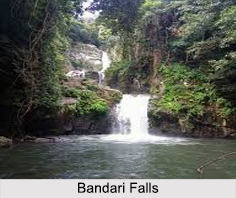
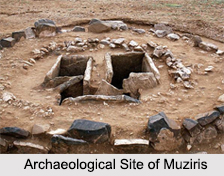
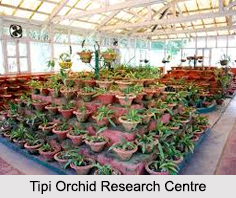
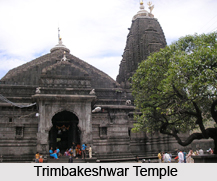
 Flora and Fauna: Owing to the varying altitude from the Himalayas to the coastal plains, the flora and fauna of the state is diverse. Forests make up 14% of the geographical area of West Bengal, which is lower than the national average of 23%. Protected forests cover 4% of the state area. Part of the world`s largest forest is located in southern West Bengal.
Climate: West Bengal experiences three distinct seasons over the course of the year. Winter (more accurately described as the cool season, considering the lack of significantly cold temperatures) lasts from October to February. When March comes along, the state begins to see its hot and dry period, which continues on through early June. Finally, from late June to early September, West Bengal falls under its monsoon season. In terms of lifestyle choices, the monsoon season makes the largest impact on West Bengal life, because the strength of the monsoon rains has a sizeable impact on the quantity and varieties of harvested crops.
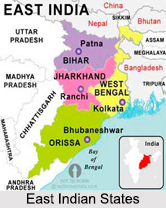
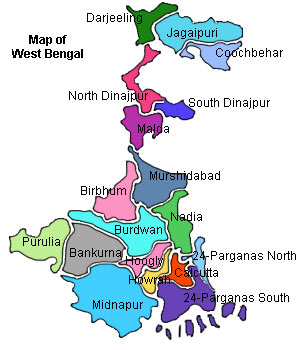
Location: Location in northeast India, West Bengal is bounded north by Sikkim and Bhutan east by Assam and Bangladesh, South by the Bay of Bengal and Orissa, west by Bihar and Jharkhand, and northwest by Nepal.
More on West Bengal
| Tribes of West Bengal | Bengali Theatre | Temples of West Bengal | Colleges of West Bengal |
| Tribal jewellery of West Bengal | Bengali Language | Districts of West Bengal | Medical colleges of West Bengal |
| Airports in West Bengal | Crafts of West Bengal | Cities of West Bengal | West Bengal Cricketers |
| Monuments of West Bengal | Bengali Wedding | Personalities of West Bengal | Bengali Literature |
| Folk Dances of West Bengal | Bengali Folktale | Museums of West Bengal | Bengali Newspapers |
| Festivals of West Bengal | Bengali Cinema | Universities of West Bengal | Places to See in West Bengal |