 Ancient temples of India exhibit the religious beliefs as well as the skilful craftsmanship of an era long gone-by. One of the most remarkable features of the ancient temples of India is their variety. While the temple building idiom of North, South, East and West India are markedly distinguishable, the Buddhist shrines stand out as well with their kind of architectural works. These unmatched and artistic architectures of the temples in India contribute richly to the Indian cultural heritage as well.
Popular Ancient Temples of India
The earliest temples in India are the rock cut and cave temples. These cave temples are directly cut out from the mountains. Following are the famous ancient temples of India:
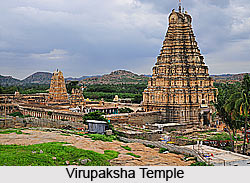
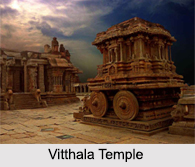
Temples of Hampi: The group of monuments located at Hampi are also acknowledged as a UNESCO World Heritage Site. The "Vittala temple" and "the stone chariot" are the most iconic pictogram of Hampi.
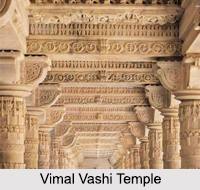
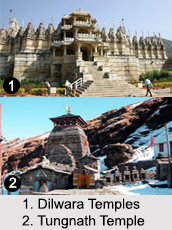
Dilwara Temples: Dilwara Temples are located at Mount Abu, Rajasthan. These Jain temples were built in between the 11th and 13th century. These are a creation of elaborate craftsmanship and built of marble. These five temples are exclusive in their architecture and cultural significance.
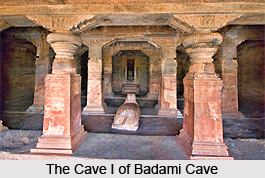
Badami Cave Temples: The fourth one is dedicated to Jainism, and the fifth one is a Buddhist cave. Badami Cave Temples of Karnataka were built in the 6th century. These are the captivating blend of Hindu, Jain, and Buddhist cave temples and are made in the style of Badami Chalukya architecture. These are all artificial in Badami sandstone. They are six in numbers and first three are based on Hindu mythology. The sixth one was discovered in 2015 and has Hindu carvings.
Konark Sun Temple: Konark Sun Temple is located at Odisha. It is also another UNESCO World Heritage Site. It was built in the 13th century by the Kings of the Eastern Ganga dynasty. The gigantic structure stands without the "vimana" which was 229 feet tall, or the main chamber. The temple was in the shape of a chariot, with 12 pairs of wheels and seven horses. It was a specimen of the Kalinga architecture made with Khondalite rocks.
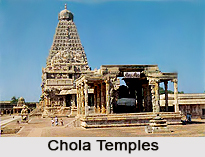
 Adi Kumbeswarar Temple: Adi Kumbeswarar Temple is located at Tamil Nadu. During the months of February and March, the festival of Masi Magam is grandly celebrated here. It was built in the 7th century by the Chola dynasty, with later on additions and modifications by succeeding kings. The complex is spread over an area of 30,181 square feet, in which the eastern tower is the tallest, which stands at 128 feet.
Jagatpita Brahma Mandir: It is located at Pushkar, Rajasthan. Though the present structure is from the 14th century but it is believed to have been built some 2,000 years ago by sage Vishwamitra. Among the few temples dedicated to Lord Brahma, the Jagatpita Brahma is one of them, which is built of marble and stone with motifs of the "hamsa", or a swan.
Tungnath Temple: This temple is located at Uttarakhand. According to the myths, it was the mythological heroes "Pandava" who built the temple to worship Lord Shiva. The temple is very small in size and can hardly put up ten people. It is made of black rock, and the building style is parallel to the temple in Kedarnath. It is the highest Shiva temple in the world.
Kailashnath Temple: This temple is located at the caves of Ellora. It is a massive and remarkable structure carved out of a single rock. The Kailashnath temple is the 16th cave among the 34 stunning caves of Ellora. Believed to be built in the 8th century, this royal temple is built in the Pallava style.
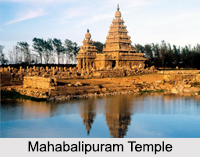
 Mahabalipuram Temples: This temple is located at Tamil Nadu. The structures are a mix up of "rathas"-shaped (Chariot) temples, "mandapas", huge open-air rock reliefs and all are dedicated to Lord Shiva.
Lad Khan Temple: This temple is located at Aihole, Karnataka. It was built in the 5th century and was made by the kings of the Chalukya dynasty. The method of architecture is "Panchayatana" and has 12 pillars with an innermost area containing the holy place dedicated to Lord Shiva.
Mundeshwari Devi Temple: This temple is dedicated to Lord Shiva with Shakti and is located at Bihar. It is considered the oldest well-designed temple in the world. It is believed to have been built in the Saka era and the Archaeological Survey of India (ASI) dates it to 108 AD. It has been built in the shape of an octagon, which is an a typical style of construction.
Subrahmanya Temple: This temple is located at Saluvankuppam, Tamil Nadu. It is a mix up of two structures, one belonging to the 9th century Pallava era and the other belonging to the 8th century Sangam era.
Badrinath Temple: This temple is located near to the Alaknanda River, in the Chamoli district of Uttarakhand. It is a part of the four holiest sites or the "Char Dhams" in Hindu religious conviction. It is one of the 108 temples dedicated to Lord Vishnu.
Brihadeeswara Temple: This temple is located at Thanjavur city of Tamil Nadu. This 11th century temple was built by the Chola emperor Raja Raja Chola I. It is dedicated to Lord Shiva and is the largest temple in India.
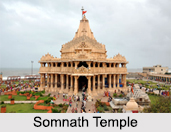
 Somnath Temple: This is one of the oldest pilgrimage centres in India and is mentioned in the ancient books like "Shiva purana", "Skanda purana" and "Shreemad Bhagvat". It is one of the most sacred "jyotirlingas" among the 12 existing "jyotirlingas" of India. The temple is located in Prabhas Kshetra in Saurashtra, Gujarat.
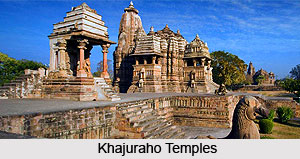
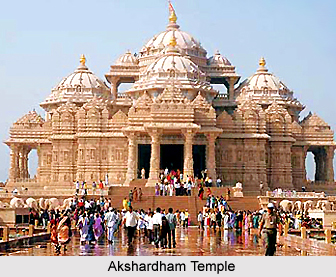
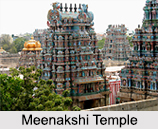
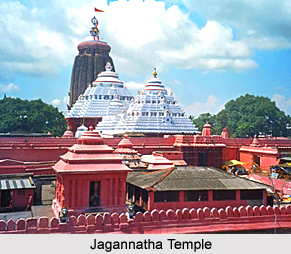
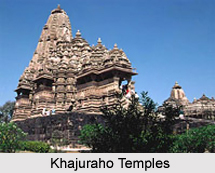
Other famous ancient temples of India are Kedarnath Temple, Sanchi Stupa, Ramanathaswamy Temple, Vaishno Devi Mandir, Siddhivinayak Temple, Gangotri Temple, Golden Temple, Kashi Vishwanath Temple, Lord Jagannath Temple, Meenakshi Temple, Amarnath Cave Temple, Kanchipuram Temples, Khajuraho Temple, Ajanta Ellora Cave Temples, Lepakshi Temple situated in Anantapur, Thousand Pillar Temple in Warangal, Mahabodhi Temple in Gaya, Dwarkadhish Temple in Dwarka, Mahabalipuram Temple, Akshardham Temple and so on.
The ancient era was the time when religious practices flourished the most and the ancient temples of India became the storehouse of culture and knowledge.