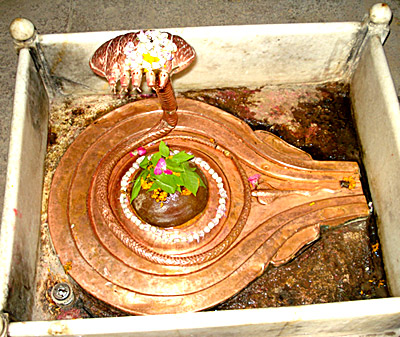
 Jyotirlinga is a shrine where Lord Shiva is worshipped. They are called Jyotirlingas because Lord Shiva appeared to his devotees in the form of Jyoti i.e. light on the night of Aridra Nakshatra. Lord Shiva is also known by the names of Gaurishankar and Shankar and is present in the form of light in twelve ancient pilgrimage centers in India. It is believed that devotees praying with a pure heart can see him in the form of jyoti at these places.
The name and locations of the twelve Jyotirlingas are mentioned in the Shiv Purana. The first name that comes to mind is the Temple of Lord Kedarnath on the banks of the River Mandakini on the west side of the Kedar mountain in Himalayas. It is at a distance of 200 km. from Rishikesh.
The Temple of lord Vishwanath in Varanasi is also a popular destination among devotees.
The temple of Lord Somnath is situated near Veraval in western part of Gujarat. Mahakaleswar Temple or the Temple of Bhagwan Mahakal is located in the town of Ujjain. This linga is believed to be Swayambhu (self manifested not built by any tool or human hand).
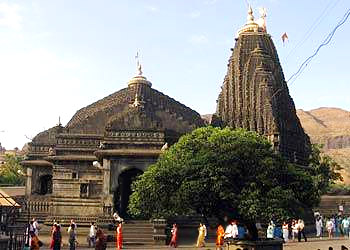 The temple of Lord Omkareshwar is situated on the banks of the Narmada River.
The Temple of Lord Rameshwar is situated in a large island surrounded by sea in the southern side of India.
The temple of Lord Mallikarjuna is situated in the state of Andhra Pradesh.
The temple of Lord Trimbakeshwar is situated 20 km. from the city of Nashik. This Jyotirlinga shrine is associated with the origin of the Godavari River.
The temple of Lord Bhimashankar is situated amidst hill and verdant green fields about three hours from Pune. It is situated in the Sahyadri range of Maharastra.
Lord Nageshwar Temple is situated in Dwarka in Gujarat.
The temple of Lord Baijnath is situated in Bihar on a place called Kiul on the Patna Kolkata rail route.
The temple of Lord Grineshwar is situated adjacent to the famous Ellora Caves.