
Nayaka dynasty ruled Southern India. The downfall of Vijayanagara Empire led to the emergence of Nayaka dynasty. They were military governors who ruled under the command of Vijayanagara Empire. They emerged in the sixteenth century. However, post Battle of Talikota many of them became independent as the army of Vijayanagar was crushed to defeat. Nayaka dynasty had their influence in realms of administration, art and sculpture and literature. The Nayak kingdoms included:
Nayaka dyansty of Ikkeri
Nayaks of Madurai
Nayaks of Thanjavur
Nayaks of Senji
Nayaks of Kalahasti
Nayakas of Chitradurga
Nayaks of Beluru, Channapatna and Rayadurga
Nayak of Wandiwash
Nayaks of Ikkeri
Keladi Nayaka Kingdom or Nayaks of Ikkeri (1499 - 1763 AD) was an important ruling dynasty of post-medieval Karnataka. They initially ruled as a feudatory of the Vijayanagar Empire. They ruled significant parts of Karnataka including Shivamogga, the whole of coastal districts and parts of central districts of present day Karnataka till 1763. They were overthrown by Hyder Ali, the king of Mysore. They were Lingayats and linked to banijiga merchant community however devoted to the Shringeri peetha. The Nayaka clan included Cheudappa, Sadashiva Nayaka, Sankanna, Chikasankanna, Ramaraj Nayaka, Hiriya Venkatappa Nayaka, Virabhadra Nayaka, Shivappa Nayaka, Chikkavenkatappa Nayaka, Bhadrappa Nayaka, Somashekara, Keladi Chennamma, Basavappa, Somashekara, Kiriya Basavappa, Chennabasappa and Queen Virammaji.
Nayaks of Madurai
Nayaks of Madurai were rulers of a region comprising of modern-day Tamil Nadu, India, with capital as Madurai. This dynasty had thirteen rulers. Tirumalai Nayaka and Rani Mangammal were well known. This dynasty belonged to Telugu speaking Balija social group and they claimed their ancestry from Bana. The thirteen rulers of this dynasty are: Queen Meenakshi, Vijaya Ranga Chokkanatha, Rani Mangammal, Rangakrishna Muthu Virappa, Chokkanatha Nayaka, Muttu Alakadri, Tirumalai Nayak, Muttu Virappa, Muttu Krishnappa, Kumara Krishnappa, Vitthala Raja, Visvanatha Nayakka Ayyar and Sevappa Nayaka.
Nayaks of Thanjavur
Nayaks of Thanjavur were the rulers of Thanjavur principality of Tamil Nadu between the 16th to the 17th century. They are known for their encouragement of art and literature. The kings of Nayaks of Thanjavur are: Sevappa Nayak, Achyutappa Nayaka and Vijayaraghava Nayaka.
Nayaks of Senji
The Nayaks of Senji were the rulers of Gingee principality of Tamil Nadu between the 16th to the 18th century CE. Though they ruled independently they were at times at war with the Tanjore neighbours and the Vijayanagara overlords later based in Vellore and Chandragiri.
Nayaks of Kalahasti
The Nayaks of Kalahasti were rulers of the principalities of Kalahasti and Vandavasi. They belonged to the caste of Velama. Members include Chennappa Naicker and his son Venkatapathy.
Nayaks of Chitradurga
Nayaks of Chitradurga ruled parts of eastern Karnataka. They were feudatories during the rule of Hoysala Empire and Vijayanagara Empire. Later they ruled as an independent kingdom as well as feudatory of the Mysore Kingdom, Mughal Empire and Maratha Empire.
Nayaks of Wandiwash
Damarla Venkatadri Nayakudu was one of the Nayaks of Wandiwash. He ruled the coastal part of the Empire from Pulicat to the Portuguese settlement of San Thome. His headquarters was at Wandiwash. Damarla had a brother, Ayyappa Nayakudu, who resided at Poonamall, a few miles to the west of Madras. He looked after the coastal affairs.
Nayaka Dynasty in South India
Nayaka dynasty emerged post downfall of Vijayanagara Empire. Originally they were military governors who were under the supervision of the Vijayanagara Empire.
Recently updated articles in History of India
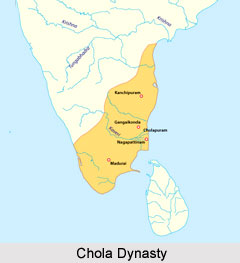
Chola Dynasty
Chola Dynasty is a Tamil dynasty and had longest duration of ruling in parts of South India. Chola dynasty had ruled South India successfully for a ex...
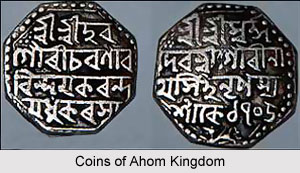
Suhungmung
Suhungmung was the fourteenth ruler of the Ahom dynasty who ruled from the period 1497 to 1539 AD. His reign was significant in terms of expansion of...
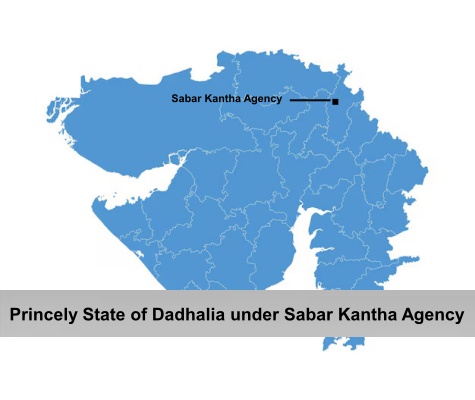
Princely State of Dadhalia
Princely State of Dadhalia was located in the present state of Gujarat. The state covered a total area of 28 sq miles and comprised of 15 villages. Th...
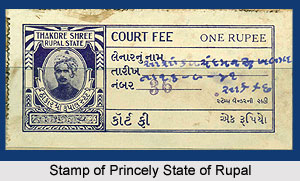
Princely State of Rupal
Princely State of Rupal was a part of the Baroda Agency, a sub division of Western India States Agency. It was under the administrative control of the...
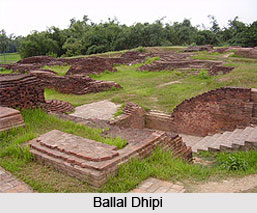
Archaeological Sites of West Bengal
Archaeological sites of West Bengal reveal several aspects of ancient India. Excavations by the Archaeological Survey of India have furnished artefact...
Related articles in History of India
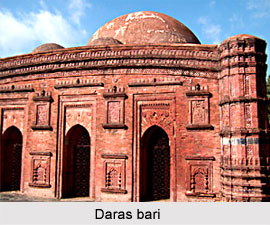
Mughal Architecture during Babur
Mughal architecture during Babur marked the foundation of a new architectural era in India, blending Timurid, Persian, and local influences. His reign...
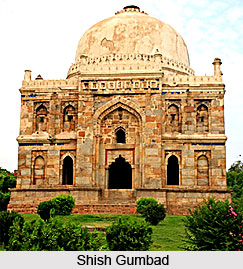
Architecture during Sayyid and Lodi Dynasty
Architectures during the Sayyid and Lodi dynasty were mainly the tombs and monuments for the dead rulers. It were carefully designed and meticulously...
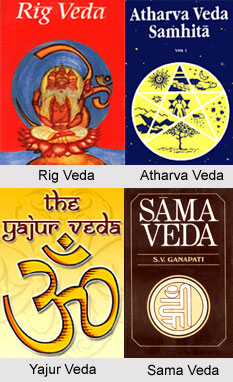
Brahmanical Sources of Ancient History
Brahmanical Sources of ancient history are contained in the Vedas and they constitute one of the most important literary sources of information about...
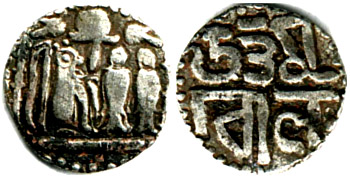
Coins of Chola Empire
Coins of Chola Empire were issued in gold, silver and copper and carried the Chola emblem.
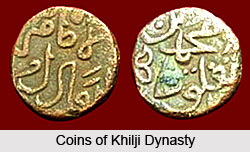
Coins of Khilji Dynasty
Coins of Khilji Dynasty had an influential feature that was followed by the other dynasties.