 Literary sources for ancient Indian culture provide a glimpse of the rich art and culture of the ancient societies of India. Through the different literary sources a clear idea of the various aspects of the ancient era can be obtained. The different aspects of the rich ancient culture comprise food habits, art forms, costumes etc. The different literary sources for ancient Indian culture include the Veda or the Vedic texts, Indian Puranas, the two great epics - Ramayana and Mahabharata, and the various literatures.
 Literary Sources on Ancient Indian Cuisine
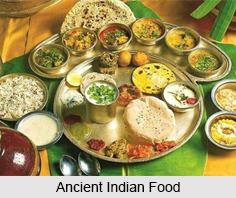
As far as the cuisines of ancient Indian society are concerned, most of the literary sources mention barley, rice, wheat, fruits, vegetables, milk products, etc. Some of them also talk about fish and meat. Like for instance, among the food grains, the Rig Veda repetitively states barley, particularly fried barley, cereals, pulses, mustard, ghee, butter and rice as the staple food. Dhanya has also been mentioned, as well as crushed grain, mixed with curd, was also relished. Moreover, in the age of Brahmanas, rice, barley and wheat appear to be the staple food. Different products of barley and rice, and various milk products are mentioned in some of the literary sources for ancient Indian culture. Some of the appliances and utensils, associated with the preparation of food, also have a mention in certain Brahmanas; for example pestle, winnowing basket, plate, pot, utensils made of bell-metal, etc. Drinks, which are mentioned, include soma, honey, milk and fruit-juice. The Kalpasutras also mentions the use of various food grains, namely rice, barley, wheat, millet, sesame and pulses. Salt and sugar appear to have been widely added to food for enhancing the taste. Vayu Purana mentions masura, tila, yava, besides varieties of rice. The offer of meal in Sraddhas and sacrifices appear to have been preordained by Shastras. Manu Smriti also discusses about food and drink.
Literary Sources on Ancient Indian Apparel
Interestingly, Vedic literature gives a brief idea of the dress code and decorations of the people of ancient societies. As regards the garments, the Rig Veda mentions that linen and wool seem to have been used in making clothes. Further, in Brahmana age, huge importance was attached to the clothing style and costumes. People were familiar with sewing, knitting and weaving. Garments made of wool, silk and cotton were mostly used. In the ancient societies of India, people widely used flowers and flower-garlands, especially in some special ceremonial occasions. According to other literary sources, the different kinds of fabric, used for making garments include silk cloth, auma or aumaka made from the yarn of flax (Uma) and hemp plants, wool and cotton.
 Literary Sources on Ancient Indian Jewellery
Jewellery made of pearl, diamond, ruby and other valuable stones also have a mention in the various literary texts of ancient India. Gold and silver ornaments of different kinds were widely used in ancient India. The use of flower garlands, perfumes, cosmetics and lotions were also in vogue.
Literary Sources on Ancient Indian Art Forms
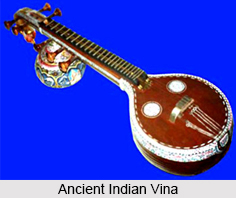
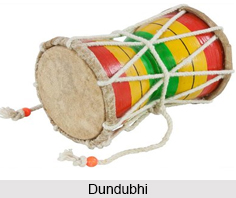
Ancient Indian culture also includes various art forms of the ancient societies. In the past there were various recreational options for the people. There is no reference to the staging of a full-fledged drama in the Vedic texts. But, it does not imply that dramatic elements were absent in those ages. Some dialogue hymns seem to have provided the people with a dramatic atmosphere. Riddles or quizzical questions most likely served as a means of popular entertainment apart from vocal and instrumental elements. The Brahmanas show that the people had an ear for music in the natural environments. Various musical instruments like the Veena (lute) and dundubhi (drum) have been mentioned. Vocal music appears to have been a means of livelihood. The literary sources for ancient Indian culture also throw substantial light on this aspect of social life. The Kalpasutra talks about the popularity of music, both vocal and instrumental. Dance, with lyrical steps and gestures of hands conveying diverse ideas, was in vogue. Dance, accompanied by vocal or instrumental music, was a very popular pastime and entertainment mode.