 The Later Vedic Culture witnessed an upsurge in religious ceremonies and growth of priesthood. Besides a significant change in Hindu religion, the Later Vedic period is considered a golden era for education as well. Whilst Hindu religion was considered to be at thriving best, elements of caste system evolved during this time. The growing difference in occupation led to the 4 types of castes: Brahmin, Kshatriya, Vaishya and Sudra. The impact of the social changes was apparent in the Later Vedic Culture as well.
Religion and Philosophy in Later Vedic Period
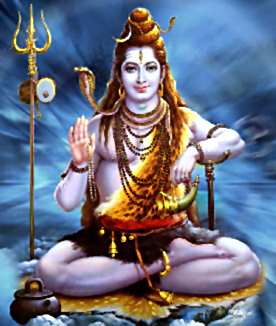
Ceremonial religion witnessed a great growth and consequently grew priesthood. Modern Hindu gods begin to emerge like Lord Shiva and Lord Vishnu. The period was most remarkable for the development of philosophy as expressed in the Upanishads. The central theme of the Upanishads is to seek unity amidst diversity. In addition to the body, there is a soul distinct from all the organs, from the mind, from the vital force. It cannot be destroyed.
The dominating characteristic of the Upanishads is the dependence on truth. Harmony is considered as a basic necessity in life. This harmony was however based on spirit, the highest truth of man. Upanishads was a fitting culmination of the Post-Vedic culture and cleared what was implied in the Vedas.
Literature in Later Vedic Period
The period was the golden age of literature. The outcomes of schools were remarkable for the efficacy and fruitfulness of their method of teaching. The student was initiated by the ceremony of Upanayana by which he entered a new life, described as a second birth, whence he becomes a dvija, twice-born. In the new life of a Brahmachari the student follows the maxim of simple living and high thinking. His is a regulated life. The aims of learning are faith, retention of knowledge, progeny, wealth, longevity and immortality, thus comprehending both secular and spiritual aims. The Kshatriyas also encouraged learning and were in many cases the intellectual leaders of the age. Education was aimed at the highest knowledge, the knowledge of the Atman or the absolute.
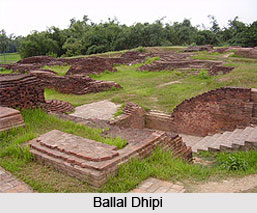
Besides these architecture also flourished in the Later Vedic age. Architectural skill is indicated in the construction of the Fire-altar with 10,800 bricks and shaped like a large bird with outspread wings. Metal-industry was in a much advanced stage. People were fond of jewelleries. Ornaments made of gold and silver were widely used.
The Vedic culture demonstrated the spirit of the Vedas whilst it was the Upanishads which were a fitting culmination of the Later Vedic Culture and made explicit what was implicit in the Vedas.