
Kunal is an important archaeological site dating back to as early as the Pre-Harappan settlements situated in Fatehabad District in Haryana, and is a part of the Indus Valley Civilization. It is based on the plains of Saraswati and used to be a village, as compared to its counterparts in Kalibangan and Rakhigarhi city of the Indus Valley Civilization. Hakra-ware has been excavated at the entry level in this small region measuring about one hectare, where homes have been constructed on a man-made raised platform. During the excavations conducted by the Archaeological Survey of India during the period from 1998 to 1999, button seals have been revealed, which suggests that the ancestors of the culture of Kunal site can be traced to the Rehman-Dheri instances. A geometrical motif and an image of two deer on one side of the seal has been observed which is similar to those found in Rehman-Dheri in Baluchistan, which are as old as the 4000 BCE.
Archaeological Excavations at Kunal
Designs of a humped bull and pipal leaves have been discovered on the surface of the Mature Harappan seals. Arrow heads, copper fish hooks, bone tools and tiny blades manufactured from chalcedony are also available here. A shell seal adorned with unique geometrical motifs and six steatite seals are amongst the other precious artefacts unearthed and those six seals bear a resemblance to the seals of Mature Harappan seals and were composed of grey stone. They are square in shape. Toy cart frames, copper rods, shell bangles, stone balls, rings, disks and toys, pieces of bangles, balls, terracotta figurines, terracotta bangles, net sinkers and much more have been uncovered from this site.
Vast quantities of jewels have been found from this region, which comprise beads of semi precious stones, two silver tiaras, gold jewelleries, copper tools, silver bangles, etc. Excavations have also brought to light two silver crowns, one a bit smaller as compared to the other, which might have probably been utilized by an elected chief or a king and his consort. Other types of excavations include copper ingots, copper furnaces equipped with smelting material and slags. Wild rice has been discovered from areas like Balu and Kunal, both being based in the northern Indian state of Haryana.
Kunal
Kunal, Haryana belongs to Indus Valley Civilization from which button seals, terracotta figurines, toy cart frames, shell bangles, gold jewelleries, stone balls, copper furnaces and other artefacts have been excavated by the Archaeological Survey of India.
Recently updated articles in History of India
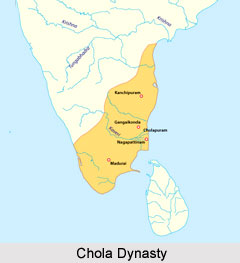
Chola Dynasty
Chola Dynasty is a Tamil dynasty and had longest duration of ruling in parts of South India. Chola dynasty had ruled South India successfully for a ex...
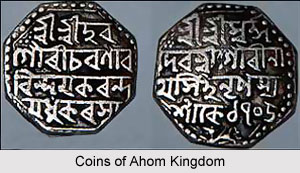
Suhungmung
Suhungmung was the fourteenth ruler of the Ahom dynasty who ruled from the period 1497 to 1539 AD. His reign was significant in terms of expansion of...
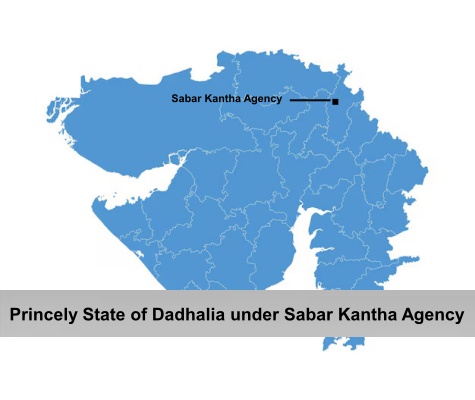
Princely State of Dadhalia
Princely State of Dadhalia was located in the present state of Gujarat. The state covered a total area of 28 sq miles and comprised of 15 villages. Th...
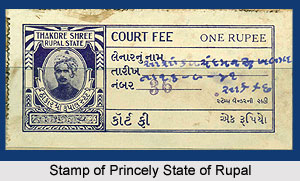
Princely State of Rupal
Princely State of Rupal was a part of the Baroda Agency, a sub division of Western India States Agency. It was under the administrative control of the...
Archaeological Sites of West Bengal
Archaeological sites of West Bengal reveal several aspects of ancient India. Excavations by the Archaeological Survey of India have furnished artefact...
Related articles in History of India

Mughal Architecture during Babur
Mughal architecture during Babur marked the foundation of a new architectural era in India, blending Timurid, Persian, and local influences. His reign...

Architecture during Sayyid and Lodi Dynasty
Architectures during the Sayyid and Lodi dynasty were mainly the tombs and monuments for the dead rulers. It were carefully designed and meticulously...

Brahmanical Sources of Ancient History
Brahmanical Sources of ancient history are contained in the Vedas and they constitute one of the most important literary sources of information about...

Coins of Chola Empire
Coins of Chola Empire were issued in gold, silver and copper and carried the Chola emblem.

Coins of Khilji Dynasty
Coins of Khilji Dynasty had an influential feature that was followed by the other dynasties.