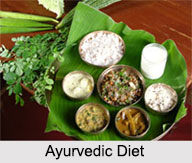
 Ayurvedic diet is a holistic health treatment that includes herbs, meditation, massage and yoga. The science of Ayurveda teaches that right diet is the foundation of healing. The ancient Indian science of medicine "Ayurveda" emphasizes that every individual requires balance and considers diet as one of the essential tools for achieving balance. Ayurvedic diet suggests a personalised diet for people whilst considering factors like age and gender, the doshic tendencies that needs to be balanced at a given time, the potency of the body tissues and the digestive abilities.
Significance of Ayurvedic Diet
Ayurvedic diet is an essential form of Ayurvedic treatments as foods provides the nutrients, which are necessary to carry out the activities pertaining to digestion and metabolism. Ayurvedic food is not merely a mixture of proteins, vitamins, fats and carbohydrates but is a basis of energy for the mind and soul. It just not only nourishes the body but also supports in restoring the balance of Tridoshas which is again a must thing in maintaining health.
Ayurvedic Principle of Diet
An Ayurvedic diet is complete only when a wide variety of food is consumed which balances the nutritive content required by the body. Any diet, which solely concentrates on one type of food, is incomplete as it is unable to balance all aspects of the physiology.
Charaka opines that whilst considering ayurvedic diet it is also necessary to be equipped with certain utensils in the kitchen. Typically referred as the Ayurvedic kitchen, this further adds to the holistic development of the body. The selection of spices is also important for preparing a healthy Ayurvedic diet. In Ayurveda it is recommended to take the diet at the correct time.
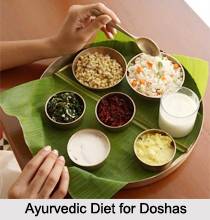 Ayurvedic diet for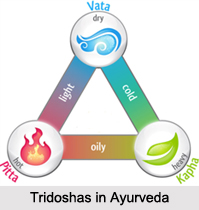
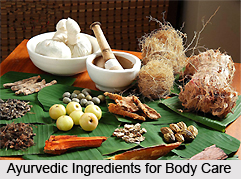 Ayurvedic Diet originated thousands of years ago but is still known to be effective in keeping human mind and body healthy. Some shloka from
 Ayurvedic diet for
 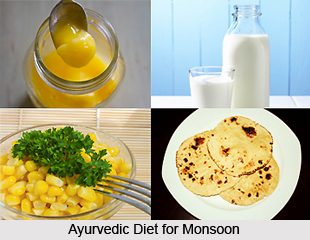 Ayurvedic diet for monsoon is very important to maintain as this is the time when
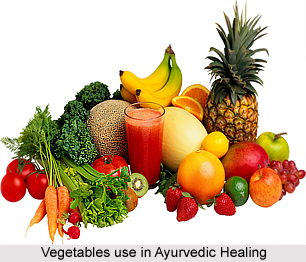 Ayurvedic diet for spring and late winter comprises of various food patterns that are essential for the proper well being of the health. During this season, the accumulated
 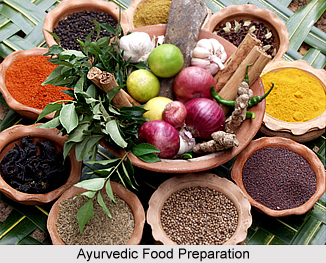 Ayurvedic diet for autumn or Sharad ritu should comprise of sweet, slight bitter and light foods. Sharad ritu is a period of transition from
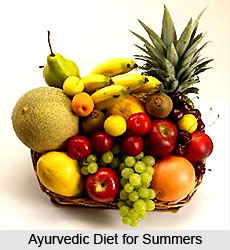
 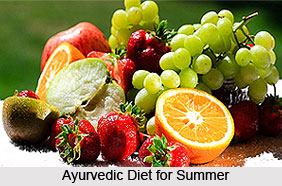 Ayurvedic diet for summer should include lots of cool beverages as it is extremely hot during this point of the year. The summer season or the "greeshma" ritu is the peak of the pitta aggravation therefore a shift from the regular diet is desirable.