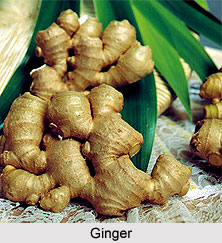
Ginger is basically an Indian spice which is used for cooking and is also used as medicines in alternative medicines. Ginger plant has a long history of cultivation and though of foreign origin is widely grown in India. Ginger is used for culinary purposes not only in India but to prepare some continental dishes in all over the world. Apart from its culinary usage, ginger is widely used in alternative medicines, in Ayurveda, Naturopathy and herbal therapy since the 1500s and in recent times, in aromatherapy.
The composition in ginger is often contained in digestive, antitussive, antiflatulent, laxative, and antacid compounds. Ginger contains pungent constituents, shogaols and gingerols, which make it effective for relieving various diseases related to vomiting and nausea. The gingerols increase the motility of the gastrointestinal tract and have analgesic, sedative, antipyretic and antibacterial properties. Ginger carries the properties of alcohol withdrawal, antacid, antifungal, antioxidant, antiseptic, anti-spasm, antiviral, aphrodisiac, asthma, atherosclerosis, athlete`s foot, bacterial dysentery, baldness, bile secretion problems, blood thinner, body warming, bronchitis, bleeding, burns (applied to the skin), cancer, cholera, colds, colic, cough suppressant, depression, diarrhea, digestive aid, diminished appetite, dose reduction or stopping of selective serotonin reuptake inhibitor (SSRI) drugs.
Ginger is found in different preserved forms including fresh ginger, dried ginger, pickled ginger, preserved ginger, crystallized ginger and ground ginger. The practitioners of Ayurveda and Naturopathy consider ginger as having an effective property for treating congestion, cough and cold. Ginger ale and ginger beer have been recommended as "stomach settlers" for generations in different countries. Ginger has also been historically used to treat inflammation, dysmenorrhea (painful menstruation), elevated cholesterol, fungal infections, flatulence (gas), flu, gonarthritis, headache, heart disease, Helicobacter pylori infection, high blood pressure, immune stimulation, impotence, increased drug absorption, increased metabolism, insecticide, intestinal parasites, Kawasaki`s disease. It has also been studied that ginger may be useful for treating diabetes.
The medical form of ginger historically was called "Jamaica ginger"; it was classified as a stimulant and carminative, and used frequently for dyspepsia and colic diseases. Ginger is contraindicated in people suffering from gallstones as the herb promotes the release of bile from the gallbladder. Ginger may also decrease joint pain from arthritis. Ginger has blood thinning and cholesterol lowering properties that may make it useful for treating heart disease. Apart from treating these diseases ginger is used to treat nausea caused by seasickness, morning sickness and chemotherapy, though ginger was not found superior over a placebo for post-operative nausea. It is a safe remedy for morning sickness, since it will not harm the fetus. According to a research, it has been revealed that ginger can be an effective treatment and preventative for both ovarian and colon cancers. It has also been found effective in the treatment of kidney disease, laxative, liver disease, low blood pressure, migraine headache, malaria, pain relief, perspiration, poisonous snake bites, promotion of menstruation, psoriasis (applied to the skin). In addition to these, ginger has been proved effectual in treating serotonin-induced hypothermia, shortening labor, stimulant, stomach ache, stomach ulcers, testicular inflammation, tonic, toothache, upper respiratory tract infections without any harm or side effect. Ginger has also been used in folk medicine to treat minor gastrointestinal problems such as gas or stomach cramps. The juice of fresh ginger has been used in folk medicine as a remedy for burns and minor skin irritation.
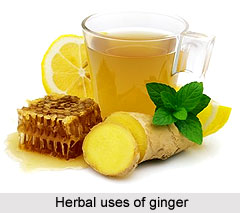
The uses of ginger is not restricted to its raw form of usage, but the oil extracted from ginger has also been proved to be curative in many diseases and is also been used in herbal therapy to ward off pains and other problems. In recent times, some spas use the ginger oil to bring refreshing effect to the mind and body. Even ginger tea is recommended to intake with honey to get relief from cough and cold, improve digestion. Sometimes powdered dried ginger root is made into capsules to be taken as a supplement.
The uses of ginger include the culinary uses of this spice in all over India. Dried ground ginger can be found in the spice aisle and is most commonly used to flavor sweet desserts and some savory dishes. Ginger is often used pickled in vinegar or sherry to be used as a snack. These thin slices of ginger are preserved in sweetened rice vinegar and most often seen used as a garnish or condiment in some continental cuisines. Ginger is also candied and can be used as a flavoring for candy, cookies, crackers and cake. Ginger is the main flavoring ingredient in ginger ale as well as ginger beer. In a traditional Korean Kimchi recipe, ginger is finely minced and added into the ingredients of the spicy paste just before the fermenting process begins. In the preparation of some continental snacks and foods like gingerbread, ginger cake and ginger biscuits, ginger or the extracts of ginger is used as the essential ingredient. Ginger is also used as a spice added to hot coffee and tea.
In the most parts of India the uses of ginger is basically as the main spice for making dishes like pulse and lentil curries and other vegetable preparations. It is used fresh to spice tea especially in winter. Also, ginger powder is used in certain food preparations that are made particularly for pregnant women and feeding mothers. Katlu is the most popular dish which is a mixture of gum resin, ghee, nuts and sugar. A special kind of called Inji-murappa which is the "ginger candy" from Tamil and Candied ginger are famous in south India. In Tamil Nadu, especially in the Tanjore belt, a variety of ginger which is less spicy is used to make fresh pickle with the combination of lemon juice or vinegar, salt and tender green chillies. The flower of a type of ginger is used in cooking in some parts of India as well as in abroad. This unopened flower is known in the Malay language as Bunga Kantan, and is used in salads and also as garnish for sour-savoury soups. In the Ivory Coast, ginger is ground and mixed with orange, pineapple and lemon to produce a juice called Nyamanku.
Ginger is considered to be an important spice in most of the Indian preparations. In addition to its culinary uses in India, it has been extensively used in the other parts of the world to add flavour in certain delicacies. The recent researches include that the extracts of ginger are helpful in various diseases. Apart from its usage in herbal therapy and Nturopathy, the modern science has taken various measures to convert its essences in capsules and make it fresh though the application of preservatives.

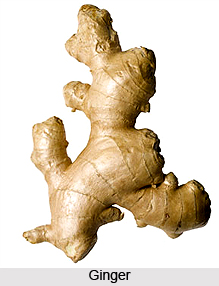 Ginger is considered to be one of the most important and indispensable spices of Indian culinary practices. It is hugely praised for its use in cookery, medicines and Ayurveda and in some cases it is also used for some therapies. There are many varieties of ginger. Generally, the more pungent versions are more effective for therapeutic or medicinal uses, while the milder versions would suffice for culinary purposes.
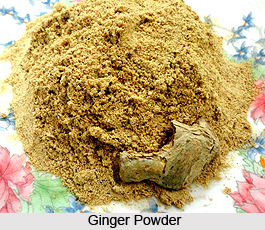 The composition of ginger entails that it has a healthy balance of Carbohydrates, Fat, Protein, Vitamin, Calcium and minerals. Among the different types of ginger some contain the properties like anti-bacterial, anti-inflammatory, anti-parasites, to stimulate appetite, etc.
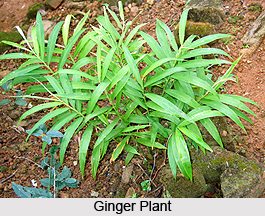
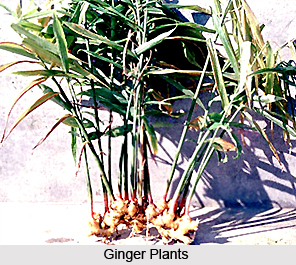 The scientific name for ginger plant is Hedychium Coronarium Koenig. It is also called dhunsuli in Oriya. Ginger Plant is a stout perennial herb which is usually 1-2 m tall. The tree`s rootstock is stout, horizontal, fleshy and is jointed. They are 2.5-5 cm thick which has leafy shoots. The tree bears large leaves with long, clasping sheaths. The apex of the tree is pointed but the base is attenuated. The sheath of the tree is smooth while its ligule is 1.8-3.2 cm long. The flowers of the tree are white in colour with delicate fragrance. The flowers are borne in dense oblong spikes which are 10-20 cm long. The bracts are closely imbricate, ovate and obtuse. At first they are green in colour but gradually they turn brown, each subtending 3-6 flowers. The fruits (capsules) of the tree are oblong, glabrous, yellow inside. The fruits bear many seeds which have a crimson aril. Ginger plant is widely distributed in moist tropical and subtropical regions of Asia from India east- wards to Malaysia. They are commonly grown in gardens throughout India and elsewhere in the tropics.
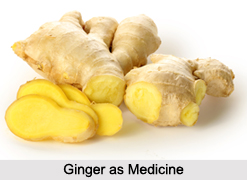 Ginger botanically known as Zingiber Officinale has a very long history of use in various forms of
 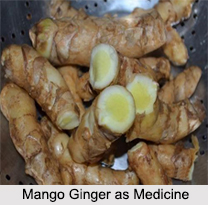 Curcuma Amada also commonly known as Mango Ginger is a plant of the ginger family and is similar to