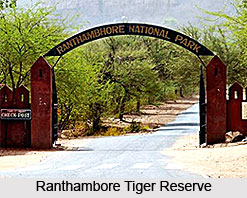
 Ranthambore Tiger Reserve is one of the popular Project Tiger Reserves in India. It is situated in Karauli district and Sawai Madhopur district in the state of Rajasthan. More specifically, the tiger reserve is situated at the junction of Aravalli Mountain Range and Vindhya Mountain Range. This tiger reserve is renowned throughout the world.
History of Ranthambore Tiger Reserve
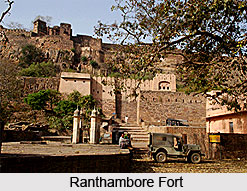
History of Ranthambore Tiger Reserve is related to Ranthambore. It was once a hub of Maharajas, the imprints of which are scattered in every hook and nook of Ranthambore Tiger Reserve. The ruins of the tenth century Ranthambore Fort is located within the tiger reserve. The fort is located on a 700 feet tall hill. The forests around the fort were once the private hunting grounds of the maharajas of Jaipur.
Geography of Ranthambore Tiger Reserve
Geography of Ranthambore Tiger Reserve relates to the topographical features of the reserve. The tiger reserve spans over an area of around 1334 square kilometers. Ranthambore National Park, Kela Devi Wildlife Sanctuary and Sawai Mansingh Sanctuary are parts of the much larger, Ranthambore Tiger Reserve. To its extreme north-east lies the Kela Devi Wildlife Sanctuary, south-west of which lies the Ranthambore National Park.
Flora of Ranthambore Tiger Reserve
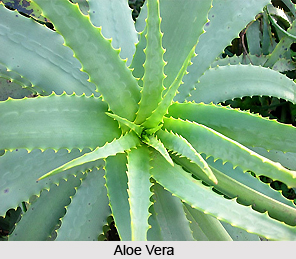
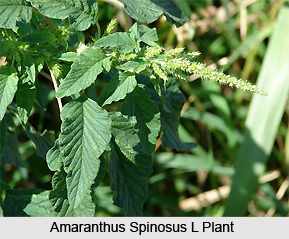
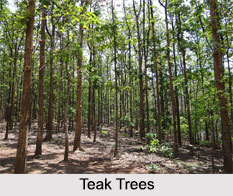
Flora of Ranthambore Tiger Reserve comprises of grasslands and dense forests. Semi evergreen vegetation can be found in a few valleys and along the streams within the park. Tropical dry deciduous forest is the major forest of the reserve. The reserve is known to have trees like the `Flame of Forest` (which is capable of tolerating long periods of droughts) and the banyan tree.
Fauna of Ranthambore Tiger Reserve
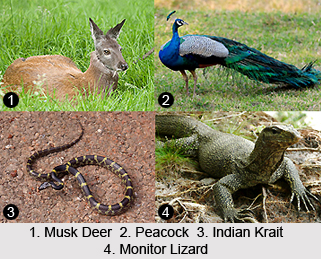
 Ranthambore Tiger Reserve is a home to various faunal species. Animals like tigers, leopard, sloth bear, nilgai or blue bull, chinkara or Indian gazelle, sambar, spotted deer, langur and monkeys are inmates of the reserve. Other mammals that are commonly seen in the reserve are jungle cat, striped hyena, jackal, ratel, chowsingha (four-horned antelope), wild boar, pangolin and mongoose. Protection of tigers is a major priority of the reserve, so conservation efforts like the Global Tiger Patrol (GTP) are being initiated for the protection of tigers from hunters. Marsh or mugger crocodile is a reptile, which has also been observed in the park.
Avifauna of Ranthambore Tiger Reserve
Some of the species of birds receiving shelter in the reserve are treepies, babblers, woodpeckers, parakeets, lapwings, partridges, peafowls, painted stork, Asian openhill, darter, black-headed ibis, stork, pheasant-tailed jacana, white-browed wagtail and great thick-knee. Some species belonging to the group of hunting birds can also be found in the tiger reserve. These are mainly crested serpent eagle, bonelli`s eagle, booted eagle, lesser spotted eagle, pallas`s fish eagle, Eurasian eagle owl, brown fish owl and collared scops owl.
Ranthambore Tiger Reserve as a Tourist Destination
Ranthambore Tiger Reserve is a tourist destination. About 100,000 wildlife enthusiasts visit the reserve every year. Tourists are known to visit the reserve mainly to watch tigers. Within the reserve several places like Bakaula, Lakarda, Nal Ghati, Senili, Anantpura and Kachidaare attract tourists. Lakes within the reserve namely, Padam Talao, Raj Bagh and Milak Talao also attract the attention of tourists. At the edge of Padam Talao, there is a red sandstone namely, Jogi Mahal. Tiger safaris are also conducted in the reserve.
Visiting Information
Ranthambore National Park is open to tourists from the months of October to June. The nearest airport to Ranthambore National Park is in Jaipur. The nearest railhead to Ranthambore is known to be Sawai Madhopur. One can reach Sawai Madhopur from Delhi, Jaipur and Agra by road.