 Classical dances of India are one of the most comprehensive and oldest dance forms in the world. India offers a number of classical dance forms, each of which can be traced to different parts of the country. Each of these dance form represents the culture of a particular region or group of people. India is a land of multiple languages, culture and traditions. These classical dances of India have definite rules that have been followed traditionally over the years. Dance is a physical as well as virtual form of art. Natya Shastra, which is regarded as the fifth Veda, is considered to be the source of all classical dance forms in India. It is believed to have been written between 2nd century BC and 2nd century A.D.
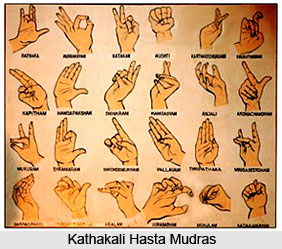
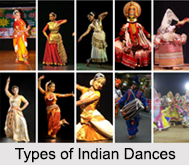
The classical dances of India mainly focus on the Navarasas or emotions - Hasya Rasa, Raudra Rasa, Bibhatsa Rasa, Bhayanaka Rasa, Vira Rasa, Sringara Rasa, Karuna Rasa, Adbhuta Rasa and Shanta Rasa. Almost all the classical dance forms follow the same hand gestures. There are various names by which the dance forms are known. There are 8 classical dances of India that has got recognition from the Sangeet Natak Academy of India. And these classical dances of India are: Bharatnatyam, Kathak, Kathakali, Kuchipudi, Manipuri, Mohiniattam, Odissi and Sattriya. There are shlokas in Natya Shastra that describe how to perform all the movements in Indian classical dances.
Types of Classical Dances of India
Traditionally performed as an expressive dance-drama form of religious performance art, the classical dances of India relates to Vaishnavism, Shaivism, Shaktism along with pan-Hindu epics. It also relates to Vedic literature, or a folksy entertainment that includes story-telling from Sanskrit or regional language plays. The Natya Shastra, which is the foundational treatise for classical dances of India mentions 4 genres of ancient dance-drama in vogue when it was composed – Avanti, Dakshinatya, Panchali and Odra-Magadhi. Discussed elaborately below are the 8 classical dances of India.
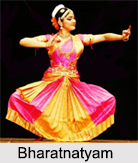
 Bharatnatyam: Considered to be a "fire dance", the classical dance form of Bharatnatyam includes the element of air, water, earth and sky. The movements of a Bharatnatyam dancer reflect the mysterious display of the abstract element of fire. It is a solo, feminine type of a dance, which is tender and erotic. The basic theme is love, where the female dancers usually perform as a devotion to the Supreme Being; or love of a mother for child. It epitomizes the adoration of lovers separated and reunited. Bharatnatyam is one of the popular classical dances of India that originated in the southern state of Tamil Nadu. It is unique to the Dravidian culture of South India. In the ancient days, devdasis or temple dancers who were dedicated in service to the presiding deities used to perform Bharatanatyam in temples. It was E. Krishna Iyer was the one who raised the status of Bhartanatyam and popularized it. Rukmini Devi Arundale was influential in bringing it to the attention of the West. There are several religious mythologies associated with the origin of this dance form. It got its name from sage Bharata who was entrusted with the work of writing Natya Shastra following the instructions of Lord Brahma.
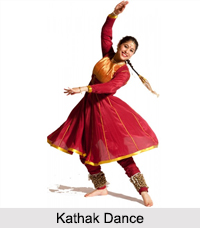
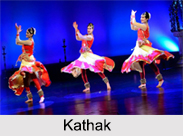
Kathak: A dance of northern India, Kathak is often a dance of love. From 16th century onwards it absorbed certain features of Persian dance and Central Asian dance which were imported by the Mughal era. There are 3 major gharanas of Kathak from which performers today draw their lineage: the gharanas of Jaipur, Lucknow and Varanasi along with the less prominent Raigarh gharana. It is performed by both men and women. The movements include intricate footwork accented by bells worn around the ankles and stylized gestures adapted from normal body language. It was originated by Kathakas, professional storytellers who used a mixture of dance, song and drama. Like other Indian dances it began as a temple dance, but soon moved into the courts of ruling houses.
 Kathakali: Originated from south-western India, from the state of Kerala, Kathakali is one of those classical dances of India which is religious in nature. The name of this dance form has its origin in Malayalam, where the word Katha means story and Kali means play. This dance form draws inspiration from the Ramayana and stories from Shaiva traditions. Kathakali is traditionally performed by boys and men, even for female roles. It is believed to be a blend of 5 elements of fine art. It involves a painting on the face of the actors with different colours which have different implication and are used to portray evil or good with colour variations. Green is used for noble characters, red for evil, black also for uncivilized ones. Women and saints are portrayed with lustrous yellowish faces. The expressions are derived from Natya Shastra similar to other classical forms.
Kuchipudi: Performed to both Carnatic and Hindustani music, Kuchipudi is a form of dance-drama which adapts Natya, Nritta and Nritya. It originated in Andhra Pradesh and presents scenes from mythological tales and Hindu epics. It combines various aspects of music, dance and acting. The dance form of Kuchipudi is another oldest form of classical dances of India. Pure dance, mime and histrionics are the features of Kuchipudi dance dramas. It has been accompanied with instruments like mridanga, mandala and a pair of cymbals. There is a sutradhara, who announces the theme of the play and introduces the characters thereafter. The play progressed at a slow pace and rhythm. In the beginning it has some complicated footwork.
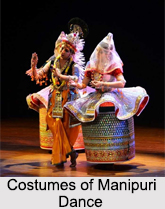
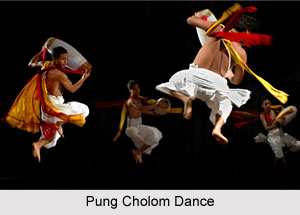
 Manipuri: Used to be a temple dance form and has a close association with the religious and social framework of Manipur. It is religious in nature and depicts Hindu deities Radha and Lord Krishna. Manipuri is a very elegant dance form accompanied with graceful movements. It is smooth and soft in its presentation. Musical instruments like Pena, bansuri and small cymbals are used. The costumes are very colourful, attractive and very richly decked. The dress worn by the female dancers are called patloi, and the lehenga is called Kumin with mirror work woven into gorgeous designs and layered with a transparent silk.
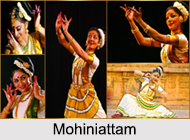
Mohiniattam: Another classical dance of India that evolved in the state of Kerala. The name comes from a mythical character Mohini, an enchantress, who is an incarnation of Lord Vishnu. The dance form was given the contemporary form in the 18th century. It is a feminine form of dance performed with surging flow of body movements.
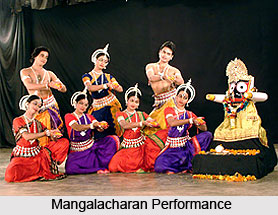
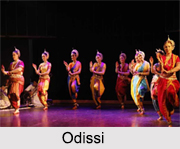
Odissi: The dance form of Odissi is indigenous to the eastern state of Odisha and is predominantly a dance performed by women. Nritya and Abhinaya are the 2 most interesting highlights of Odissi. In Nritya, the dancers make delicate body movements to create ornamental moves. In Abhinaya, the dancers make myriad facial expressions to interpret a religious story or mythical legend. Odissi is performed in multiple different styles including tribhangi. The major theme in this dance form is the love between Radha and Lord Krishna. The different elements of Odissi dance style are Mangalacharna, Batu Nritya, Pallavi Nritya and Abhinaya.
Sattriya: Like many other classical dances of India, Sattriya is also a tale of recitation using performance art. It originated in the state of Assam and has a history dating back to almost 500 years old theatre tradition nourished in the Vaishnava Monasteries of Assam. It was popular among the holy monks. The dance form has been extracted from a massive organisation of theatrical activities which constitutes the Ankiya Bhaona form. The Sattriya dance form can be placed under 2 categories; Paurashik Bhangi, which is the masculine style and Stri Bhangi, which is the feminine style.