Indian medicinal plants are being used to cure diseases, since several millennia. These plants are grown throughout the Indian subcontinent. They are significant parts of Ayurveda. Ayurveda is one of the most popular codified medical traditions in India. This treatment method traces its origins to the Vedic ages. Numerous Indian medicinal plants are mentioned in the Vedic texts. Besides Ayurveda, Siddha and Unani medicinal practices use several medicinal plants to prepare medicines. Whilst most of the medicinal plants are native to India, some have their origin in foreign countries. The probable trade taking place during the existence of ancient civilizations and the arrival of the Europeans, paved the way for medicinal plants in India.
Different Indian Medicinal Plants
Some of the most popular Indian medicinal plants are tulsi, ginger, turmeric, sunflower, Indian cherry and prickly pear. Each of these species has a botanical name, but they are more popular in India by regional names. For instance, turmeric is known as Halud in Bengali, Halaad in Gujarati, Haldi in Hindi, Arishina in Kannada, Halad in Konkani, Niannal in Malayalam, Halde in Marathi, Haldar in Punjabi and so on. Almost all parts of Indian medicinal plants, including leaves, flowers, fruits, roots, barks, etc are used to prepare medicines. Some important Indian medicinal plants are:
Tulsi: Among all herbs, Tulsi occupies the most respected and important position. Tulsi plant can be used for prevention as well as cure of illnesses. A Tulsi plant at the doorstep is said to keep the atmosphere of the house pure and clean, and keep illness away. Tulsi is known to treat cough, cold, bronchitis and loss of appetite.
Ginger: It is used for abdominal bloating, coughing, vomiting, diarrhoea and rheumatism. Ginger is commonly used in the Ayurvedic systems of medicine for the treatment of inflammatory joint diseases, such as arthritis and rheumatism. Ginger is beneficial in treating nausea, especially morning sickness.
Turmeric: Turmeric is a popular spice that has been used as a remedy for thousands of years in Ayurvedic medicine. It is popular for its medicinal values, utilised as part of home remedy. It is proven to improve immune function with antioxidant, anti-inflammatory, antiviral and antibacterial properties. The main active ingredient of Turmeric is curcumin, which may offer protection against certain cancers, treat arthritis, benefit those with inflammatory bowel disease, reduce blood sugar and help prevent Alzheimer"s disease.
Sunflower seeds: Sunflower seeds enhance digestion and brain power. They have low level of cholesterol and sodium and can therefore protect the cardiovascular system. They are rich in healthy fats, beneficial plant compounds and several vitamins and minerals. These nutrients may play a role in reducing risk of common health problems, including heart disease and type 2 diabetes.
Prickly Pears: As with several other Indian medicinal plants, Prickly Pear also bears vital medicinal properties and uses. The fruit of the plant is considered a cooling agent and finds usefulness in the treatment of gonorrhoea. The baked fruit is purportedly used in the treatment of whooping cough, with the syrup of the fruit believed to increase secretion of bile and controlling of spasmodic cough and expectoration. The mashed joints of Prickly Pear are used as a poultice to relieve inflammation and the heated joint is applied to boils to accelerate suppuration.
 Pudina: This aromatic Ayurvedic herb is a natural coolant, with a sweet and a pungent aftertaste. Mint has the quality to pacify all the three doshas and chiefly manages the Pitta dosha. Pudina leaves owing to its carminative properties helps in digestion and assimilation of food and treats colic pain. The extract of pudina leaves is used to treat intestinal worms.
Henna: Henna is exceedingly beneficial for a number of disorders, like hairfall, dysentery, liver, headaches, stinging feet, skin infection and female diseases. The leaves have curative properties, like checking secretion or blood loss and forestalling skin disorders. The bark and seeds of the plant are used in Ayurvedic and Unani medicine.
Guggulu: Guggulu is said to be demulcent, aperient, alterative and a purifier of the blood. It is used in rheumatism, nervous diseases, scrofulous affections, urinary disorders and skin diseases.
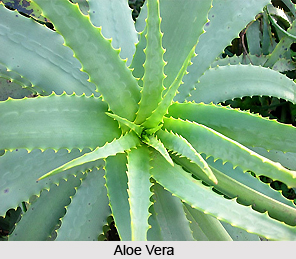
Aloe Vera: Indian aloe comes to requisite use in everyday sicknesses like, liver enlargement, cold, arthritis, indigestion, skin irritations, or sciatica. The leaves of the plant possess numerous curative properties. They are useful in reinstating the perturbed processes of nutrition. They boost libido and control secretion or blood loss. They also encourage and regularize menstrual cycle.
Eucalyptus: The oil that comes from the eucalyptus tree is used as an antiseptic, a perfume, as an ingredient in cosmetics, as a flavoring, in dental preparations, and in industrial solvents. Leaves are steam distilled to extract the oil, which is a colorless liquid with a strong, sweet, woody scent. It contains 1,8-cineole, also known as eucalyptol. The leaves also contain flavonoids and tannins. Flavonoids are plant-based antioxidants, and tannins may help to reduce inflammation.
Neem: Neem tree has several uses, chiefly acting as an active disinfectant and cleanser, removing all impurities in cases of infectious disorders. Neem tree is generally considered an air purifier and a defensive against malarial fever and cholera. The leaves are useful in assuaging gas, boosting the deletion of catarrhal matter and phlegm from the bronchial tubes and in increasing secretion and disposal of urine. They also function as an insecticide. The bark is a sour stimulant and vitalizes the body. It checks secretions and blood loss, in addition to counterbalancing any convulsive disorders. The root bark of this tree has the same attributes as the bark of the trunk. The gum released by the stem is a stimulant and revitalizes with a cooling effect on the skin and mucous membranes.
Other important medicinal plants of India are Babool, Brahmi, Dhaniya, Kalmegh, Nagarmotha, Punarnava, Shalarni, Ashwagandha, Shirish, Mulethi, pipal etc.
 Distribution of Indian Medicinal Plants
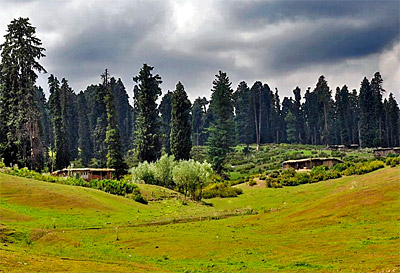
There are regions of high floristic diversity in India. These regions are extensive and relatively undisturbed forest ecosystems of the Himalayas, the Khasi and Mizo Hills of north eastern India, the Vindhya and Satpura mountain ranges of northern peninsular India and the Western Ghats. The forests contain an estimated 90 percent of the country"s higher (flowering) plant species and are therefore of special importance to traditional medicines. A significant portion of Indian medicinal plant species occur in forests, rangelands and in the mosaic of habitats found within agricultural landscapes.
Ayurvedic herbs are time tested for their health and other benefits. The nutritive value that they pack is highly recommended for their healing powers. Known to induce no side effects, they have a unique aroma and flavor and when consumed regularly, they act as a perfect mechanism to bring about a balanced harmony between mind and body. They rejuvenate the whole system instead of focusing on one specific organ or body part.