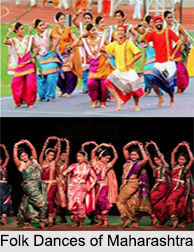
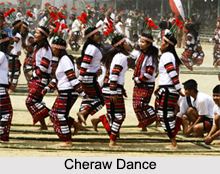
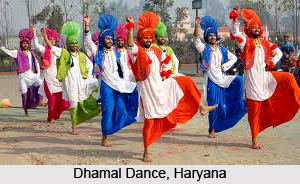
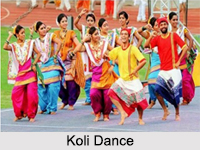
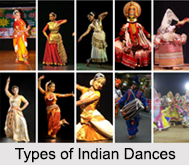
 Indian Regional Dances include simple and joyous range not only to mark the celebrations of the seasons of the harvest but even of worship, thanks giving to the deity marked by the popular customs and belief of the state. The nine Rasas or emotions predominates which forms the structure Hasya (happiness), Shoka (sorrow), Krodha (anger), Karuna (compassion), Bhibatsa (disgust), Adhbhuta (wonder), Bhaya (fear), Viram (courage) and Shanta (serenity). The diversity of religious customs, tradition, periods, environment and linguistics has given rise to an assortment of regional dance forms. The dances have extensive dynamism and vitality and can be identified with the particular region it originates. The unparalleled richness of the dance traditions has given rise to distinctive style in each region. Each region offers tribal, folk, village and classical dances forms.
Regional dances of North India
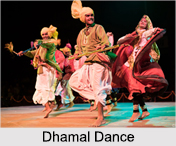
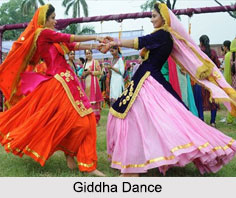
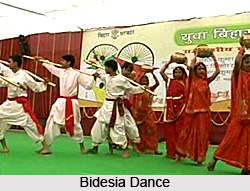
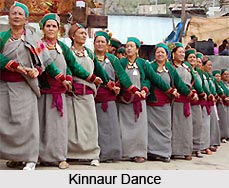
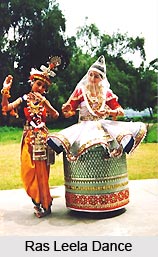
The northern part of the country represents an amalgamation of various cultures and this is reflected in regional dance form in each of the north Indian states. The Rouf dance and the Dumhal of Jammu & Kashmir attract attention as popular regional dances of the region. Other dances include Bachha Nagma Dance; Dandaras Dance. These dances of the state have a non detachable part with the culture and tradition of the region. In Himachal Pradesh the well-liked regional dances include Kinnaur Dance, Chamba Dance, Gee Dance, Burah Dance and Hikat. Punjab is famous for Bhangra and Uttarakhand has dances like the Langvir Nritya, Dhurang, Pandav Nritya, Chholiya, Hurka Baul and Jharva. Haryana presents a rich and colourful range of regional dances including, Ras leela, Phag dance, Gugga dance, Dhamal, Teej dance, Chaupaiya as well as Khoria Dance. Uttar Pradesh regional dances are classified in to two categories Classical and Folk. Among the Indian Regional Dances, Uttar Pradesh offers Charukala dance. Chhau dance is also a regional dance of Bihar.
 Regional dances of North East India
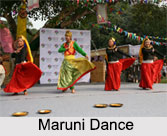
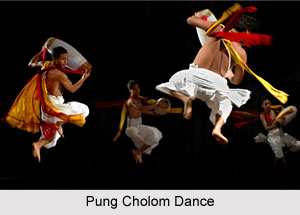
North east region of India is also the possessor of affluent and multihued regional dancing variety. In addition to that the tribal dancing in India has myriad style in all over the country. At large, classifying regional dances of India on the basis of regional context is widely accepted. An assortment of Indian Regional Dances can be seen in the eight north-Eastern states Assam, Manipur, Nagaland, Mizoram, Arunachal Pradesh, Meghalaya, Sikkim, and Tripura. All these states have their own culture and traditions and the dancing styles have developed depending on the ethnicity.
The extreme north eastern state of India, Arunachal Pradesh consists of broadly three cultural groups who are divided on the basis of their socio-religious affinities. Their dancing performances are related to rituals, during festivals and also for recreation. The dance forms include highly stylised religious dance dramas of the Buddhists and the martial steps. Their dances are mainly group dances where both men and women take part. Igu dance of the Mishmi priests, war dances of the Adis, Noctes and Wanchos, ritualistic dance of the Buddhist tribes are a few of the examples of regional dances of Arunachal Pradesh. Other dance forms such as Wancho dances, Khampti dances, Digaru Mishmi Buiya Dance and the Ponung Dance performed by the tribes are also popular.
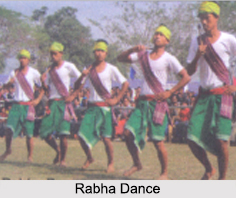
 The Assamese culture offers vibrant multiplicity. The state has diverse numbers of tribes each special from one another. Bodo, Kachari, Karbi, Miri, Mishimi, Rabha are the tribes those co-exist in Assam. The regional dance forms of Assam thus replicate its different culture and custom.
Regional dances of South India
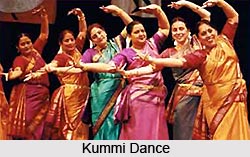
Southern part of India presents enchanting dances and contributes to the opulent variety of Indian Regional Dances. Regional dances include Padayani, Kummi of Tamil Nadu, Thapetta Gullu of Andhra Pradesh and Kolaattam as well as Perini. Central India. Rajasthan situated in the western part of the country has regional dances such as Bhavi, Chari, Drum Dance, Fire Dance, Ghoomer, Kacchi Ghodi, Sapera Dance and Terah Talli. Gujarat has a distinction of having legendary origin of their regional dances. Garba, Rasaka, Tippani, Padhar Nritya and Dangi- Nritya are the regional dances of the Gujarat.
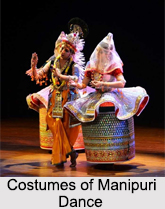
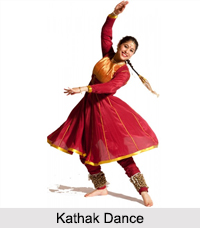
Indian Regional Dances are a mixture of expressive movements and steps. The dances burst with verve and vitality. On most of the dancing occasions, the dancers sing themselves, while sometimes they are accompanied by artists on the instruments. Each form of dance has a specific costume. Most costumes are aureate with extensive jewels. Dances become unique with the special costumes and accessories as well as music. Costumes help an audience to interpret the meaning or message of the dance. Furthermore, besides the expressive movements and steps, dances become spectacular with the aesthetic appeal. Most of the Indian regional dances have a particular theme and this is much presented with the expressions of through body movement as well as facial gesture.
 Regional Dances of East India
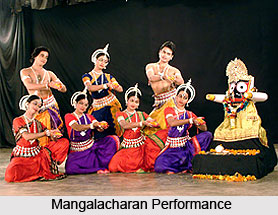
Eastern region of incredible India is charged with the classical dance forms like Odissi the voluptuous style and beautified expressions merging with the intricacies of style and grandeur. Having their origin in the temple presentations by the Devdasis, the dance form has spread its roots with the ages and influences. Even Chhau of Bengal mirrors the eastern style which is a grand show of masks, chivalry and poise and vigorous movements having its etymological roots in the word chaya meaning shadow.
Regional Dances of West India
The Western region on the other hand is vibrant with the dances like Garba, Dandiya etc. While Garba is associated with the fertility cult, much popularised by Lord Krishna, who popularized the Ras leela dance Dandia is the form where men and women actively match sticks in rhythm to bring out the flavour of the same.
Folk Dance of India
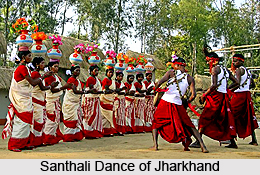
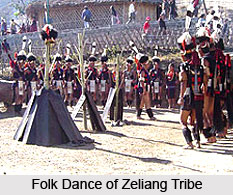
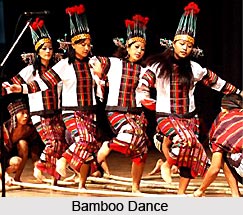
Each region of India has its own folk dance. The bamboo dances of Lushais, Khupielilie dance of Nagaland, Santal dance of the Santhals. South India presents tribal dances such as the dummy horse dance or the Poikalkuthirai, In Tamil Nadu; dancers place a karagam or a decorated jug, on their head and dance while balancing the karagam. Both men and women take part in these dances and the rhythm, grace and skill of the dancers make it magnificent. Though, the numerous folk and tribal dances are constantly improved, yet the mastery of the dancers make it popular world wide. Madhya Pradesh in central India on the other hand has Jawara as its regional dance.