
Bania Community is the community of occupational bankers, moneylenders and dealers of grain, butter, groceries and spices. It is a conglomeration of people from different castes who were bunched in a single group because of their profession dealing in grain. Bania community is mainly residing in the Western Province of India, and here they are called as Vania or Vani.
Bania Community
Bania Community belongs to the region of Gujarat and are divided into a large number of endogamous sub castes. They are professional moneylenders, dealers of grain and bankers.
Introduction
Etymology of Bania Community
The name of Bania community has been derived from Sanskrit term "Vanij", meaning a merchant. Bania caste is also known as "Chettiar" in Tamil language, "Sud" in Punjabi language and "Komati" in Telugu language. The term "Mahajan" is used to signify a banker or moneylender; "Seth" indicates a great merchant or capitalist, and these two terms are applied to Banias as a prefix.
The term "Vanik" is often used to refer to members of trading communities. In Bengal, the word "Bania" serves as a broad, functional label encompassing a range of occupations such as moneylending, indigenous banking, and the selling of groceries and spices, without strict regard to caste distinctions. In Maharashtra, a similar term, "Vani," commonly refers to traders or moneylenders, many of whom belong to the Kunbi caste. During the colonial period, Europeans broadly used the term "Banyan" to describe local traders, regardless of their specific community or profession.
Society and Religion of Bania Community
Bania community have a distinctive social status. They have several endogamous groups and minor sub-castes that are formed by migration, differ greatly in different provinces. The Banias have forty sub-castes almost all being further divided into the Visa (twenty), Dasa (ten) and Pancha (five). Amongst these the first is said to be the highest in the Vania social order. Though the members of the Visa and Dasa eat together, they do not intermarry and neither has the type of association with the Pancha. Most of these sub-castes comprise an intricate system of exogamy.
The Bania community claims to be Vaishya because they still have Mahajans and trade guilds, which are referred to in Sanskrit literature. There are 38 endogamous divisions of the caste and 5 have Jain sections known as "Shravaks", the others being the "Meshris".
Diverse sub-groups of Bania community includes Agarwal, Khandelwal, Maheshwari, Oswal, Porwad, and Shrimali Baniyas, among others. Historically, the Gujarati Baniya population was classified into 84 subdivisions, similar to the Gujarati Brahmins though many of these divisions were more symbolic than practical and date back to at least the 15th century.
In Rajasthan, Baniyas with elevated social standing often adopted the title Mahajan to reflect their prestige. Beyond Rajasthan, many from these trading groups were referred to as Marwaris, a term that, while widely associated with merchant communities, technically applied to individuals from various castes within the Marwar region. The Gujarati and Rajasthani Baniyas, due to their long-standing role in commerce, came to represent the archetypal Indian merchant, and their influence was so significant that other non-Baniya trading communities were sometimes collectively labeled as Baniyas.
Profession of Bania Community
The Bania community has a well defined traditional occupation, which is followed by most members of every sub-caste. They are engaged largely in the traditional Bania"s profession and deal in grain and money. Around 60 per cent of the Banias are engaged in this trade.
Culture of Bania Community
Culture of Bania community is rich and very colourful. Banias are staunch adherents of the Vallabhacharya sect. It is believed they were converted to this faith some 450 years ago. In almost every Bania home, there is a puja room or a corner where the images and idols of worship are placed. They are very religious people.
Culturally, Baniyas are traditionally vegetarian, though dietary restrictions vary among different sects. Known for their industrious nature, the community has also been deeply rooted in religious practices. Their spiritual life often reflects the values of both Jainism and Vaishnavite Hinduism, with overlapping rituals, ceremonies, and daily prayers. Followers of Pushtimarg Vaishnavism, for instance, engage in emotional devotion (seva) to Lord Krishna, while Jain Baniyas lead ascetic lives in accordance with Jain principles. Worship of the goddess Lakshmi holds special significance, with Lakshmi Puja performed to invoke prosperity and wellbeing for the household.
Costumes of Bania Community
They dress in colourful clothes which vary in different regions, the main variations being in north Gujarat, Kathiawar and Surat. When going out men usually wear a dhoti, a jacket called "Badan" or a cotton coat called "Angrakha" and a shoulder cloth called "Pichodi". In Kutch District and Kathiawar, some wear a large Rajputana type turban. Those in north and central Gujarat wear the tightly folded cylindrical turban with numerous folds in front and several coils at the back. The men and women of Bania community are very fond of jewellery. Men from affluent families wear a silver girdle and a gold armlet above the elbow and the richer they get, the more they add to their personal adornment. The women wear gold jewellery often set with pearls. They also wear earrings, nose-rings, necklaces, armlet above the left elbow, bangles of glass and ivory, silver anklets and silver toe-rings.
Society And Religion of the Bania Community
The Gujarat social restrictions are not confined to castes and sub-castes alone but affect groups of towns or villages, known as Ekadas or Gols. Marriage only within the group was permissible but as the rule was not rigidly applied and exogamous marriages were permitted with the permission of the Gol Panchayat, only a fine or a fee had to be paid for any violation.
The purpose of forming these Gols or Ekadas was motivated by practical considerations rather than narrow-minded bigotry. It was a form of protest against the hypergamy of urbanised families.
Despite the compartmentalisation of the Bania caste, the customs and ceremonies are much the same with the group as a whole. The widest difference is between the Meshris, who are Hindus and the Shravaks, who follow Jainism. In the course of time, many customs and ceremonies, observed and practised a few decades ago, have fallen by the way. Polygamy was permissible, provided the man obtained the consent of the first wife but there are hardly any cases of polygamy now. Some Bania widowers marry and marriage with the deceased wife`s sister is permissible but marriage with near blood relatives, common in some other communities, is prohibited. Divorce is also looked down upon, though, in recent years, this has become acceptable.
In the past child marriages were in vogue, the girl being between 7 and 11 years of age. Now among Kapol Vanias, the age has been advanced to 16, the Ummads and Dawals extended it to 22. Only the Kutch Dawals, known as Letas, and some of the Panchas permitted widow marriage, which is generally frowned upon by all other Banias even now. To some extent, the Bania wedding ceremony is the same as any other Hindu marriage.
The decision of the wedding date, which has to be some time between the 11th of Kartika Sud (October-November) and the 11th of Asarba Sud (June-July), is left to the parents.
Three or five days before the wedding day, the mandav ceremony is performed in both houses. It begins with the worshipping Ganapati followed by the installation of the family deity and the ceremonial erection of the mandav or marriage booth. Into this the members of the family and friends throw red powder, milk, curds, betel nuts and a copper coin, accompanied with the chanting of mantras.
The women of both houses go in procession (singing wedding songs accompanied with musicians) and sprinkle sandalwood dust and flowers on a potter`s wheel and bring home earthen pots to be used in the wedding ceremonies.
The most important persons are the mothers` brothers (on both sides) who carry gifts for the bride and bridegroom on the day before the marriage and superintend many of the marriage ceremonies. At the bride`s place the bride`s mother meets the groom at the entrance and certain rituals take place.
Balls of cowdung ash are then thrown in the four directions and simultaneously the family Brahmin or the mother-in-law holds two earthen pots of curds, circling them 7 times around the bridegroom and then place them in front of him. He then crushes the pots with his right foot and enters the marriage hall. The bride`s parents wash the bridegroom`s feet with milk, curds, honey, sugar and ghee. After this the ceremony follows the usual Hindu rituals. After the marriage has been solemnised the couple is taken before the family deity and has to play the game of `odds and evens` in which they try and guess whether the number of coins that each holds in turn in a closed fist is odd or even. This game has several other variations.
In another ceremony, the bride`s mother worships the carriage of the couple by sprinkling sandalwood dust and flowers on it and places a coconut under one wheel which is meant to be crushed when the carriage moves over it. The pieces are gathered by the mother and handed over to the daughters.
There are other rituals among the various sects of the Banias. Among the Oswals, the maternal uncle of the bride has to carry her four times round the bridegroom before placing her on his left
When a woman is pregnant for the first time, various ceremonies are performed at the husband`s home during the 5th and 7th months. On the fourth day, she goes to her parents` home and has a bath. On her return, her sister-in-law comes out with some red powder and a large piece of white cloth on which she has to tread and at each step taken, his parents drop a piece of copper and some betel nuts on it. The mother-in-law then performs a brief puja and the mother-to-be is then allowed to cross the threshold, taking care not to touch it. Her husband now holds her hand and together they go to bow before the family deity. About 20 days after this ceremony, she goes to her parents` home, where she remains till the child is three or four months old.
For ten days after the child`s birth, the husband`s family and friends send ghee, gur and spices to the girl`s house daily. The Chhati Pujan ceremony is performed on the 6th day.
On the twelfth day, when the mother worships the baran balians, twelve small heaps of rice are laid on a stool and next to each head is placed a betel-nut, a betel leaf and a copper coin and after kanku and flowers are scattered on them. They are given to the family priest.
In death, as in life, the Vania is bound by religious rites. On his deathbed he is required to give a Brahmin `gaudan` or the equivalent value of a cow and has to announce a sum to be given in charity.
When the end draws near, he is bathed, dressed and placed on a freshly-washed portion of the floor of a front room, with his head to the north, till life ebbs away. On his death, the body is removed from the house, head first, to a point halfway to the cremation ground. Here it is placed on the ground where some rice, some betel-nuts and a copper coin are placed on it. From here it is carried, feet first, to the cremation ground.
After the collection of the ashes and their immersion in a river, the place of cremation is washed clean and an earthen pot full of water is placed there which the chief mourner breaks by throwing stones at it through his legs from a distance. A cow is brought and milked there so that the milk falls on the cremation spot.
The father-in-law of the chief mourner sends rice, pulse and ghee to the bereaved household which, if the deceased was old, is cooked and eaten; if not, it is given to dogs. A widow`s hair is cut off and the heads of all members of the family are shaved as are the moustaches and beard even if the deceased was young.
On the 11th day the most important death ceremony is performed- mating a steer to a heifer; on the 12th day cooked food is given to crows; and on the 13th a Brahmin is given a bedstead, bedding and some money.
Vanias are, generally speaking, staunch adherents of the Vallabhacharya sect. It is believed they were converted to this faith some 450 years ago. Except for the Agarwal and Ram Nagar Vanias, none of the others wear the sacred thread.
At one time they used to visit the Vallabhacharya temples daily but gradually with the spread of education among them and the weakening of religious control, worship at home was accepted as being proper.
In almost every Bania home there is a puja room or a corner where the images and idols of worship are placed.
Vanias from North Gujarat and Kathiawar are sturdy and active while those from South Gujarat are often slight and poor in physique. Some North Gujarat and Kathiawar Vanias have a moustache and those from South Gujarat have shaven their heads at the crown and in a line down to the back of the head.
The purpose of forming these Gols or Ekadas was motivated by practical considerations rather than narrow-minded bigotry. It was a form of protest against the hypergamy of urbanised families.
Despite the compartmentalisation of the Bania caste, the customs and ceremonies are much the same with the group as a whole. The widest difference is between the Meshris, who are Hindus and the Shravaks, who follow Jainism. In the course of time, many customs and ceremonies, observed and practised a few decades ago, have fallen by the way. Polygamy was permissible, provided the man obtained the consent of the first wife but there are hardly any cases of polygamy now. Some Bania widowers marry and marriage with the deceased wife`s sister is permissible but marriage with near blood relatives, common in some other communities, is prohibited. Divorce is also looked down upon, though, in recent years, this has become acceptable.
In the past child marriages were in vogue, the girl being between 7 and 11 years of age. Now among Kapol Vanias, the age has been advanced to 16, the Ummads and Dawals extended it to 22. Only the Kutch Dawals, known as Letas, and some of the Panchas permitted widow marriage, which is generally frowned upon by all other Banias even now. To some extent, the Bania wedding ceremony is the same as any other Hindu marriage.
The decision of the wedding date, which has to be some time between the 11th of Kartika Sud (October-November) and the 11th of Asarba Sud (June-July), is left to the parents.
Three or five days before the wedding day, the mandav ceremony is performed in both houses. It begins with the worshipping Ganapati followed by the installation of the family deity and the ceremonial erection of the mandav or marriage booth. Into this the members of the family and friends throw red powder, milk, curds, betel nuts and a copper coin, accompanied with the chanting of mantras.
The women of both houses go in procession (singing wedding songs accompanied with musicians) and sprinkle sandalwood dust and flowers on a potter`s wheel and bring home earthen pots to be used in the wedding ceremonies.
The most important persons are the mothers` brothers (on both sides) who carry gifts for the bride and bridegroom on the day before the marriage and superintend many of the marriage ceremonies. At the bride`s place the bride`s mother meets the groom at the entrance and certain rituals take place.
Balls of cowdung ash are then thrown in the four directions and simultaneously the family Brahmin or the mother-in-law holds two earthen pots of curds, circling them 7 times around the bridegroom and then place them in front of him. He then crushes the pots with his right foot and enters the marriage hall. The bride`s parents wash the bridegroom`s feet with milk, curds, honey, sugar and ghee. After this the ceremony follows the usual Hindu rituals. After the marriage has been solemnised the couple is taken before the family deity and has to play the game of `odds and evens` in which they try and guess whether the number of coins that each holds in turn in a closed fist is odd or even. This game has several other variations.
In another ceremony, the bride`s mother worships the carriage of the couple by sprinkling sandalwood dust and flowers on it and places a coconut under one wheel which is meant to be crushed when the carriage moves over it. The pieces are gathered by the mother and handed over to the daughters.
There are other rituals among the various sects of the Banias. Among the Oswals, the maternal uncle of the bride has to carry her four times round the bridegroom before placing her on his left
When a woman is pregnant for the first time, various ceremonies are performed at the husband`s home during the 5th and 7th months. On the fourth day, she goes to her parents` home and has a bath. On her return, her sister-in-law comes out with some red powder and a large piece of white cloth on which she has to tread and at each step taken, his parents drop a piece of copper and some betel nuts on it. The mother-in-law then performs a brief puja and the mother-to-be is then allowed to cross the threshold, taking care not to touch it. Her husband now holds her hand and together they go to bow before the family deity. About 20 days after this ceremony, she goes to her parents` home, where she remains till the child is three or four months old.
For ten days after the child`s birth, the husband`s family and friends send ghee, gur and spices to the girl`s house daily. The Chhati Pujan ceremony is performed on the 6th day.
On the twelfth day, when the mother worships the baran balians, twelve small heaps of rice are laid on a stool and next to each head is placed a betel-nut, a betel leaf and a copper coin and after kanku and flowers are scattered on them. They are given to the family priest.
In death, as in life, the Vania is bound by religious rites. On his deathbed he is required to give a Brahmin `gaudan` or the equivalent value of a cow and has to announce a sum to be given in charity.
When the end draws near, he is bathed, dressed and placed on a freshly-washed portion of the floor of a front room, with his head to the north, till life ebbs away. On his death, the body is removed from the house, head first, to a point halfway to the cremation ground. Here it is placed on the ground where some rice, some betel-nuts and a copper coin are placed on it. From here it is carried, feet first, to the cremation ground.
After the collection of the ashes and their immersion in a river, the place of cremation is washed clean and an earthen pot full of water is placed there which the chief mourner breaks by throwing stones at it through his legs from a distance. A cow is brought and milked there so that the milk falls on the cremation spot.
The father-in-law of the chief mourner sends rice, pulse and ghee to the bereaved household which, if the deceased was old, is cooked and eaten; if not, it is given to dogs. A widow`s hair is cut off and the heads of all members of the family are shaved as are the moustaches and beard even if the deceased was young.
On the 11th day the most important death ceremony is performed- mating a steer to a heifer; on the 12th day cooked food is given to crows; and on the 13th a Brahmin is given a bedstead, bedding and some money.
Vanias are, generally speaking, staunch adherents of the Vallabhacharya sect. It is believed they were converted to this faith some 450 years ago. Except for the Agarwal and Ram Nagar Vanias, none of the others wear the sacred thread.
At one time they used to visit the Vallabhacharya temples daily but gradually with the spread of education among them and the weakening of religious control, worship at home was accepted as being proper.
In almost every Bania home there is a puja room or a corner where the images and idols of worship are placed.
Vanias from North Gujarat and Kathiawar are sturdy and active while those from South Gujarat are often slight and poor in physique. Some North Gujarat and Kathiawar Vanias have a moustache and those from South Gujarat have shaven their heads at the crown and in a line down to the back of the head.
Recently updated articles in Religion in India
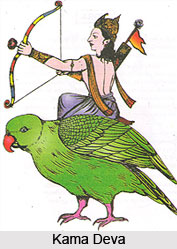
Kusumayudha
Kusumayudha is a name of Kamadeva, the Hindu God of Love. Depicted with a sugarcane bow and flower-tipped arrows, he represents attraction and longing...
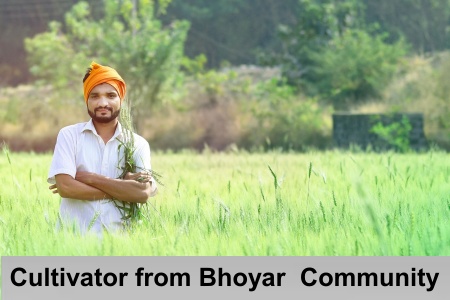
Bhoyar Caste
Bhoyar Caste is largely found in the Central Provinces of the country. Traditional occupation of Bhoyars is agriculture. They are good cultivators and...
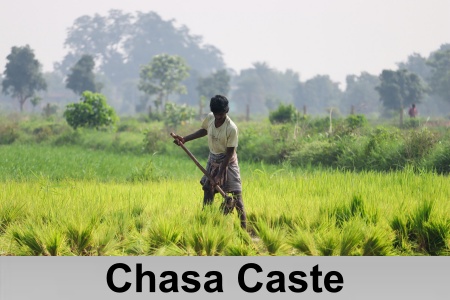
Chasa Caste
Chasa caste is a prominent agrarian community native to Odisha. Traditionally associated with cultivation and farming, Chasas have historically played...
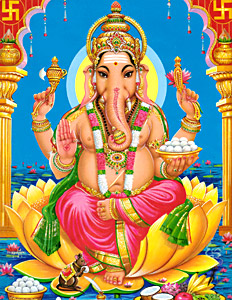
Vigneswara, A Form of Lord Ganesha
Lord Vigneswara is another form of Lord Ganesha or Vinayaka, prominently worshipped as the God of intelligence and good luck in the Indian subcontinen...
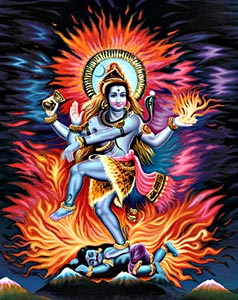
Maheswara
Maheswara, meaning “the Great Lord,” is a revered name of Lord Shiva in Hindu tradition. It represents Shiva’s supreme authority over creation, preser...
Related articles in Religion in India
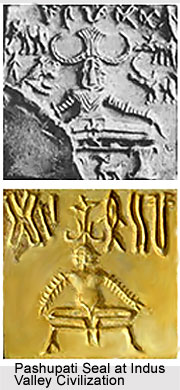
Religion in Indus Valley Civilization
Religion in Indus Valley Civilisation included Hinduism, Buddhism and Jainism. Details about the religion in Indus Valley Civilization have been gathe...
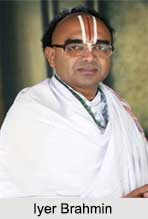
Iyer Brahmin
Iyer Brahmins are originally from Tamil Nadu of South India. They are known for their adherence to Advaita philosophy and Smarta traditions. Tradition...
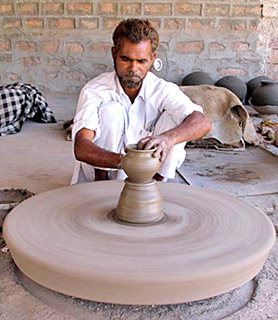
Kumbhakar / Kumhar Caste
Kumbhakar or Kumhar caste is a traditional artisan community in India known for pottery making. Derived from Sanskrit word Kumbhakar, meaning potter,...

Gujjars in Mughal Era
Gujjars in the Mughal era enjoyed great power. Further their power increased with the decline of Aurangzeb, Mughal emperor.
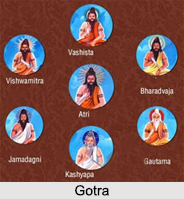
Gotra in Hinduism
In Hinduism, gotra refers to a lineage system tracing descent from ancient sages, primarily through the paternal line. Originating from Vedic traditio...