Sanskrit in Vedas and Upanishads
The four Vedas in Sanskrit literature - Rig Veda, Yajur Veda, Sama Veda and Atharva Veda, each with a principal Samhita and a number of circum-Vedic genres, also includes Brahmanas, Aranyakas and Vedanga. The basic period of Vedic literary activity falls between the 9th to 7th centuries, when the various shakhas had amassed, collected and memorized their particular corpus. The older Upanishads (Brihadaranyaka, Chandogya, Jaiminiya Upanishad Brahmana, Katha, Maitrayaniya) also belong to the Vedic period, but the larger part of the Muktika canon is attributed to post-Vedic times.
Sanskrit Sutra Literature
Sutra literature under Sanskrit literature was the upcoming genre that had indeed witnessed much advancement in ancient Indian literary forms. Late Iron Age scholarship (ca. 500 to 100 B.C.E.) had built up knowledge into the cardinal Sutra treatises. The Sanskrit Sutra treatises had included the Vedanga and the religious or philosophical Brahma Sutras, Yoga Sutras and Nyaya Sutras. In the Vedanga categories of grammar and phonetics, no author perhaps has had impressed greater influence than Panini with his Ashtadhyayi (ca. 5th century B.C.). Panini`s grammar indeed had successfully mended the grammar of Classical Sanskrit literature. Panini`s grammar includes the elements like recursion, metarules, transformation and others.
 Sanskrit Literature in Hindu Epics
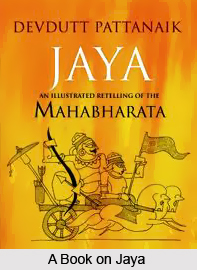
The evolution of Sanskrit literature indeed had happened in a rhythmic and systematic manner with each period significantly following its predecessor. The Epic Age with their priceless Sanskrit epic poetry had appeared approximately between the 6th to 1st centuries B.C. It also witnessed the authoring and editing of the two great epics, the Mahabharata and the Ramayana.
The Mahabharata is considered as one of the largest poetic treatises in the world. While it is indelibly a masterpiece poetic epic in Sanskrit literature, it also comprises enormous tracts of Hindu mythology, philosophy and religious tracts. Ramayana in Sanskrit literature includes tales that form the basis for modern Hindu festivals and even comprises a description of that parallel marriage practice which is still observed in contemporary times by people of Hindu beliefs and thoughts.
Classical Sanskrit Literature
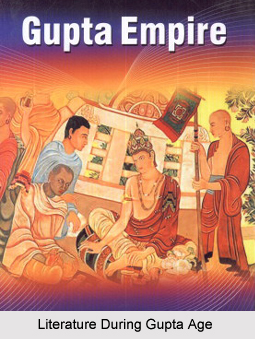
The classical period of Sanskrit literature dates back to the Gupta period and the consecutive pre-Islamic Middle kingdoms of India. Sanskrit drama had catapulted forth during the final pre-Christian centuries, influenced in part by Vedic mythology and partly by Hellenistic drama. Sanskrit drama indeed had touched its peak sky-high limit within the 4th and 7th centuries. Celebrated Sanskrit dramatists include Shudraka, Bhasa, Asvaghosa and of course, Kalidasa.
One of the earliest known Sanskrit literary plays is Mrichakatika, conceived to have been composed by Shudraka during the 2nd century B.C. The Natyashastra is considered a backbone piece in Sanskrit literature, devoted enthusiastically to the subject of stagecraft. Bhasa and Kalidasa are path-breaking early authors belonging to the first centuries A.D. Late (post 6th century) dramatists comprise Dandi and Sri Harsha. The only surviving ancient Sanskrit drama theatre is Koodiyattam, which has religiously been preserved in Kerala by the Chakyar community. A few of the classical poetries during this period are `Kumarasambhava` by the legendary poet Kalidasa, `Kiratarjuniya` by Bharavi, `Raghuvamsha` by Kalidasa and others.
 Later Sanskrit Literature
The period of later Sanskrit literature is acknowledged to have begun post the Classical Sanskrit development and culmination, precisely after the 10th century. Some significant works from the 11th century literary genre comprise the Katha-Sarit-Sagara and the Gita Govinda. The Kathasaritsagara by Somadeva in Sanskrit was an 11th century poetic adaptation of Brihat-katha penned during 5th century B.C. in the Paishachi dialect. The Gita Govinda by the Oriya composer Jayadeva is the account of Lord Krishna`s passion for Radha. The Ashtapadis of the Gita Govinda also establishes itself as a staple theme in Bharatnatyam and Odissi classical dance performances.
Modern Sanskrit Literature
Sanskrit language has evolved and with the passage of time several new literary works have been created in this literature. Vidyadhar Shastri had composed two epic poems named `Mahakavya`, along with seven short poems, three songs known as `stavana kavya` and three plays. Other modern Sanskrit works involve minor works on `Prasthanatrayi` and others. Jagadguru Rambhadracharya and Abhiraj Rajendra Mishra are among the learned scholars in the field of Sanskrit literature in modern times.
The daily employment of Sanskrit for general literature and literary purposes beyond the 11th century, indeed had suffered a sudden decline. This was due to the incredible emergence of literature in vernacular Indian languages. Sanskrit however continued to be utilised for Hindu religious rituals and philosophical literatures. Sanskrit literature conforms to grammatical rules particularly to the work authored by Panini around 500 BC. Sanskrit literature is flexible, polished, expressive and direct. `Yoga Sutras` of Patanjali and Upanishads were all translated into foreign languages like Persian and Arabian due to their rich quality. `Panchatantra` was also translated into Persian.