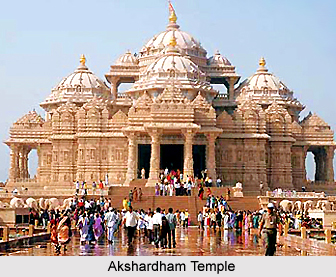
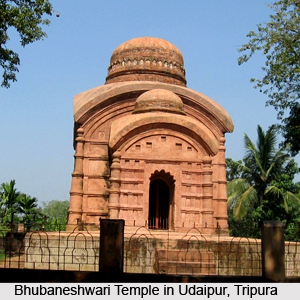
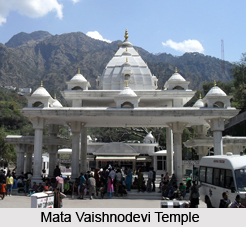
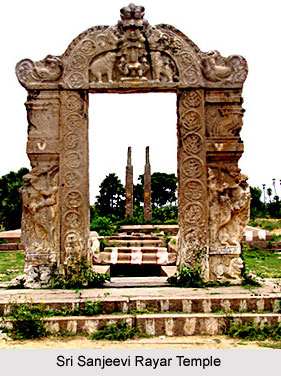
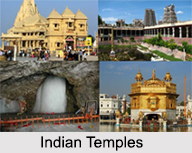
 Indian Temples display the rich cultural and historical tradition of India. From the magnificent Himalayan Mountain Ranges in the North, to Kanyakumari in the South, India is graced with thousands of temples, religious shrines and monuments dating back to hundreds of years. Along with that exist uncountable myths and legends to explain the existence of these temples in every corners of India. The assemblage and adornment in these ancient Indian temples exhibits one of the world`s foremost artistic heritages. Since the 6th century B.C, Indian temples have fortunately been endowed with generous donations from kings, nobles and affluent merchants.
Concept of Indian Temples
It is believed that in every Hindu temple in India, exist the Lord who overlooks his or her domain and assists devotees. Devotees approach the sanctum sanctorum in order to obtain a vision (darshana) of God and perform devotional worship. It is believed that the sanctum is filled with His power and blessings. By entering the sanctum one can obtain the grace of the divine. Indian temple sanctums are controlled by priests who accept offerings from worshippers, present them directly towards the image of the deity and then return most of the gifts to the devotees for use or consumption later at home.
History of Indian Temples
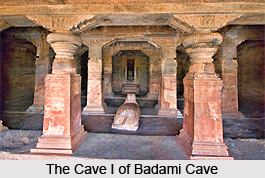
History of Indian temples can perhaps never be stated to have begun in an exact precise age or date, when some specific saint or king had ordered for a temple to be erected. The earliest instances of temples are the rock cut and cave temples. Ancient era had remained a continuous witness, when religious practices flourished; most temples had become the world`s storehouse of knowledge and culture. Ancient temples are presently regarded as sacred buildings of ultimate grace and eternal happiness. Temples dating from medieval period possessed an assortment of architectural styles. The temples and religious monuments built then symbolised the ruler and his richness and devotion. The seeds of experimentation in religious architecture were in fact sown in the medieval temples. Some of the historical and legendary temples, serving as cynosure of all attention include Sun Temple at Konark, Khajuraho Temples, Ajanta Caves, Brihadeeswarar Temple and Sanchi Stupas.
 Structure of Indian Temples
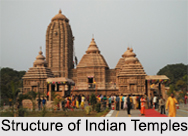
The fundamental structure of Indian temples consist of a square cell, oriented to the four cardinal directions, containing a platform with an image of the deity in the centre, a flat roof overhead and a doorway on the eastern side. In front of the doorway there exists a platform, shaded by a roof defended by pillars, where worshippers gather before and after visiting the Almighty.
Architecture of Indian Temples
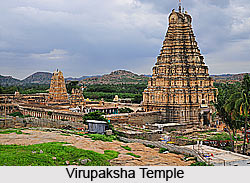
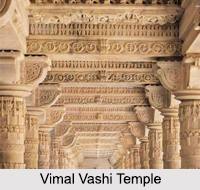
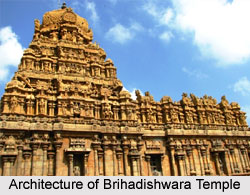
Architecture found in ancient Indian temples, exhibits India`s old, rich and splendid culture. The prime focus of temple architecture in Vedic period was to adjoin the temple with its natural environs. A major consequence of this style of temple design was the construction of umpteen cave temples across the country. Most of the early Hindu cave temples were carved out of a single large rock. Ancient Indian temple architecture display detailed carving and sculptures, bearing testimony to the craftsmanship and creativity of the artisans, sculptors and artists of ancient India. The Gopuram is a distinctive temple tower which is an integral part of all Dravidian-style temples and also used in gateways and entrances to temple compounds.
Indian Regional Temple
The style of temple architecture in India varies from region to region and religion to religion. The architecture of Indian Temples is broadly divided into northern and southern styles, classified by the form and shape of the Shikhara and the distinctiveness of its decoration.
Indian regional temple is that essential category under Indian temples genre, which successfully comprehends the four corners, at the same time being distinctly dissimilar from each other in architecture and outlook. Indian temples in different regions are as follows:
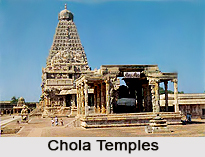
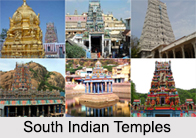 South Indian Temples: South Indian Temples are extravagantly planned and aesthetically designed, emoting dominancy in their architectural grandeur. The Shikhara from the South Indian temples tend to be constructed of distinct horizontal levels that diminish to form a rough pyramid. Each level is further decorated with miniature temple rooftops.
North Indian Temples: North India is the destination of thousands of temples. The temples of North India are made up in the typical Nagara style, also serving as the abode of most heavenly spirits and holy figures.
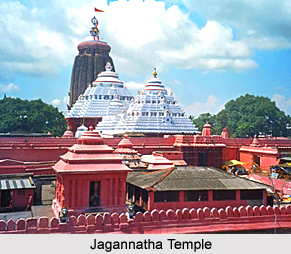
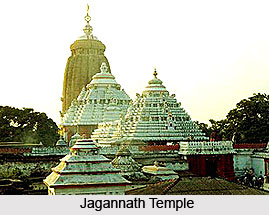
East Indian Temples: Temples from East India enhances the soul with serenity and calmness. Puri and Konark are one of the most important pilgrimage centres for Hindus. Puri is also famous for Lord Jagannath temple, dedicated to Lord Vishnu.
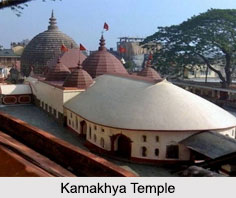
North-East Indian Temples: The ancient temples from North-eastern India with interesting carvings and exhilarating features absolutely mesmerise visitors in a profound manner. There exist ruins from the oldest and finest piece of architectural work in Assam. Sculptural features are also excellent in this region.
Central Indian Temples: Temples from Central India are all exquisitely carved and embellished with breathtaking designs; they serve as true symbols of ancient Indian cultural ethos. The temples from this region exhibit a tremendous art, famous all over the world.
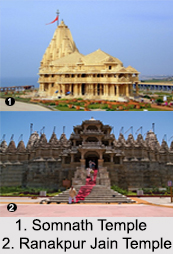
West Indian Temples: Temples from West India are home to several pilgrimage centers with Nagara style temples in their fully developed form.
 Indian Temples by Religion
An Indian temple being the exponents of religion almost counts up to the congregated faiths of Hinduism, Buddhism, Jainism, Sikhism, Islamic and Christianity. Going by religious beliefs and customs, each possess his/ her own pretty way in which a prayer or wish can be made successful.
Styles of Worship in Indian Temples
Styles of worship in Indian temples always have differed since historical times, with a Hindu differing in prayer from a Buddhist. For example, it is known that Hindus visit the temple by keeping their shoes outside the sanctorum, as a sign of respect; on the other hand, a Sikh is known to visit the Gurudwara with his head covered by a piece of clean cloth, also as a sign of respect. Then again, Buddhists possess the habit of lighting incenses in honour of Gautama Buddha, whereas, Jains pray not only to Mahavira, but also to the several Tirthankaras present.
Indian Temple Managements
The grandeur and magnificence of Indian temples can almost be unending, with each minute detail being looked up by the ubiquitous temple organisations and managements. Irrespective of the temple being a humble one, or a legendary and magnum one, Indian temple managements have efficiently looked into every sphere from time after time. With footfall varying from a few hundreds to lakhs in any given day, temple architectures and surroundings always need attention and care, wholly provided by the management and society. Beginning from a refreshing clean environ, to administering and controlling anti-religious activities and moving up to checking the fiscal matters of everyday puja work and ending special festival operations, temple managements virtually work all day and night. Some of the worth-mentioning are ISKCON, Ramakrishna Math and Ramakrishna Mission, Badrinath-Kedarnath Temple Committee, Siddhivinayak Temple Committee and Konark Temple Committee.